
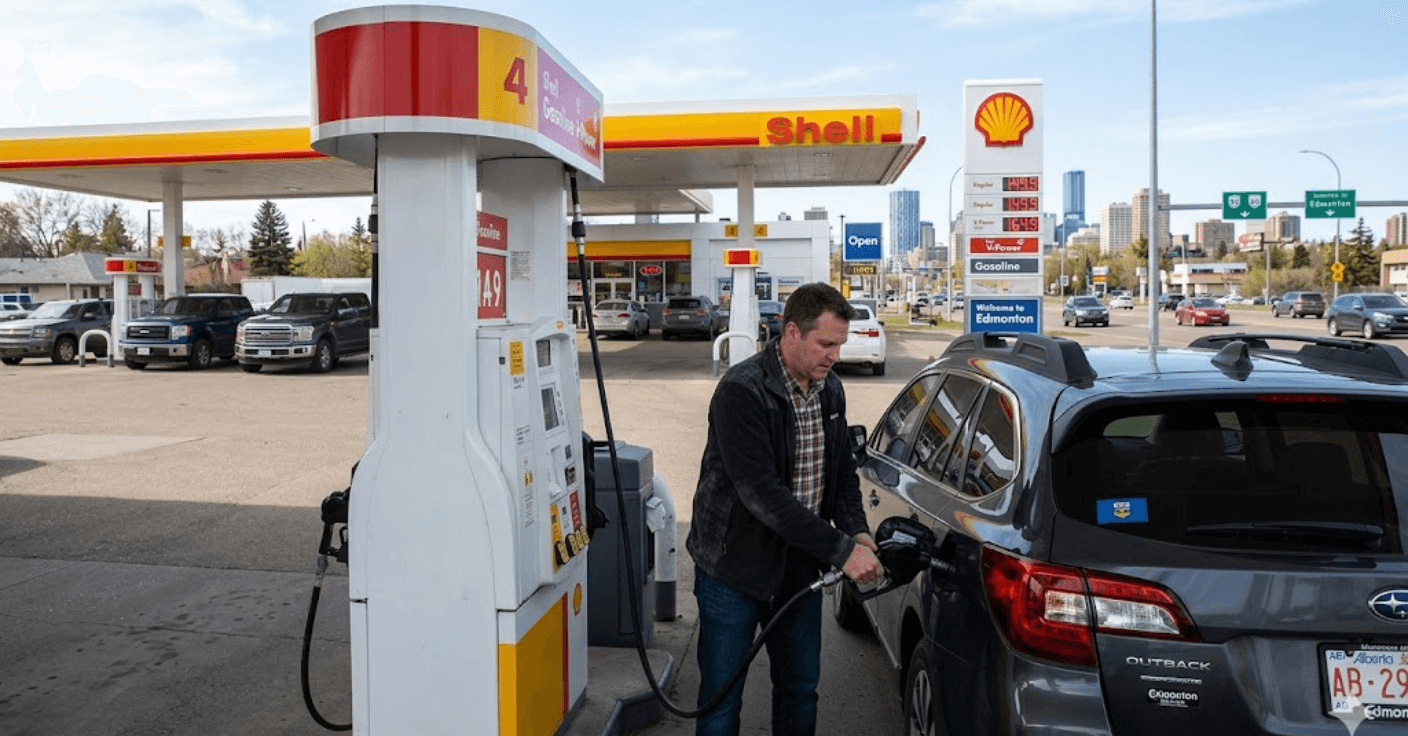
Fuel tax suspension updates in Edmonton, Alberta
Latest on provincial fuel tax and fuel tax edmonton
Alberta's provincial fuel tax remains a focal point of discussion as oil prices continue to fluctuate. Despite mounting pressure from various sectors, the provincial government has opted to maintain the current fuel tax structure, at least until July.
The province's fuel tax relief program is designed to adjust the tax rate based on the average price of West Texas Intermediate (WTI) oil. When WTI prices average $90 USD or higher over a specified period, the 13-cent per litre fuel tax is suspended. However, the calculation period for the upcoming quarter concluded on March 16, with the average price falling below the $90 threshold. Consequently, the full fuel tax remains in effect until at least July 1.
Finance Minister Nate Horner emphasized the volatility of oil prices and the importance of adhering to the established formula. He stated that while the government acknowledges the burden on consumers, the current system provides a balanced approach to managing provincial revenues and expenditures.
This decision has sparked reactions from various stakeholders. The Canadian Federation of Independent Business (CFIB) has urged the government to reconsider, highlighting the sustained high fuel costs that small businesses are facing. Keyli Loeppky, Director of Alberta and Interprovincial Affairs at CFIB, noted that businesses are treating elevated fuel prices as the new reality, and immediate relief is necessary to alleviate financial pressures.
Similarly, the Canadian Taxpayers Federation (CTF) has called for an immediate suspension of the fuel tax. CTF Alberta Director Kris Sims pointed out that with oil prices nearing $100 USD per barrel, the current tax structure places an undue burden on commuters and businesses alike.
In contrast, the federal government has announced a temporary suspension of its fuel tax to provide relief amid rising prices. This move has led to comparisons and increased pressure on the provincial government to follow suit.
Edmonton residents are particularly affected by these developments. The city council recently approved a 6.9% property tax increase for 2026, adding to the financial strain on households. The combination of higher property taxes and sustained fuel taxes has raised concerns about the overall cost of living in the city.
Local businesses, especially those reliant on transportation and delivery services, are feeling the pinch. Increased fuel costs translate to higher operational expenses, which can lead to increased prices for consumers. This ripple effect underscores the interconnectedness of fuel prices and the broader economy.
As the situation evolves, all eyes are on the provincial government to see if adjustments will be made to the fuel tax policy in response to ongoing economic pressures and public sentiment.
For a more in-depth look at the provincial stance on fuel taxes amid rising oil prices, you can watch the following video:
|
Sep 13, 2026
Carbon Capture Storage Hub Services in Edmonton, Alberta | CCS Hub Canada
Explore Alberta's expanding carbon capture storage hub network, from Edmonton's Wabamun project to the Origins CCS hub — Canada's largest CCS facility.

Sep 10, 2026
Meta AI Data Centre Coming to Edmonton Alberta | Sturgeon County Project
Meta AI data centre in Sturgeon County is reshaping Edmonton Alberta's economy with 3,000+ jobs and a $13B investment in Canada's AI future.

Sep 7, 2026
Shop Local in Edmonton: Supporting Local Businesses for a Thriving Community
Discover how Edmonton's shop local movement boosts local business support and small business growth for a resilient community.

Sep 2, 2026
International School Trips in Edmonton: EPSB Cancels Overseas Travel
Edmonton public schools announce school trip cancellations for international school trips, impacting students and teachers across the district.
0 Comments
Join the conversation
Be the first to comment
Share your thoughts above.