

Permanent Daylight Saving Time in Edmonton Alberta
What to expect from daylight saving time Alberta and the Alberta time change
Alberta is set to embrace permanent daylight saving time starting November 1, 2026, marking a significant shift in the province's approach to timekeeping.
On May 14, 2026, the provincial government granted Royal Assent to legislation that will keep Alberta on UTC-6 year-round, effectively eliminating the biannual clock changes that have been a staple since the 1970s.
This decision aligns Alberta with neighboring Saskatchewan, which has long maintained a consistent time zone, and follows British Columbia's recent move to permanent daylight saving time.
The transition to a fixed time system is expected to have wide-ranging implications for residents and businesses alike.
For many, the end of clock changes is a welcome relief.
Farmers, in particular, have expressed support, noting that livestock and agricultural activities are more attuned to natural light patterns than to human-imposed time shifts.
By staying on daylight saving time year-round, they anticipate more consistent routines and reduced disruptions.
However, not all sectors view the change favorably.
Health professionals have raised concerns about the potential impact on sleep patterns and overall well-being.
Studies have shown that permanent daylight saving time can lead to darker mornings in the winter months, which may affect mood and productivity.
In urban centers like Edmonton, the shift is expected to influence various aspects of daily life.
Commuters may experience darker conditions during morning travel in the winter, while enjoying extended daylight in the evenings.
Businesses, particularly those in the retail and hospitality sectors, are optimistic that longer evening daylight could boost consumer activity and sales.
The real estate market in Edmonton has been experiencing fluctuations.
In the first quarter of 2026, the aggregate home price decreased by 1.4% year over year to $472,300, though there was a 1.2% increase on a quarterly basis.
The median price of a single-family detached home decreased by 0.9% to $521,800, while condominiums saw a 1.9% decrease to $205,600.
Despite these declines, forecasts suggest a 2.0% increase in the aggregate price of homes in Edmonton by the fourth quarter of 2026.
Some experts believe that the move to permanent daylight saving time could positively influence the real estate market.
Longer daylight hours in the evenings may encourage more home viewings and community engagement, potentially making neighborhoods more attractive to prospective buyers.
However, others caution that the impact may be minimal, as factors like interest rates and economic conditions play more substantial roles in market dynamics.
Education is another area where the time change will have an impact.
Schools may need to adjust schedules to accommodate darker mornings, ensuring student safety during commutes.
Parents and educators are encouraged to stay informed about any changes to school start times and transportation arrangements.
Public opinion on the shift to permanent daylight saving time is mixed.
While some residents appreciate the consistency and potential benefits, others are concerned about the adjustment period and the long-term effects on daily routines.
Community forums and discussions have been organized to address these concerns and provide a platform for residents to voice their opinions.
As Alberta prepares for this significant change, it's essential for individuals and businesses to plan accordingly.
Staying informed through official channels and participating in community discussions can help ensure a smooth transition to permanent daylight saving time.
In summary, Alberta's decision to adopt permanent daylight saving time reflects a broader trend toward eliminating seasonal time changes.
While the move offers potential benefits such as consistent schedules and extended evening daylight, it also presents challenges that will require careful consideration and adaptation by all sectors of society. |
Oct 19, 2026
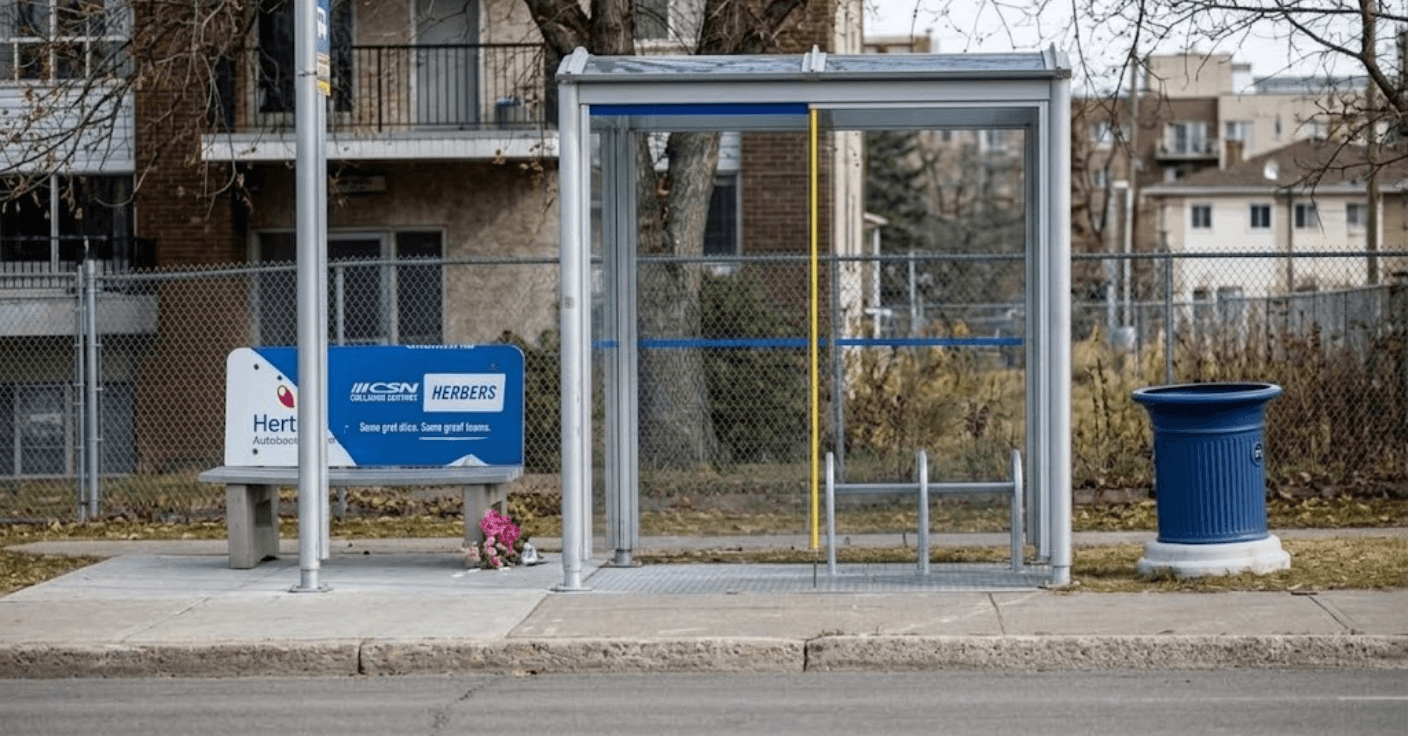
Fatal Motorcycle Crash in Edmonton Sparks Push for Traffic Safety
A fatal motorcycle crash in Edmonton reignites calls for traffic safety measures as excessive speeding claims a life and injures a baby at a bus shelter.

Oct 15, 2026
Deep Tech Foundry for Startups in Edmonton, Alberta
Edmonton's new deep tech foundry startup program helps science founders advance research commercialization into scalable companies.
Oct 12, 2026
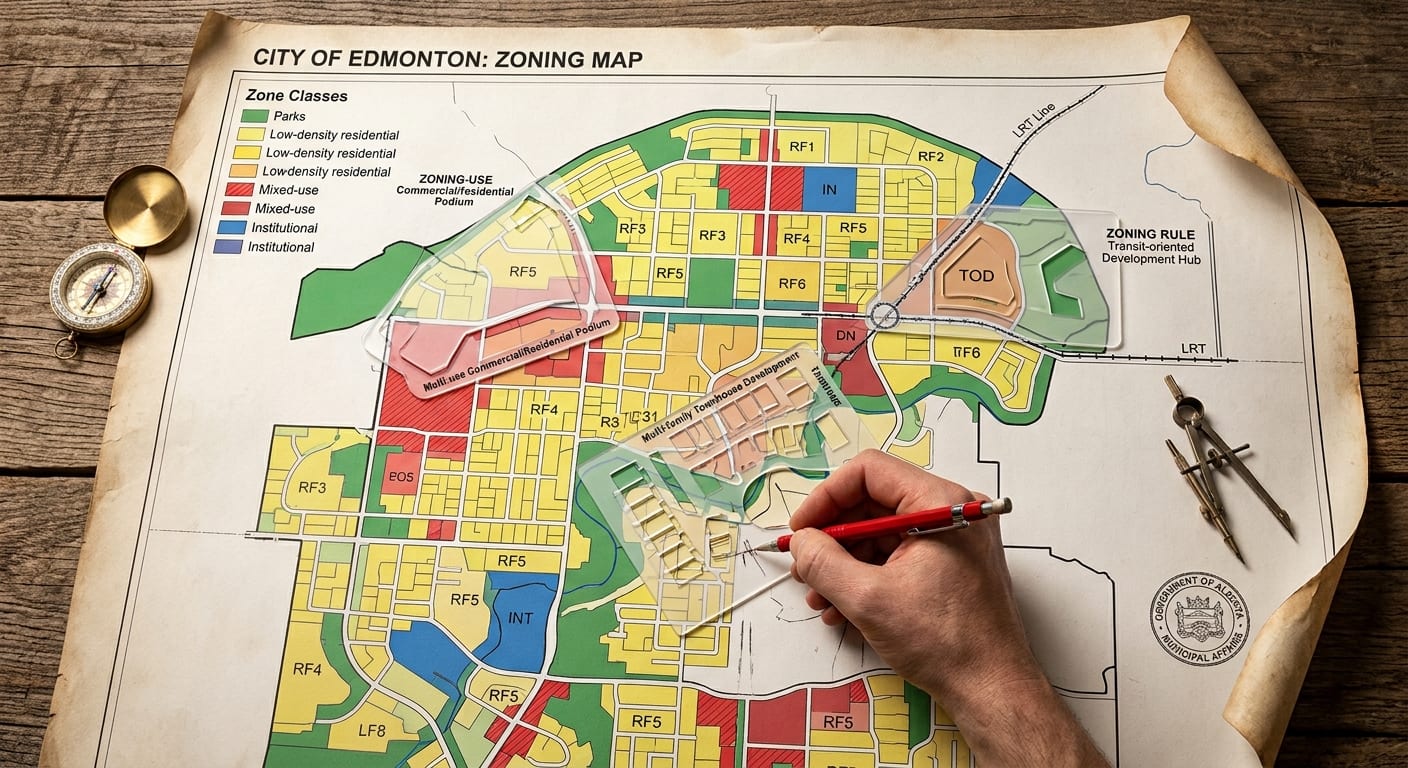
Alberta Zoning Rules Shaping Edmonton's Future: Parking and Density at a Crossroads
Alberta's Edmonton zoning bylaw rollback reinstates minimum parking requirements, raising urgent questions about housing affordability and city planning.

Oct 8, 2026
Electricity Franchise Fee Increase Coming to Edmonton — What It Means for Your Power Bill
Edmonton council voted 8-5 to raise the electricity franchise fee from 17.65% to 19.4%. Here's what the EPCOR franchise fee hike means for your power bill.
3 Comments
Join the conversation
I hate the idea of not putting the clock back in November. My body really appreciates the extra hour of sleep and since I'm up at 5 am for work at 630, I will find this a huge adjustment. Last year I got really bad SAD for the first time in years. I guess we'll all just have to be kind to ourselves in our adjustments and routines. The nice thing about it is that the lights in the house won't need to on all the time if it'll be lighted out. Power bill savings.
WR**won't need to be on all the time.
WRI should really proof read before hitting send - **if it'll be light out.