
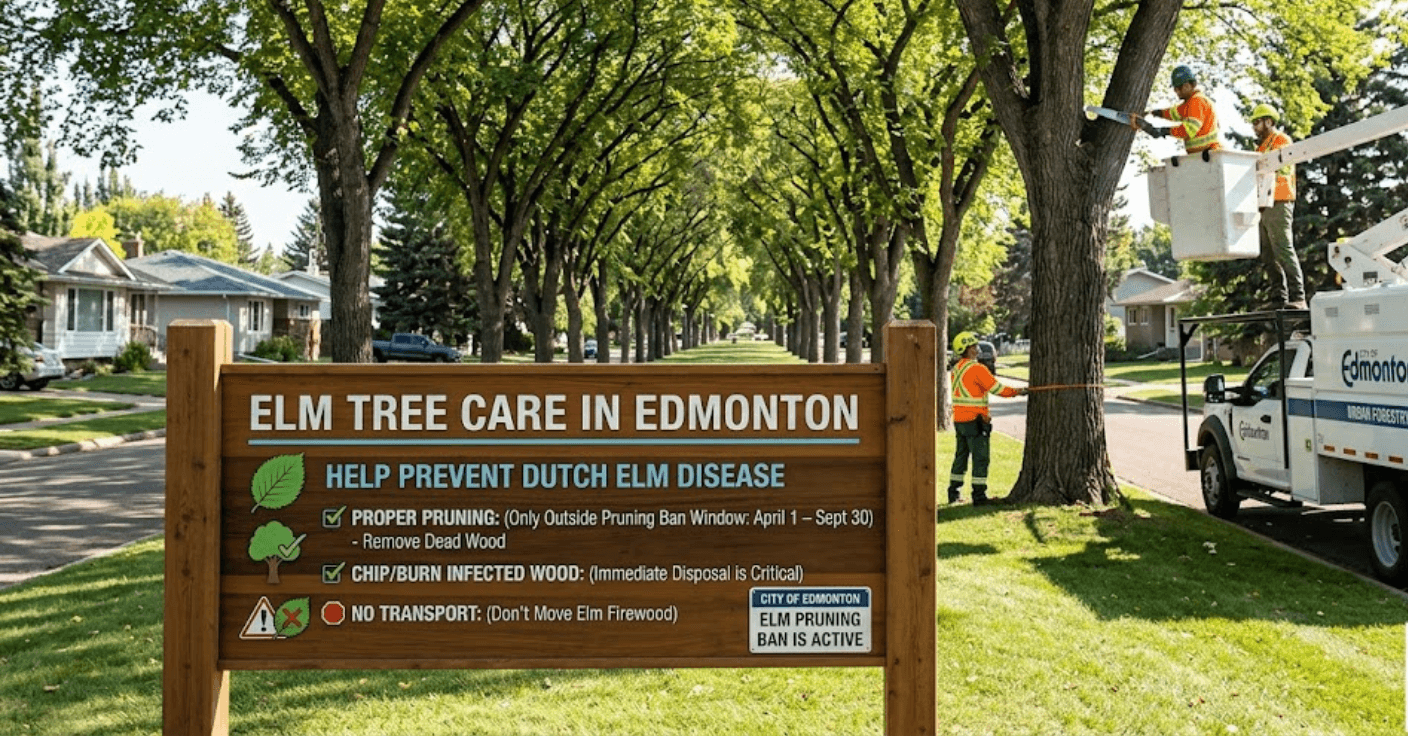
Elm pruning season guidance for Edmonton, Alberta
Information on the elm pruning ban and how it relates to Dutch elm disease
Edmonton's annual elm pruning ban is set to commence on April 1, extending through September 30.
This proactive measure is designed to curb the spread of Dutch elm disease (DED), a lethal fungal infection that poses a significant threat to the city's approximately 90,000 elm trees.
By restricting pruning activities during this period, the city aims to minimize the attraction of elm bark beetles, the primary vectors of the disease, to fresh tree wounds.
These beetles are most active during the warmer months, making the ban a critical component of Edmonton's DED prevention strategy.
In August 2024, Edmonton confirmed its first case of DED in the Killarney neighborhood.
Since then, the city has identified additional cases, including one in the Alberta Avenue area as recently as July 2025.
These incidents underscore the importance of adhering to the pruning ban and other preventive measures to protect the urban canopy.
According to Edmonton's Community Standards Bylaw 14600, it is illegal to prune elm trees between April 1 and September 30.
Violations can result in fines ranging from $250 to $10,000, depending on the circumstances.
Residents are encouraged to prune their elm trees during the permitted period from October 1 to March 31, ensuring that dead, damaged, or diseased branches are removed to maintain tree health and reduce beetle habitat.
Proper disposal of elm wood is crucial in preventing the spread of DED.
All elm wood, including branches, logs, and firewood, must be disposed of immediately by burning or taking it to the Edmonton Waste Management Centre at 250 Aurum Road.
When arriving at the facility, inform the scale operator that you have elm wood so it can be handled appropriately.
Disposal fees are waived for residents.
Do not combine elm wood with other waste or take it to an Eco Station.
Storing, transporting, or selling elm wood is prohibited at any time of the year unless the wood has been treated by removing all bark or by kiln drying to a moisture content of 18% or less.
Improper disposal can provide breeding grounds for elm bark beetles, facilitating the spread of DED.
Residents should be vigilant for signs of DED, which include wilting, yellowing, or browning leaves, often starting from the top of the tree or from individual branches.
Other indicators are smaller leaves than usual, branches with no leaves, and brown staining under the bark.
If you suspect a tree is infected, report it immediately by calling 311 or using the city's online reporting system.
Early detection and prompt action are vital in controlling the spread of the disease.
To further protect Edmonton's elm trees, avoid transporting firewood from other regions, as this is a common method for introducing DED and other pests.
When camping or traveling, purchase firewood locally and leave any unused wood behind.
By adhering to the elm pruning ban and following these guidelines, residents play a crucial role in preserving Edmonton's urban forest and combating the spread of Dutch elm disease.
For more information on DED prevention and control measures, visit the City of Edmonton's official website or contact the Pest Management department.
Remember, proactive steps today can ensure the health and longevity of our city's cherished elm trees for generations to come. |
Sep 13, 2026
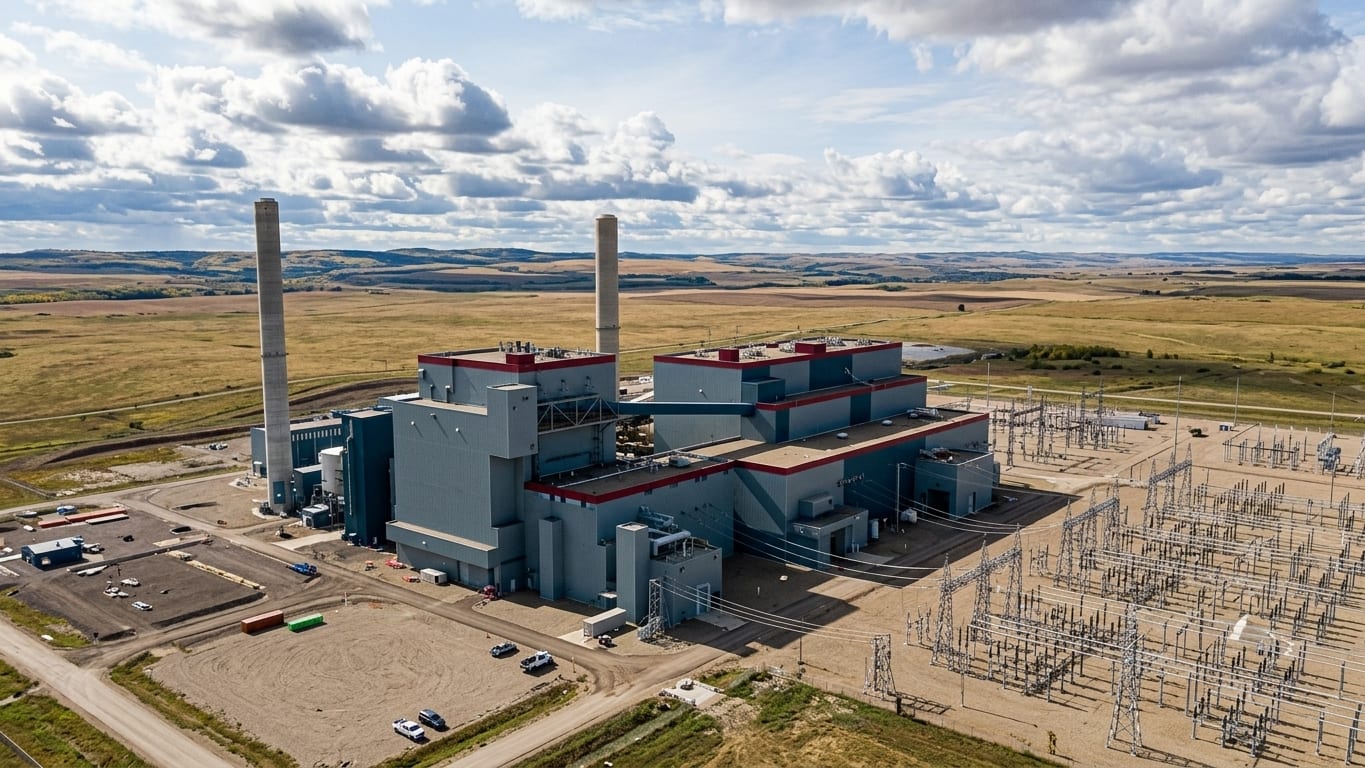
Carbon Capture Storage Hub Services in Edmonton, Alberta | CCS Hub Canada
Explore Alberta's expanding carbon capture storage hub network, from Edmonton's Wabamun project to the Origins CCS hub — Canada's largest CCS facility.

Sep 10, 2026
Meta AI Data Centre Coming to Edmonton Alberta | Sturgeon County Project
Meta AI data centre in Sturgeon County is reshaping Edmonton Alberta's economy with 3,000+ jobs and a $13B investment in Canada's AI future.

Sep 7, 2026
Shop Local in Edmonton: Supporting Local Businesses for a Thriving Community
Discover how Edmonton's shop local movement boosts local business support and small business growth for a resilient community.

Sep 2, 2026
International School Trips in Edmonton: EPSB Cancels Overseas Travel
Edmonton public schools announce school trip cancellations for international school trips, impacting students and teachers across the district.
0 Comments
Join the conversation
Be the first to comment
Share your thoughts above.