
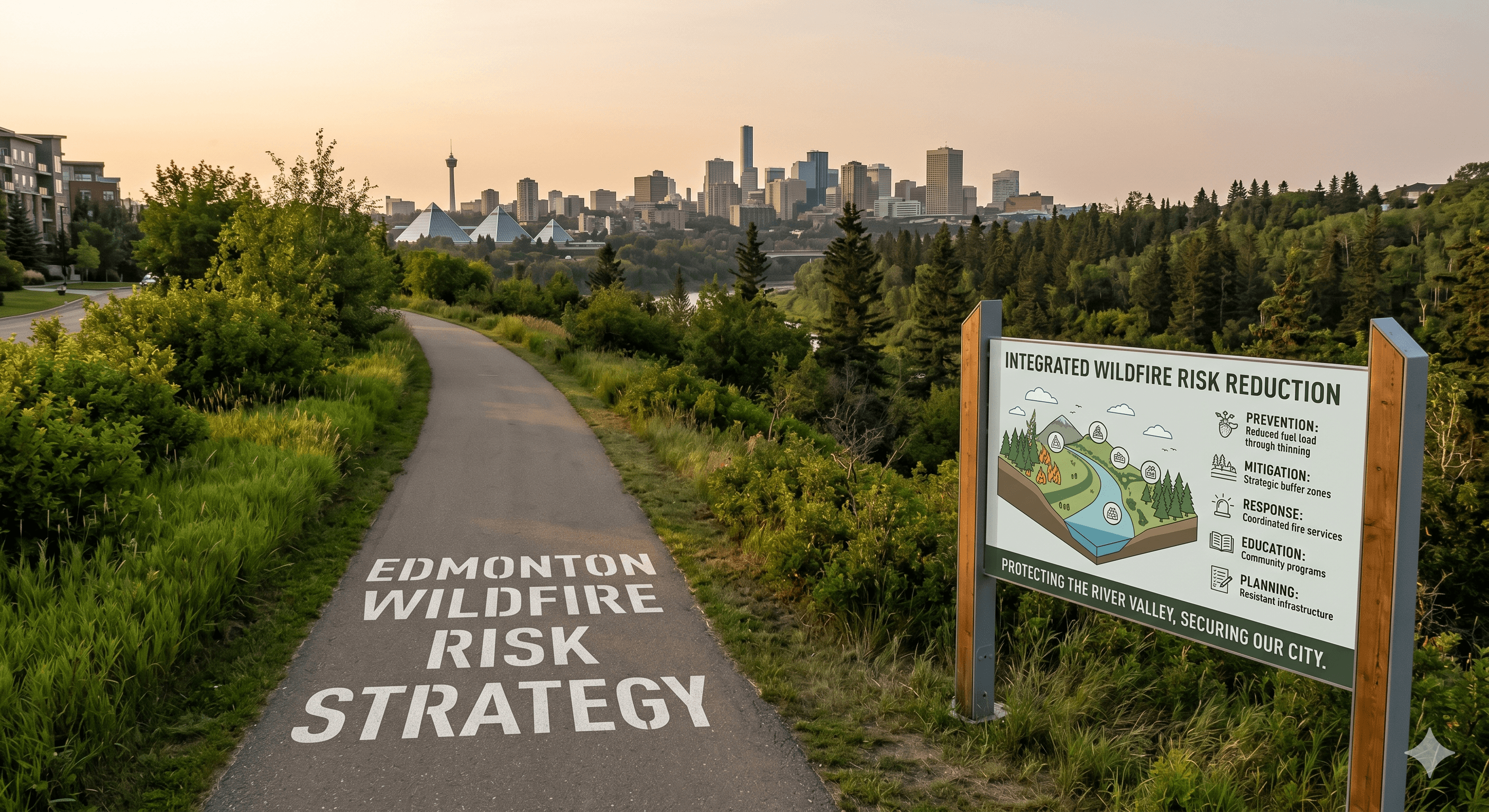
Wildfire risk strategies for Edmonton, Alberta
Addressing wildfire strategy and vegetation management for local safety
Edmonton has unveiled its comprehensive Wildland-Urban Interface (WUI) Wildfire Risk Strategy, a proactive initiative aimed at mitigating the escalating threat of wildfires as the province enters a high-risk fire season.
This strategy is a response to the increasing frequency and intensity of wildfires, exacerbated by climate change and urban expansion. It focuses on areas where urban development meets natural vegetation, commonly referred to as the wildland-urban interface.
The WUI Wildfire Risk Strategy is structured around four key pillars: Reduce, Educate, Respond, and Coordinate. These pillars encompass a range of actions, including minimizing potential ignition sources, enhancing community awareness, improving preparedness efforts, and fostering collaboration with external partners and neighboring jurisdictions.
A significant component of the strategy is vegetation management. By controlling the growth and density of vegetation in and around the city, the risk of wildfires spreading into urban areas can be significantly reduced. This involves regular maintenance of green spaces, removal of dead or dry plant material, and the strategic planting of fire-resistant vegetation.
The strategy also emphasizes the importance of updated development regulations. New guidelines are being introduced to ensure that future urban development incorporates fire-resistant materials and designs, creating defensible spaces that can help prevent the spread of wildfires.
Public engagement has been a cornerstone in the development of this strategy. The city conducted two phases of public consultation to gather feedback and insights from residents. The first phase, completed in the summer of 2025, focused on understanding public perception of wildfire risk and preparedness. The second phase, held in December 2025, sought feedback on the draft strategy itself. The full "What We Heard and Did" report is expected to be published in the spring of 2026.
The timing of this strategy's release is particularly pertinent. Alberta's wildfire season officially began on March 1, 2026, and provincial crews have already responded to 27 fires since then. The province has also launched the Alberta Wildfire Mitigation Strategy, a long-term plan focused on reducing wildfire risk before fires start.
Edmonton's WUI Wildfire Risk Strategy aligns with the city's broader climate resilience initiatives. The Climate Resilience Planning and Development Action Plan aims to incorporate energy transition and climate adaptation actions into every stage of planning and development processes as the city continues to grow.
Residents are encouraged to take an active role in protecting the city from the threat of wildfires. The city provides resources on wildfire prevention and education, including guidelines on safe smoking practices outdoors, adherence to fire bans and restrictions, and participation in FireSmart programs.
As Edmonton continues to grow and evolve, the implementation of the WUI Wildfire Risk Strategy represents a significant step towards safeguarding the city and its residents from the increasing threat of wildfires. |
Sep 13, 2026
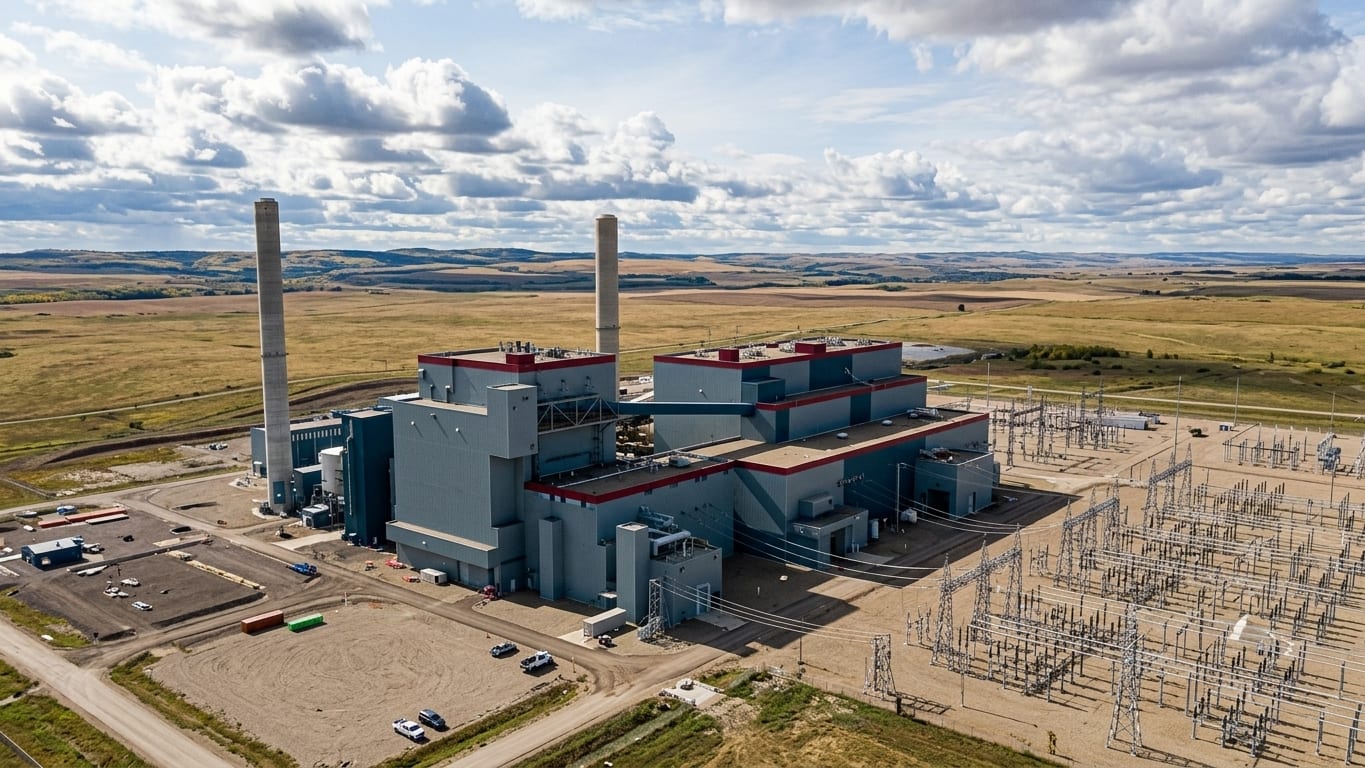
Carbon Capture Storage Hub Services in Edmonton, Alberta | CCS Hub Canada
Explore Alberta's expanding carbon capture storage hub network, from Edmonton's Wabamun project to the Origins CCS hub — Canada's largest CCS facility.

Sep 10, 2026
Meta AI Data Centre Coming to Edmonton Alberta | Sturgeon County Project
Meta AI data centre in Sturgeon County is reshaping Edmonton Alberta's economy with 3,000+ jobs and a $13B investment in Canada's AI future.

Sep 7, 2026
Shop Local in Edmonton: Supporting Local Businesses for a Thriving Community
Discover how Edmonton's shop local movement boosts local business support and small business growth for a resilient community.

Sep 2, 2026
International School Trips in Edmonton: EPSB Cancels Overseas Travel
Edmonton public schools announce school trip cancellations for international school trips, impacting students and teachers across the district.
0 Comments
Join the conversation
Be the first to comment
Share your thoughts above.