
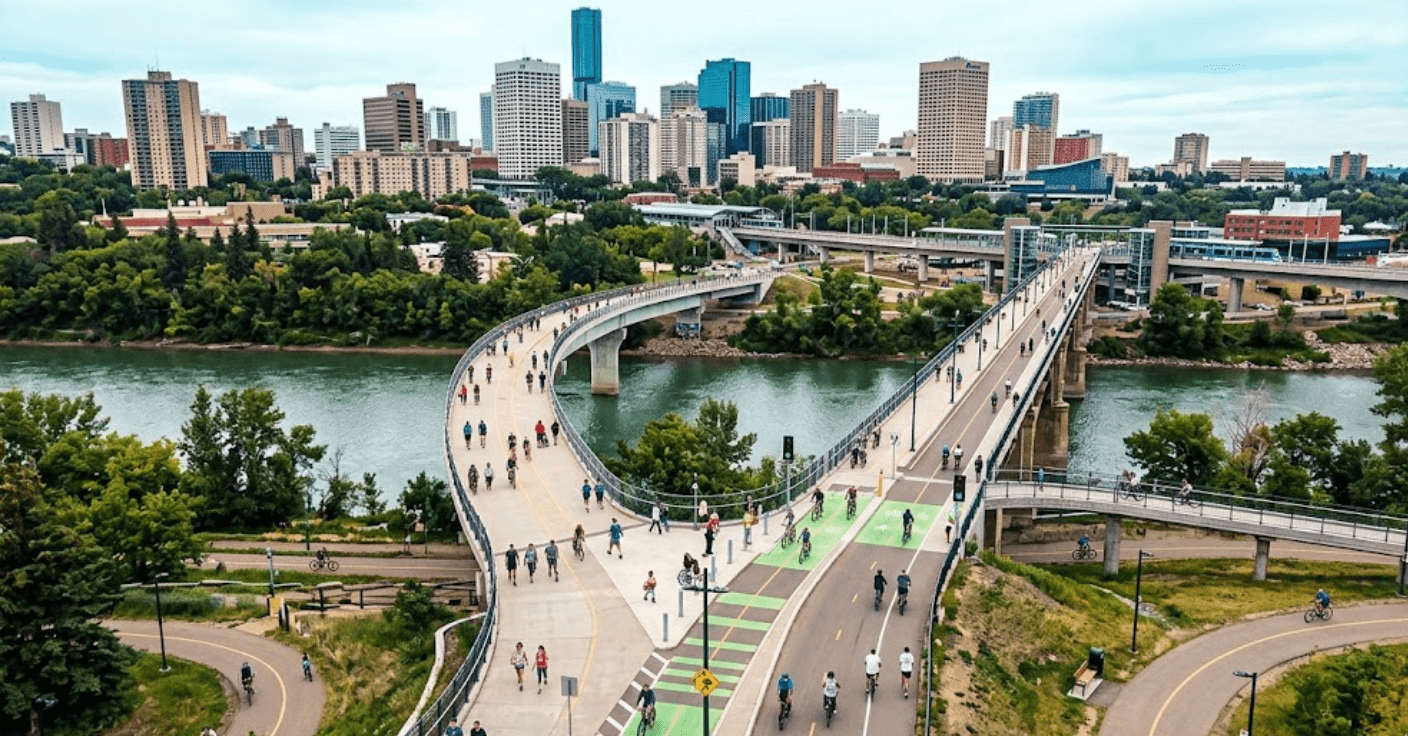
Active transportation network in Edmonton, Alberta
Explore bike network expansion and new shared pathways
Edmonton is embarking on a significant expansion of its active transportation network, aiming to enhance connectivity and promote sustainable mobility across the city.
In December 2022, the city council approved a substantial $100 million investment to accelerate the development of this network, focusing on filling existing gaps and creating new routes that cater to pedestrians, cyclists, and other non-motorized users.
By the end of 2025, approximately 35 kilometers of new active transportation connections have been completed, with an additional 33 kilometers slated for construction in 2026 and beyond.
These developments are part of a multi-year program initiated in spring 2024, with construction activities planned to continue through 2027.
The expansion encompasses various types of infrastructure designed to accommodate diverse user needs.
Among these are shared pathways, which are paved, off-street paths typically 2.5 meters or wider, allowing for activities such as biking, walking, running, and scooting.
These pathways are marked with signs indicating their shared use and are integral to providing safe and direct options for commuting and recreation.
Another key component is the implementation of local street bikeways.
These are streets where cyclists and motorists share the road without separated bike infrastructure.
To enhance safety and comfort, modifications such as traffic calming measures and diversion elements are introduced to reduce vehicle speeds and volumes, making these routes appealing to users of all ages and abilities.
Additionally, the city is introducing protected bike lanes.
These on-street bike lanes are separated from moving and parked vehicles by physical barriers, providing a safer environment for cyclists.
Some of these lanes are designed as protected contraflow bike lanes, allowing cyclists to travel in the opposite direction of vehicular traffic, further enhancing connectivity and route options.
To improve navigation and user experience, the expansion also includes enhanced wayfinding systems.
These systems are designed to help users easily identify and navigate the network, ensuring that the routes are accessible and predictable for everyone.
Specific projects within this expansion highlight the city's commitment to creating a comprehensive and connected network.
For instance, the construction of a protected two-way bike lane on 113 Street from 105 Avenue to 111 Avenue, along with a shared pathway from 111 Avenue to Kingsway, provides a north-south connection linking downtown routes to new pathways along Kingsway.
Similarly, a shared pathway along Kingsway from 113 Street to 122 Street, including a new crossing and traffic signal for active modes near 113 Street, enhances east-west connectivity.
Another notable project is the shared pathway along 111 Avenue from 106 Street to 121 Street, with a local street bikeway section along the north 111 Avenue Service Road between 113 Street and 118 Street.
This route connects existing shared pathways and provides access to new routes planned along 113 Street.
These projects are developed based on technical and safety requirements, city policies, and public engagement data collected during the development of the Bike Plan.
Community involvement has been a cornerstone of this expansion.
Extensive engagement with Edmontonians has informed the design and implementation of the network, ensuring that it reflects the needs and preferences of the community.
For example, the Bike Plan and its Implementation Guide were shaped by input from residents who shared their experiences, ideas, and vision for the future of active transportation in Edmonton.
However, the expansion has not been without challenges.
In some neighborhoods, such as Delton in North Edmonton, residents have expressed concerns over the introduction of bike lanes, citing potential impacts on parking and traffic flow.
These concerns have led to discussions between community members and city officials to address and mitigate potential issues.
Despite these challenges, the city remains committed to its vision of a connected, accessible, and sustainable transportation network.
The expansion aligns with Edmonton's broader goals of promoting active transportation, reducing vehicle trips and traffic congestion, and supporting healthy lifestyles.
By providing safe and direct options for commuting, running errands, and accessing recreational areas, the active transportation network aims to enhance the quality of life for all Edmontonians.
As construction progresses, residents are encouraged to stay informed about ongoing projects and participate in community consultations.
By working together, the city and its residents can ensure that the active transportation network meets the diverse needs of the community and contributes to a healthier, more sustainable Edmonton. |
Sep 13, 2026
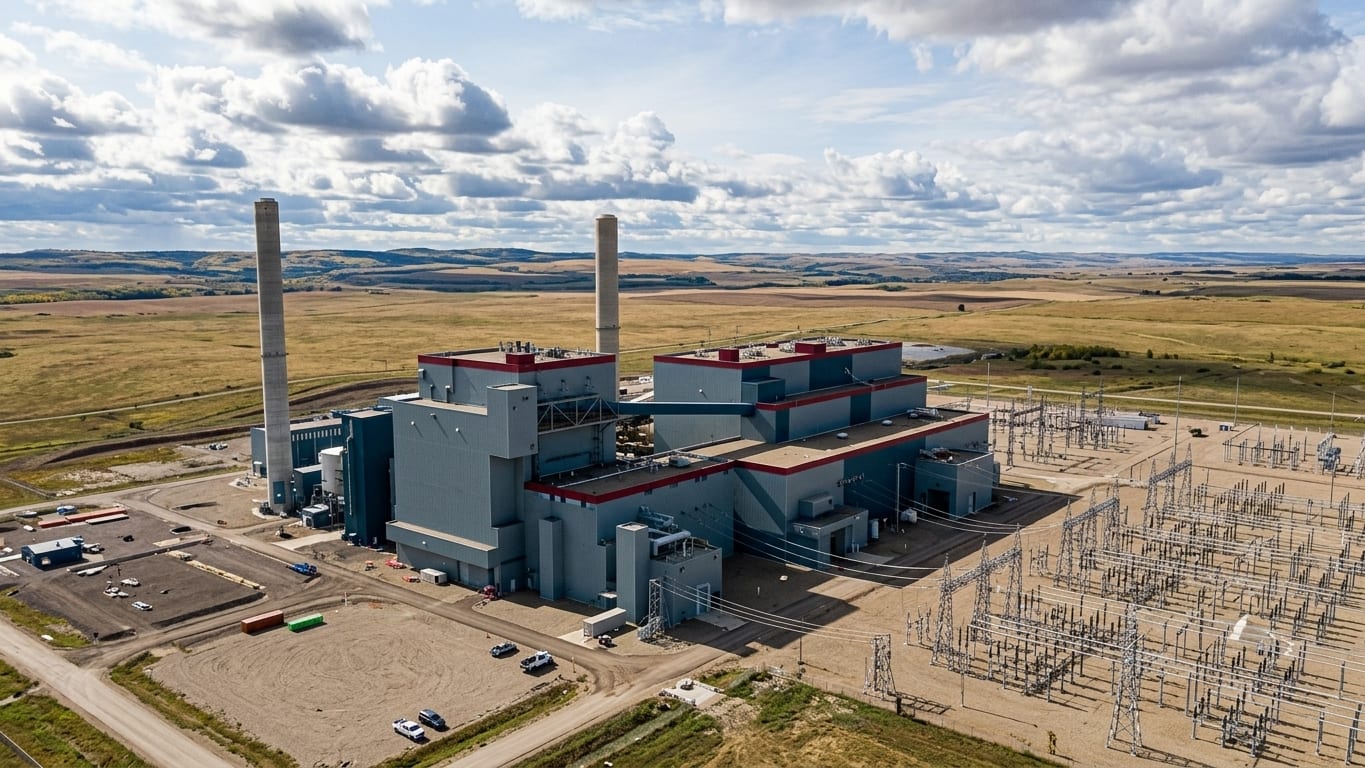
Carbon Capture Storage Hub Services in Edmonton, Alberta | CCS Hub Canada
Explore Alberta's expanding carbon capture storage hub network, from Edmonton's Wabamun project to the Origins CCS hub — Canada's largest CCS facility.

Sep 10, 2026
Meta AI Data Centre Coming to Edmonton Alberta | Sturgeon County Project
Meta AI data centre in Sturgeon County is reshaping Edmonton Alberta's economy with 3,000+ jobs and a $13B investment in Canada's AI future.

Sep 7, 2026
Shop Local in Edmonton: Supporting Local Businesses for a Thriving Community
Discover how Edmonton's shop local movement boosts local business support and small business growth for a resilient community.

Sep 2, 2026
International School Trips in Edmonton: EPSB Cancels Overseas Travel
Edmonton public schools announce school trip cancellations for international school trips, impacting students and teachers across the district.
0 Comments
Join the conversation
Be the first to comment
Share your thoughts above.