
Alberta's Controversial Health Care Bill: Public vs. Private Debate
A deep dive into Alberta's controversial health care bill, which allows private billing for surgeries. Critics fear a two-tier system under the UCP.
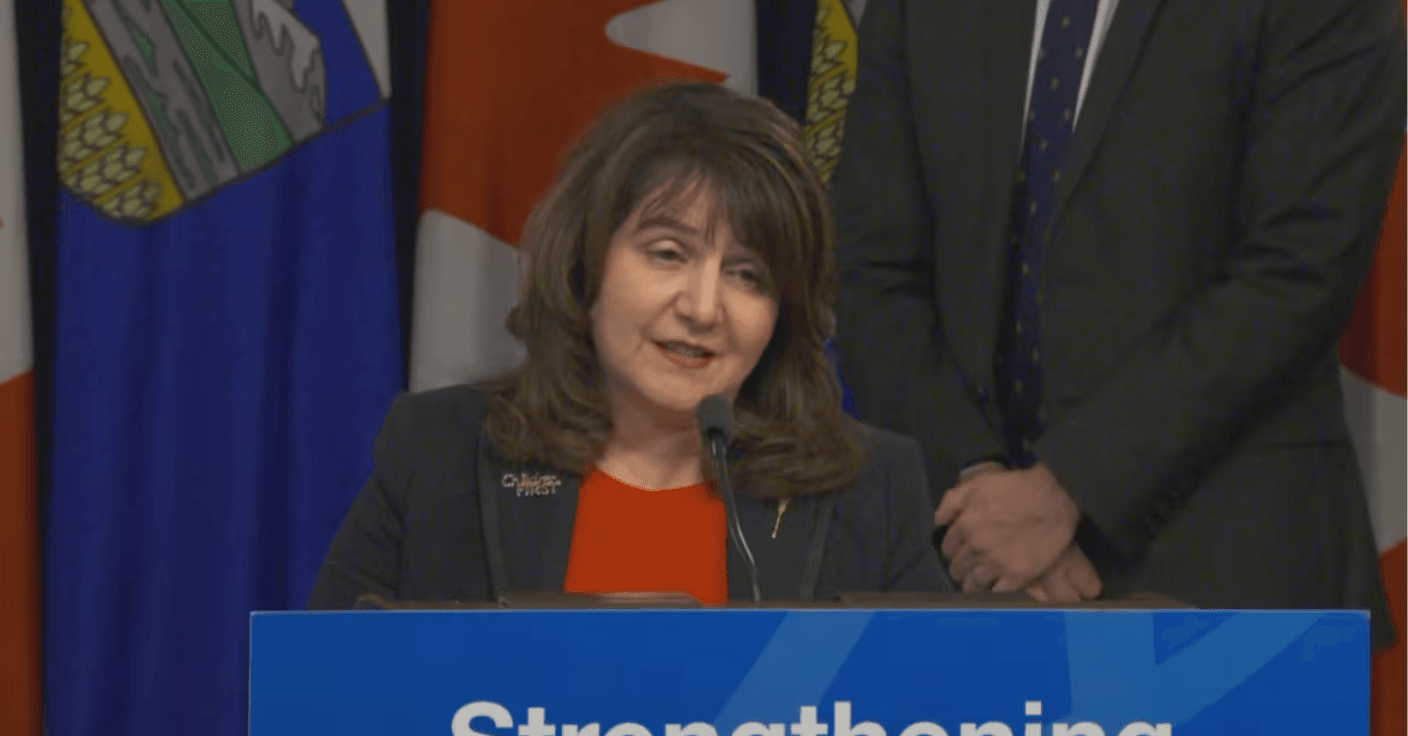
Image source: Cbc.ca |
A political earthquake is rattling the foundations of Alberta’s health care system.
The government of Premier Danielle Smith has introduced a controversial health care bill that carves a new path for medical services in the province, one that critics warn leads directly to a two-tiered system favoring those who can afford to pay.
Officially titled the Health Statutes Amendment Act, the legislation opens the door for surgeons to operate in both the public and private spheres simultaneously.
This marks a fundamental shift in how Albertans could access necessary medical procedures.
The bill would permit physicians to bill taxpayers for work within the public system and also charge patients directly for privately-delivered surgeries like hip, knee, or cataract operations.
It's a move that has ignited a fierce debate across Edmonton, Calgary, and the province's rural communities.
Proponents, led by government officials, frame the bill as a modernizing force designed to offer choice, improve access, and tackle the province's daunting surgical wait times.
Surgical Services Minister Matt Jones argues the new model is about offering flexibility to attract and retain doctors, countering claims that it will drain talent from the public sector.
The government insists that patients will have the option to purchase services they are currently waiting for, which they claim will shorten the public queue for everyone else.
Officials have pointed to other jurisdictions around the world, such as France and Germany, that have similar dual-practice models.
The promise is one of innovation and efficiency, a way to expand capacity without further burdening taxpayers.
However, the opposition has been swift, loud, and unforgiving.
Critics, including the Alberta NDP, Friends of Medicare, and various health care unions, have branded the legislation as a betrayal of the province's commitment to universal health care.
NDP Leader Naheed Nenshi called the bill an attempt to bring "for-profit American-style health care to Alberta."
He argues it will force Albertans to pay out-of-pocket for necessary procedures and will not genuinely increase access to care for the majority of the population.
The fear is that this new system will create a fast lane for the wealthy, while those who rely on the public system will face even longer waits as resources and personnel are siphoned into the more lucrative private stream.
Health policy experts have warned that where parallel private systems exist, both health outcomes and access to care tend to worsen for the general public.
The government has promised to establish "guardrails" to protect the public system, though these crucial details would be set through regulation rather than being enshrined in the bill itself.
These safeguards might include requiring doctors to perform a minimum number of public procedures or restricting certain specialties from private practice if shortages arise.
Yet, this lack of concrete detail in the legislation has done little to soothe anxieties.
The Alberta Medical Association, which represents the province's doctors, has expressed caution, noting it was not consulted on the bill before its release.
Its president stated that the success or failure of the model hinges on these yet-to-be-defined regulatory details and warned that most places that have attempted such systems have run into significant problems.
This controversial health care bill arrives at a time of significant political tension in Alberta.
Premier Smith’s UCP government is already facing recall petitions against several of its members, reflecting a volatile public mood.
This legislation is seen by many as another ideologically driven move that was not part of the government's election platform, further fueling claims that it lacks a public mandate for such a radical transformation.
Critics also point to the government's recent troubled history with privatization, such as the failed attempt to contract out community lab services, as a cautionary tale.
That initiative led to long wait times and delays before the province was forced to bring the services back under public control at a significant cost to taxpayers.
For now, the government says family doctors will not be eligible to participate in the dual-practice model, and that emergency surgeries and cancer treatments will remain exclusively within the public system.
But for thousands of Albertans languishing on wait lists for orthopedic and other elective surgeries, this bill presents a profound and deeply personal question.
Is this the innovative solution that will finally bring relief, as the government claims?
Or is it the beginning of the end for a health care system built on the principle that access to care should depend on need, not the ability to pay?
As the bill makes its way through the legislature, the debate over the soul of Alberta's health care has never been more urgent.
Our reader's Questions answered
What is the new controversial health care bill in Alberta?
The bill, known as the Health Statutes Amendment Act, would allow surgeons in Alberta to work in both the public health system and a private system, enabling them to charge patients directly for certain insured procedures like hip and knee surgeries.
How will this new bill affect surgical wait times in Edmonton and Calgary?
The government argues that by allowing those who can pay to access private surgery, it will free up spots and reduce wait times in the public system for everyone. Critics contend it will drain doctors and resources from the public system, potentially increasing wait times for those who cannot afford to pay privately.
What are the main arguments against allowing doctors to work in both public and private systems?
The primary argument is that it creates a two-tier health care system. Opponents fear it will lead to longer public wait times, incentivize doctors to prioritize more profitable private patients, and undermine the core principle of universal access to care based on medical need rather than wealth. |


Sep 13, 2026
Carbon Capture Storage Hub Services in Edmonton, Alberta | CCS Hub Canada
Explore Alberta's expanding carbon capture storage hub network, from Edmonton's Wabamun project to the Origins CCS hub — Canada's largest CCS facility.

Sep 10, 2026
Meta AI Data Centre Coming to Edmonton Alberta | Sturgeon County Project
Meta AI data centre in Sturgeon County is reshaping Edmonton Alberta's economy with 3,000+ jobs and a $13B investment in Canada's AI future.

Sep 7, 2026
Shop Local in Edmonton: Supporting Local Businesses for a Thriving Community
Discover how Edmonton's shop local movement boosts local business support and small business growth for a resilient community.

Sep 2, 2026
International School Trips in Edmonton: EPSB Cancels Overseas Travel
Edmonton public schools announce school trip cancellations for international school trips, impacting students and teachers across the district.
0 Comments
Join the conversation
Be the first to comment
Share your thoughts above.