
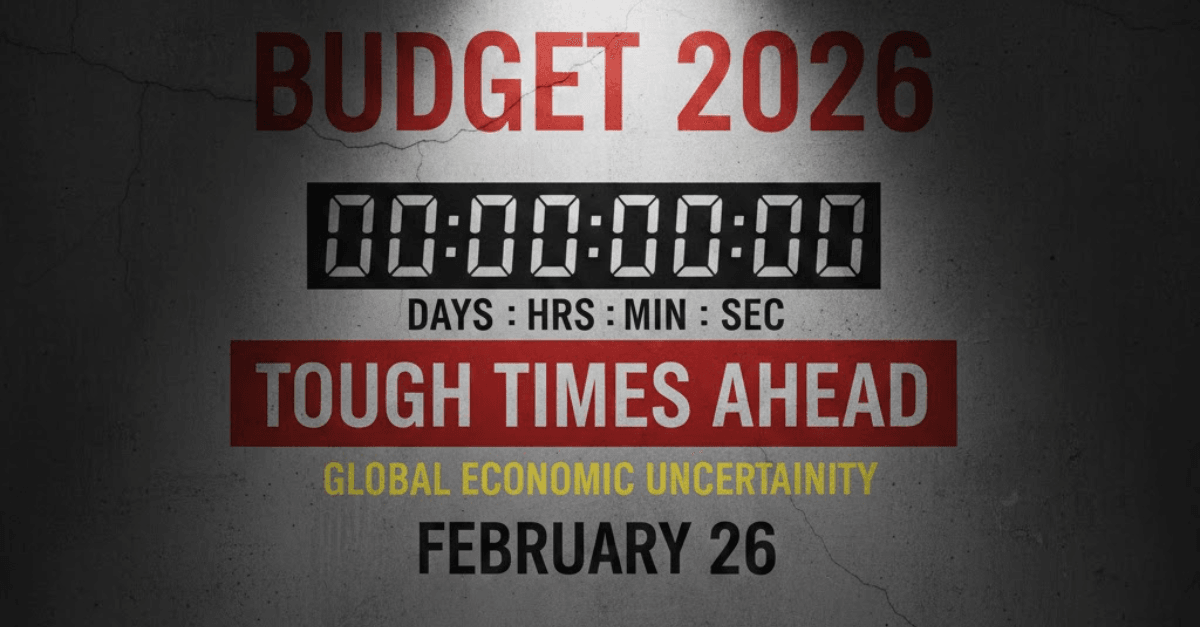
Edmonton's 2026 Budget: Addressing Economic Challenges and Community Investments
Edmonton's 2026 budget includes a 6.9% property tax increase to support essential services and infrastructure amidst economic challenges.
Edmonton's City Council has finalized the 2026 budget, approving a 6.9% property tax increase to address the city's financial challenges and support essential services.
This decision reflects the city's commitment to maintaining and enhancing services amidst rising inflation and rapid population growth.
For homeowners, this means an additional $816 in property taxes for every $100,000 of assessed value, translating to an increase of $53 compared to the previous year.
The 2026 operating budget is set at $3.5 billion, marking a significant increase from previous years.
This budget aims to deliver 70 essential services, including public transit, emergency services, and infrastructure maintenance.
Key allocations include:
Affordable Housing and Homelessness Prevention: An investment of $18.7 million to address housing challenges and support vulnerable populations.
Transit Services: An additional $16.8 million to enhance public transportation, including the expansion of the On Demand Transit service.
Snow and Ice Control: A commitment of $11 million to improve winter road maintenance and ensure safer travel conditions.
Energy Transition and Climate Adaptation: Allocation of $6.5 million to support environmental initiatives and reduce the city's carbon footprint.
Transit Safety: An investment of $3.7 million to enhance security measures within the public transit system.
In response to inflationary pressures, the city has implemented increases in user fees for services such as animal care and control, fire rescue services, land development, and transit.
These adjustments aim to offset rising operational costs without compromising service quality.
The capital budget has been augmented by $123 million to fund critical infrastructure projects, including:
Neighbourhood Renewal: An additional $26 million to revitalize and maintain residential areas.
Public Transit Expansion: A $25 million investment to acquire 25 new buses, enhancing service in high-growth areas.
Emergency Services Facilities: An allocation of $23 million for the construction of two new fire stations and an emergency communications center.
Community Projects: A commitment of $24 million for initiatives such as the demolition of the Argyll Velodrome, development of new school sites, and the Rossdale Power Plant roof replacement.
Transit Infrastructure: An investment of $15 million to leverage grants from the Canada Public Transit Fund for various transit projects.
Roadway Improvements: An additional $8 million for enhancements to 137 Avenue and Anthony Henday Drive ramps.
Despite the tax increase, the city has identified internal savings of $1.9 billion since 2015, achieved without significantly impacting the 70 services Edmontonians rely on daily.
Looking ahead, the city plans to engage the public throughout 2026 to develop the 2027-2030 budget, ensuring that future financial planning aligns with the evolving needs and priorities of Edmonton's residents.
In the broader economic context, Edmonton's housing market remains relatively affordable by national standards.
However, recent reports indicate that this advantage may diminish by 2026 due to healthy price growth.
Additionally, the unemployment rate is projected to hover around 7.9% in 2026, influenced by global economic uncertainties and trade tensions.
These factors underscore the importance of strategic financial planning and investment in community services to support Edmonton's resilience and growth.
As the city navigates these economic challenges, the 2026 budget reflects a balanced approach, aiming to sustain essential services, invest in critical infrastructure, and address the needs of a growing population.
Residents are encouraged to participate in upcoming public engagements to share their perspectives and contribute to shaping Edmonton's financial future.
For more detailed information on the 2026 budget and its implications, residents can visit the city's official website or contact their local council representatives.
Staying informed and involved is crucial as Edmonton continues to evolve and adapt to both local and global economic landscapes. |
Sep 13, 2026
Carbon Capture Storage Hub Services in Edmonton, Alberta | CCS Hub Canada
Explore Alberta's expanding carbon capture storage hub network, from Edmonton's Wabamun project to the Origins CCS hub — Canada's largest CCS facility.

Sep 10, 2026
Meta AI Data Centre Coming to Edmonton Alberta | Sturgeon County Project
Meta AI data centre in Sturgeon County is reshaping Edmonton Alberta's economy with 3,000+ jobs and a $13B investment in Canada's AI future.

Sep 7, 2026
Shop Local in Edmonton: Supporting Local Businesses for a Thriving Community
Discover how Edmonton's shop local movement boosts local business support and small business growth for a resilient community.

Sep 2, 2026
International School Trips in Edmonton: EPSB Cancels Overseas Travel
Edmonton public schools announce school trip cancellations for international school trips, impacting students and teachers across the district.
0 Comments
Join the conversation
Be the first to comment
Share your thoughts above.