Edmonton Oilers Face Crisis Over 'Putrid' Defensive Problems
A deep dive into the Edmonton Oilers' defensive collapse. Insiders argue it's not just goaltending, but a systemic failure by the team's biggest stars.
The air inside Rogers Place has grown heavy with a familiar tension.
It’s a feeling every fan of the Edmonton Oilers knows well, a mix of immense hope and crushing disappointment that follows a game like the recent 8-3 humiliation at the hands of the Dallas Stars.
That wasn't just a loss; it was a statement about the state of this team.
While the immediate reaction from many in Edmonton is to scrutinize the goaltending, a chorus of seasoned hockey minds is pointing the finger at a much deeper, more troubling issue.
The problem isn't just who is in the net; it's the chaotic, undisciplined play happening in front of it.
Former NHL executives and players are speaking out, and their assessment is as blunt as it is alarming.
One former NHL general manager, Brian Burke, offered a scathing rebuke of the team's on-ice product, shifting the focus away from the beleaguered netminders.
He argued that evaluating goaltenders like Stuart Skinner or Calvin Pickard under these conditions is a fool's errand.
The breakdowns happening before the puck even gets to the net are so frequent and so severe that no goalie could be expected to succeed.
He described a sequence of errors, a turnover, a missed assignment, poor coverage, that have become a recurring nightmare for the Oilers.
This isn't a coaching failure, he insisted.
Head Coach Kris Knoblauch didn't suddenly forget how to coach a hockey team.
The failure, in this view, is one of player execution and a shocking lack of commitment to defensive fundamentals.
Adding to that sentiment, former player Matthew Barnaby labeled the team’s defensive efforts as “absolutely putrid” in a brutal video breakdown of the Dallas game's first-period collapse.
He meticulously pointed out mistake after mistake, highlighting a team that looks lost in its own zone.
The consensus from these external critics is clear: Edmonton's problem is not a personnel issue that can be solved with a simple trade for a new goalie.
It is a crisis of identity.
The numbers behind the play paint an equally grim picture for anyone following Oilers news.
The concept of Grade A scoring chances tells a story of a team that has completely lost its way at both ends of the ice.
Last season, under Knoblauch, the Oilers were a dominant force, generating an average of 16.2 high-danger shots per game while surrendering only 11.6.
That positive differential of +4.6 was the engine of their success.
This year, that engine has stalled dramatically.
The team is now creating fewer Grade A chances, down to 13.7 per game, and giving up far more, at a rate of 14.3 per game.
The differential has plummeted from a healthy positive to a concerning -0.6.
That statistical crash represents a complete reversal of fortune.
It means the Edmonton Oilers are consistently losing the battle for quality scoring opportunities, putting immense and unsustainable pressure on their goaltenders.
The team's save percentage has cratered to a league-worst .873, a number that speaks volumes about the quality of shots being surrendered night after night.
You cannot win in the modern NHL when you are consistently giving up better chances than you create.
Perhaps the most disturbing part of this defensive meltdown is who is responsible.
The most significant and repeated errors are not coming from depth players; they are coming from the team's foundational, highest-paid stars.
Analysis of recent games shows a pattern of critical mistakes from players who are expected to lead.
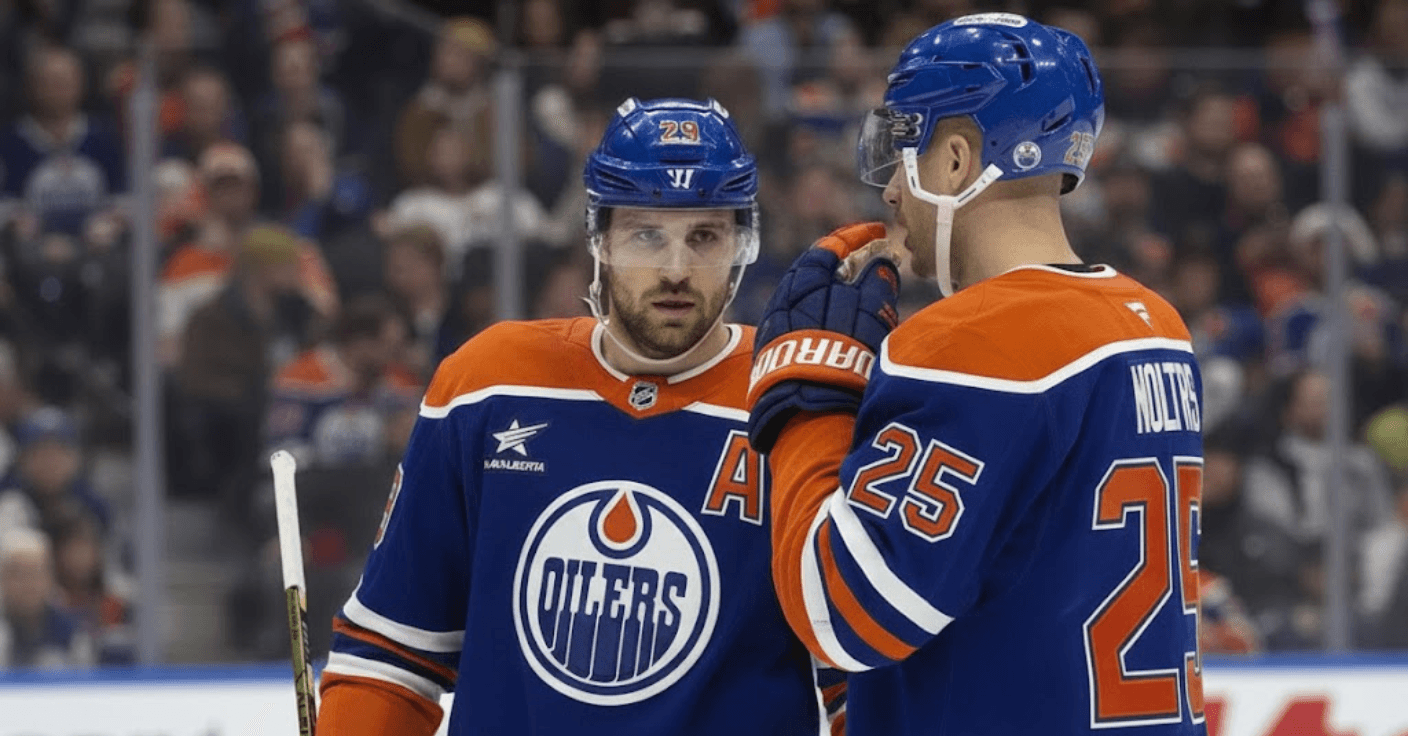
On one of the Dallas goals, superstar Connor McDavid was observed overcommitting defensively, chasing the puck and abandoning his man, leading directly to a scoring chance.
It’s a symptom of a larger issue where players are trying to do too much, abandoning the team’s defensive structure in the process.
Darnell Nurse has also been identified as a player who too often chases the play, leaving his position and creating dangerous openings for the opposition.
Then there is the other side of the coin: players who seem to be watching the play instead of actively engaging.
Leon Draisaitl was caught flat-footed on another goal, failing to recognize the danger developing through the neutral zone.
Offensive defenseman Evan Bouchard has been criticized for losing puck battles behind his own net and failing to cover his man in front.
These are not physical errors as much as they are mental lapses, a lack of urgency and awareness in critical moments.
When your best players are your biggest defensive liabilities, the entire system breaks down.
These are the same players who, during last season's playoff run, demonstrated they could commit to a tight, responsible defensive game.
The capability is there; the consistency is not.
This disconnect raises profound questions about the leadership and accountability within the locker room.
Even the players themselves seem to understand the problem, even if they can't yet solve it.
Veteran forward Ryan Nugent-Hopkins spoke before the Dallas game about the team's identity, stating that they must be a “defensive team first” to find success.
He is unequivocally correct.
Yet, the message is clearly not translating to the ice.
The performance that followed his comments was a masterclass in defensive disarray, a direct contradiction to the identity he described.
This chasm between words and actions is where fan frustration is boiling over.
This city knows its hockey, and it can see a team that is not playing for each other in its own end.
So, where does this leave the Edmonton Oilers?
The path forward is not as simple as making a trade or firing a coach.
The solution must be a fundamental, patient, and unwavering recommitment to defensive hockey from every single player who pulls on the jersey.
It means an end to cheating for offense.
It means winning board battles, making the simple play to get the puck out, and providing layers of support for the goaltender. It's about embracing the gritty, unglamorous work required to win in the NHL.
The Oilers cannot and will not score their way out of this mess.
The era of relying on sheer offensive firepower to overcome defensive deficiencies must end if this team ever hopes to lift the Stanley Cup.
This is a moment of truth for the organization, from the front office to the star players.
It's time to stop the bleeding, tighten up defensively, and prove that the words spoken in interviews are more than just empty promises.
Edmonton is watching, waiting for the team to decide what it truly wants to be.
Our reader's FAQ
What is the main problem with the Edmonton Oilers' defense? The core issue is not goaltending but a systemic failure in team defense. This includes frequent turnovers, players being out of position, losing puck battles, and a lack of defensive commitment from key players, leading to a high number of quality scoring chances for opponents.
Are the Oilers looking to trade for a new goalie? While trade rumors often surface during slumps, many analysts, including former NHL executives, believe a new goalie would not solve the team's deeper defensive problems. They argue that until the team in front of the net improves its play, any goaltender would struggle.
Who is being blamed for the Oilers' recent losses? The blame is shifting away from the coaching staff and goaltenders and increasingly towards the players, particularly the team's stars. Experts point to a lack of execution and defensive accountability from top players like Connor McDavid, Leon Draisaitl, and Darnell Nurse as a primary cause of the team's struggles. |


Sep 13, 2026
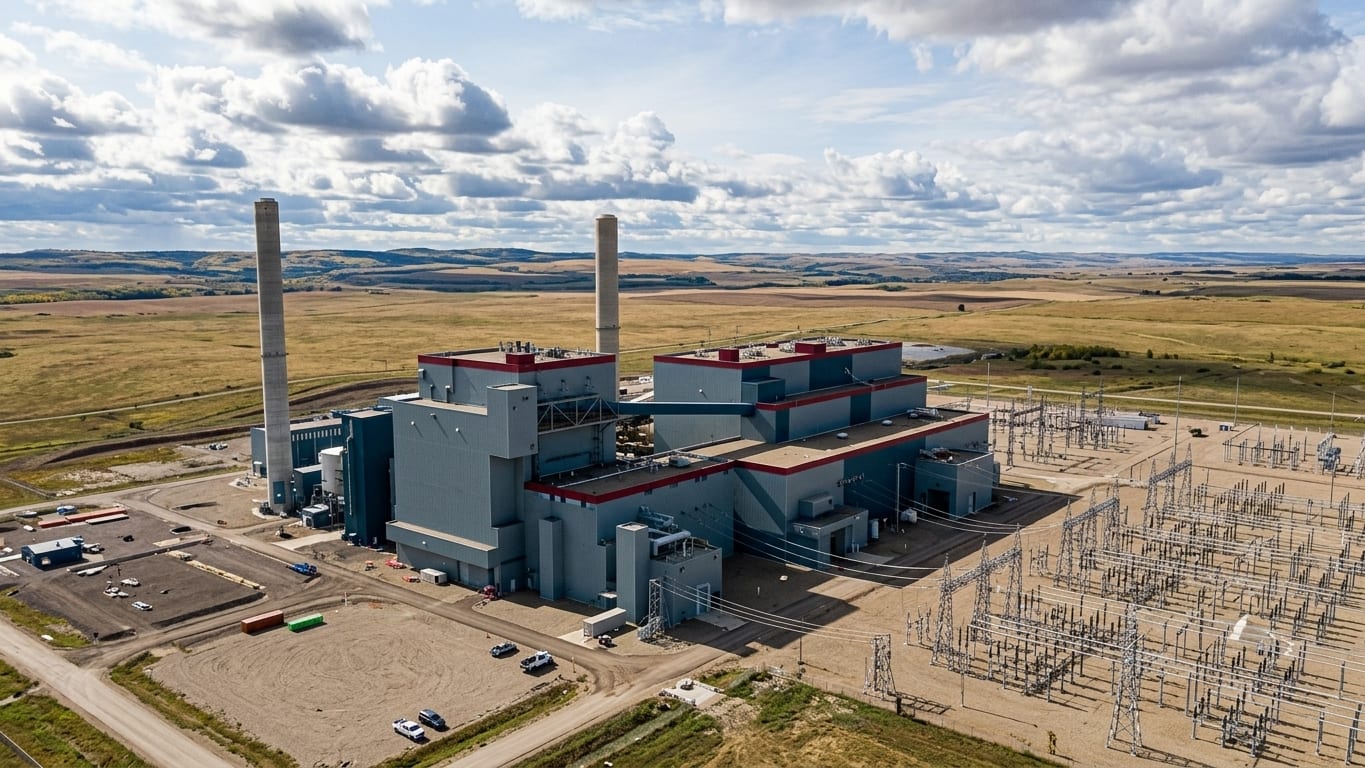
Carbon Capture Storage Hub Services in Edmonton, Alberta | CCS Hub Canada
Explore Alberta's expanding carbon capture storage hub network, from Edmonton's Wabamun project to the Origins CCS hub — Canada's largest CCS facility.

Sep 10, 2026
Meta AI Data Centre Coming to Edmonton Alberta | Sturgeon County Project
Meta AI data centre in Sturgeon County is reshaping Edmonton Alberta's economy with 3,000+ jobs and a $13B investment in Canada's AI future.

Sep 7, 2026
Shop Local in Edmonton: Supporting Local Businesses for a Thriving Community
Discover how Edmonton's shop local movement boosts local business support and small business growth for a resilient community.
Sep 2, 2026
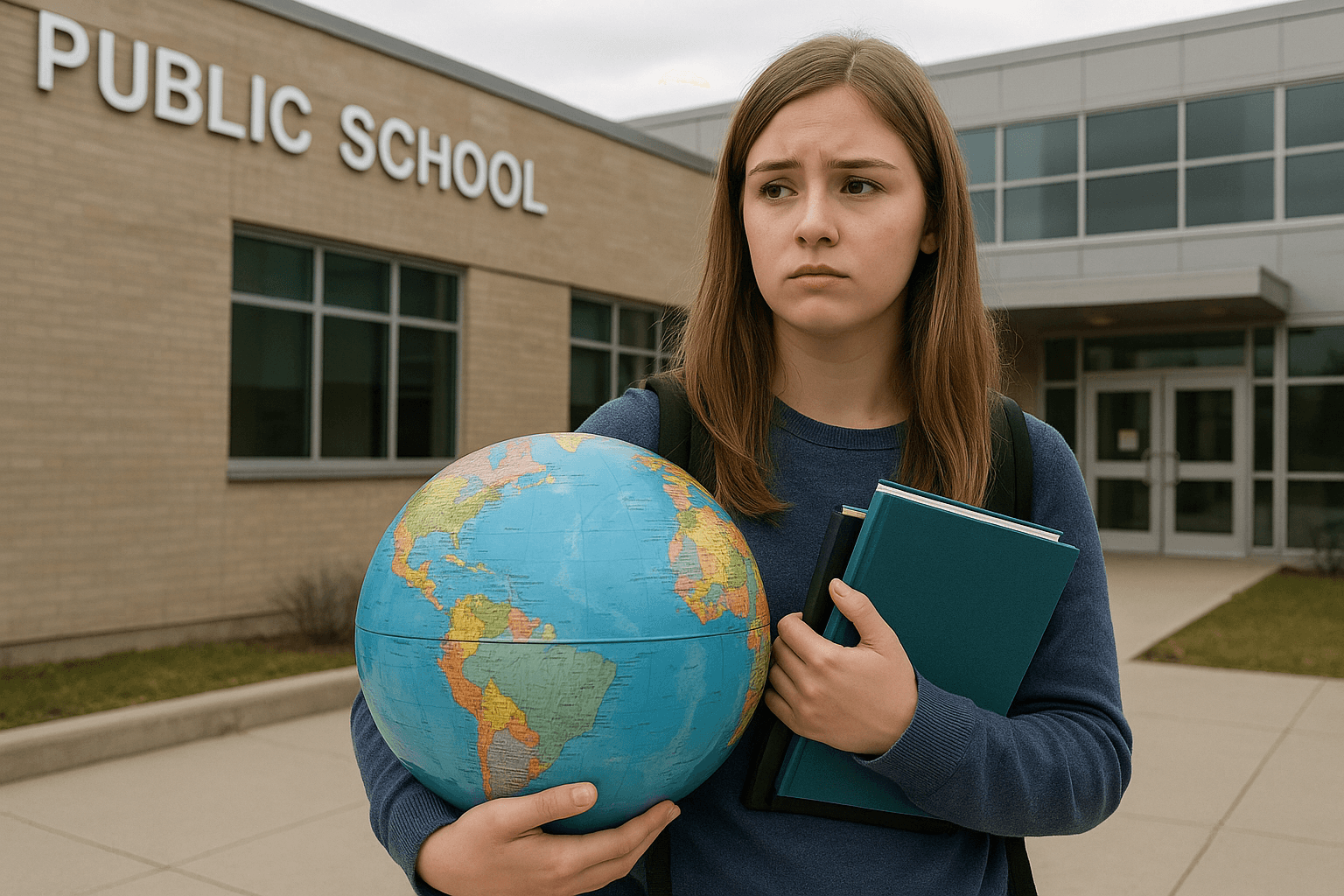
International School Trips in Edmonton: EPSB Cancels Overseas Travel
Edmonton public schools announce school trip cancellations for international school trips, impacting students and teachers across the district.
0 Comments
Join the conversation
Be the first to comment
Share your thoughts above.