
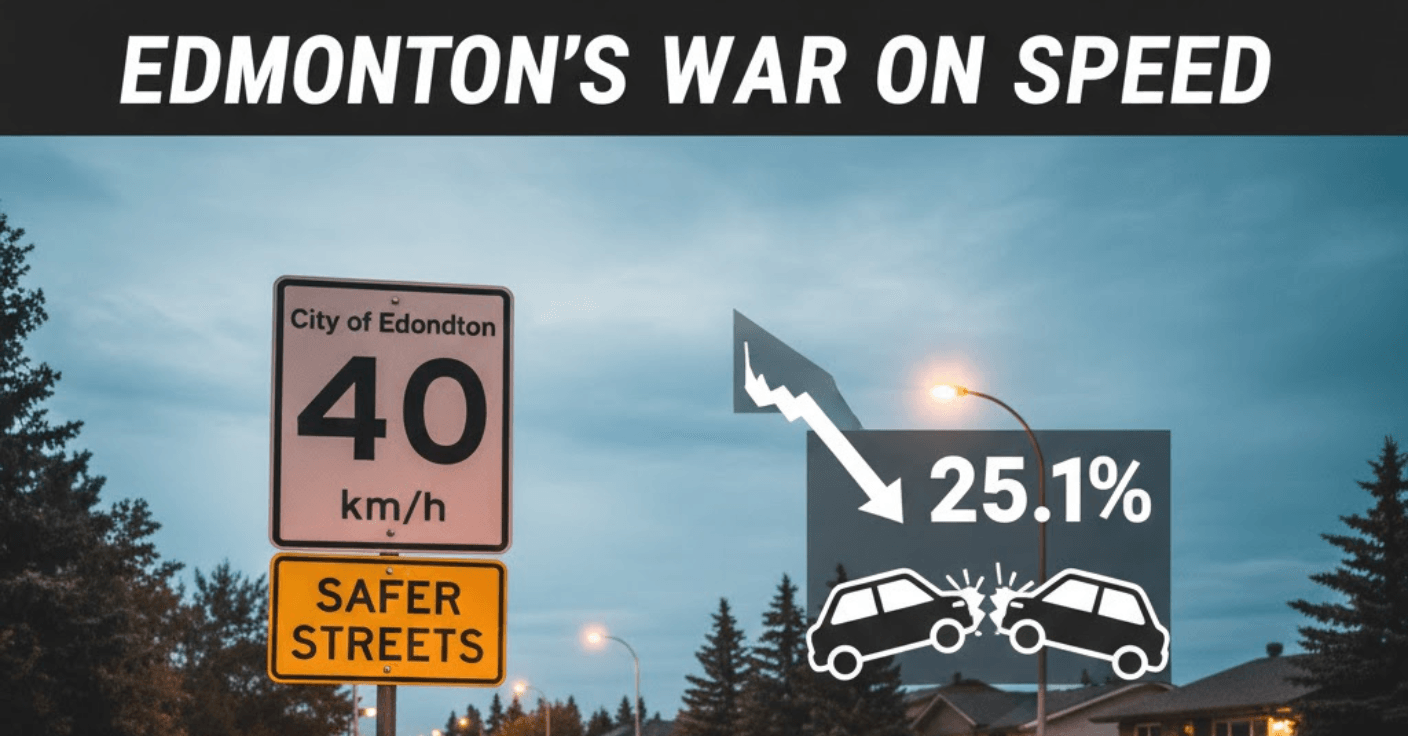
Edmonton Speed Limit Reductions: Safer Streets or Slower Commutes?
An in-depth look at Edmonton's 40 km/h speed limit reductions. We explore the Vision Zero data, ongoing debates, and whether the changes are truly working.
It has been a few years since Edmonton City Council made the pivotal decision to reduce the default speed limit on most residential streets to 40 km/h, a move that continues to spark debate in coffee shops and community leagues across the city.
This wasn't just a minor tweak to a few traffic signs.
It was a fundamental shift in the city's approach to road safety, a cornerstone of the ambitious Vision Zero strategy aiming to eliminate all traffic fatalities and serious injuries by 2032.
The core question for many Edmontonians remains brutally simple: is it working?
The initial push for Edmonton speed limit reductions was born from years of advocacy by community groups and safety experts who argued that lower speeds dramatically increase a pedestrian's chance of survival in a collision.
At 50 km/h, the chance of a pedestrian surviving is grimly low, but at 40 km/h, those odds more than double.
After extensive debate and public hearings, the bylaw officially took effect in August 2021, changing the unposted default speed across thousands of kilometres of local and downtown roads.
A Deep Dive into the Data
Recent analysis provides some compelling, if not conclusive, evidence.
A study conducted in collaboration with the University of Alberta offered a promising look at the initial impact.
The findings showed a remarkable 25 percent reduction in the total number of crashes on the affected roads.
Even more significantly, there was a 31 percent drop in overall injuries and fatalities, with a staggering 42 percent reduction for vulnerable road users like pedestrians and cyclists.
These figures suggest that the 40 km/h residential speed limit is having a measurable, positive effect on street safety.
Officials noted that the most significant collision reductions were seen in central core neighbourhoods, where streets are often narrower and more visually complex.
However, the success has not been uniform.
The same study highlighted that many cul-de-sac communities did not see the same level of improvement, and some areas still struggle with drivers who ignore the new limits.
This has led the city to introduce additional programs like the Towards 40 Program, which uses adaptable traffic calming measures to encourage compliance.
The Human Cost and Ongoing Challenges
Despite the positive data, the fight for safer streets is far from over.
Recent statistics from the Edmonton Police Service paint a sobering picture.
Traffic fatalities have seen concerning spikes, with speed and driver behaviour remaining key factors in many tragic incidents.
This harsh reality underscores that simply changing a speed limit sign isn't a silver bullet.
The policy's effectiveness hinges on a complex interplay of enforcement, road design, and a cultural shift in driver attitudes.
The city has been rolling out Vision Zero Street Labs in various communities, deploying tools like speed humps, curb extensions, and digital feedback signs to physically alter roadways and slow traffic down.
These measures are designed to be quicker and more cost-effective than major road reconstruction, allowing the city to respond to neighbourhood traffic safety concerns more nimbly.
But these interventions are not without their own controversies, sometimes frustrating drivers who feel their commute times are being unfairly impacted.
The city maintains that analysis shows the lower speeds add, at most, negligible time to the average trip—a small price to pay for a life saved.
A Lingering Debate: Is Slower Always Better?
The debate that took place within Edmonton City Council chambers for years now plays out on the streets themselves.
Opponents argued the change would be an expensive inconvenience with little effect, while proponents, including the Edmonton Federation of Community Leagues, championed it as a long-overdue measure to reclaim residential streets for people.
Some councillors and safety advocates even pushed for a more aggressive 30 km/h limit in core areas, a proposal that was ultimately shelved in favour of the city-wide 40 km/h compromise.
Now, the focus is shifting from policy to practice.
The city is continuing to monitor low-compliance roads and evaluate which traffic calming measures work best for Edmonton's unique, four-season climate, especially considering the challenges of snow clearing.
The effort is a constant balancing act between traffic flow and human safety.
Ultimately, the success of Edmonton's speed limit reductions rests not just with city planners and police, but with every driver who gets behind the wheel.
The data shows progress, but the headlines remind us that the goal of Vision Zero requires relentless vigilance and a shared commitment to protecting our most vulnerable neighbours on the road.
As Edmonton continues to grow, ensuring its streets are safe for everyone—from children playing street hockey to seniors crossing to a bus stop—remains one of the city's most critical and defining challenges.
The 40 km/h sign is more than a rule; it's a statement about the kind of city Edmonton wants to be.
FAQ: Edmonton Speed Limit Reductions
What is the default speed limit in Edmonton?
If you do not see a speed limit sign on a residential or downtown street, the default speed limit is now 40 km/h. This change was implemented as part of the Edmonton speed limit reductions program.
Are the Edmonton speed limit reductions part of a larger plan?
Yes, the 40 km/h default speed limit is a key component of the City of Edmonton's Vision Zero strategy. The ultimate goal of Vision Zero is to have zero traffic-related fatalities or serious injuries on city streets by the year 2032.
Has the 40 km/h speed limit actually reduced collisions?
According to a study by the University of Alberta, since the speed limit was lowered, affected roads have seen a 25% decrease in total collisions and a 31% decrease in injuries and fatalities, indicating a positive impact on traffic safety in Edmonton. |

Oct 4, 2026
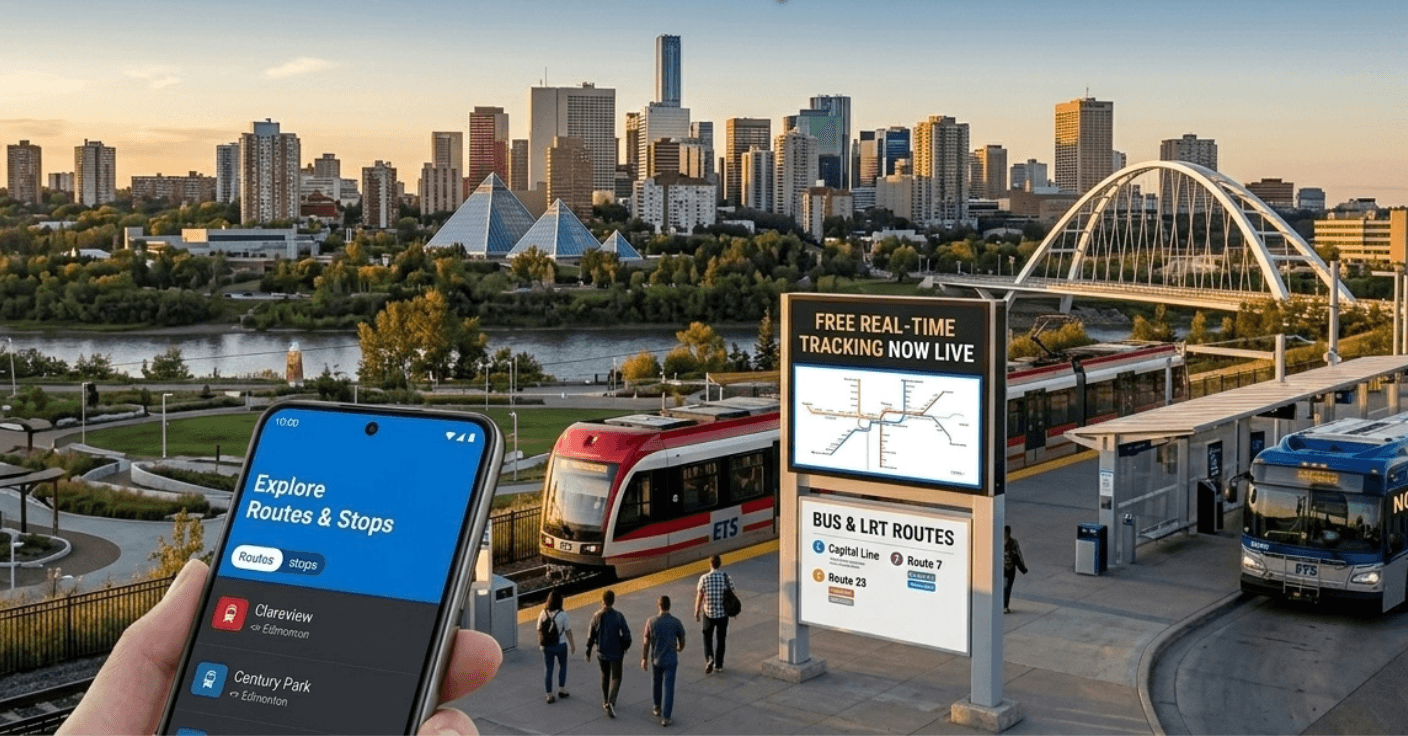
Transit App Free Features Now Available in Edmonton Alberta | ETS Upgrade
Explore transit app free features now unlocked for all Edmonton riders. Discover the latest Edmonton transit app upgrades and public transit improvements.

Sep 30, 2026
Pre-Treatment Beds for Addiction Recovery in Edmonton, Alberta
Edmonton's new pre-treatment beds addiction program expands addiction recovery beds with targeted treatment funding across Alberta's recovery system.
Sep 27, 2026
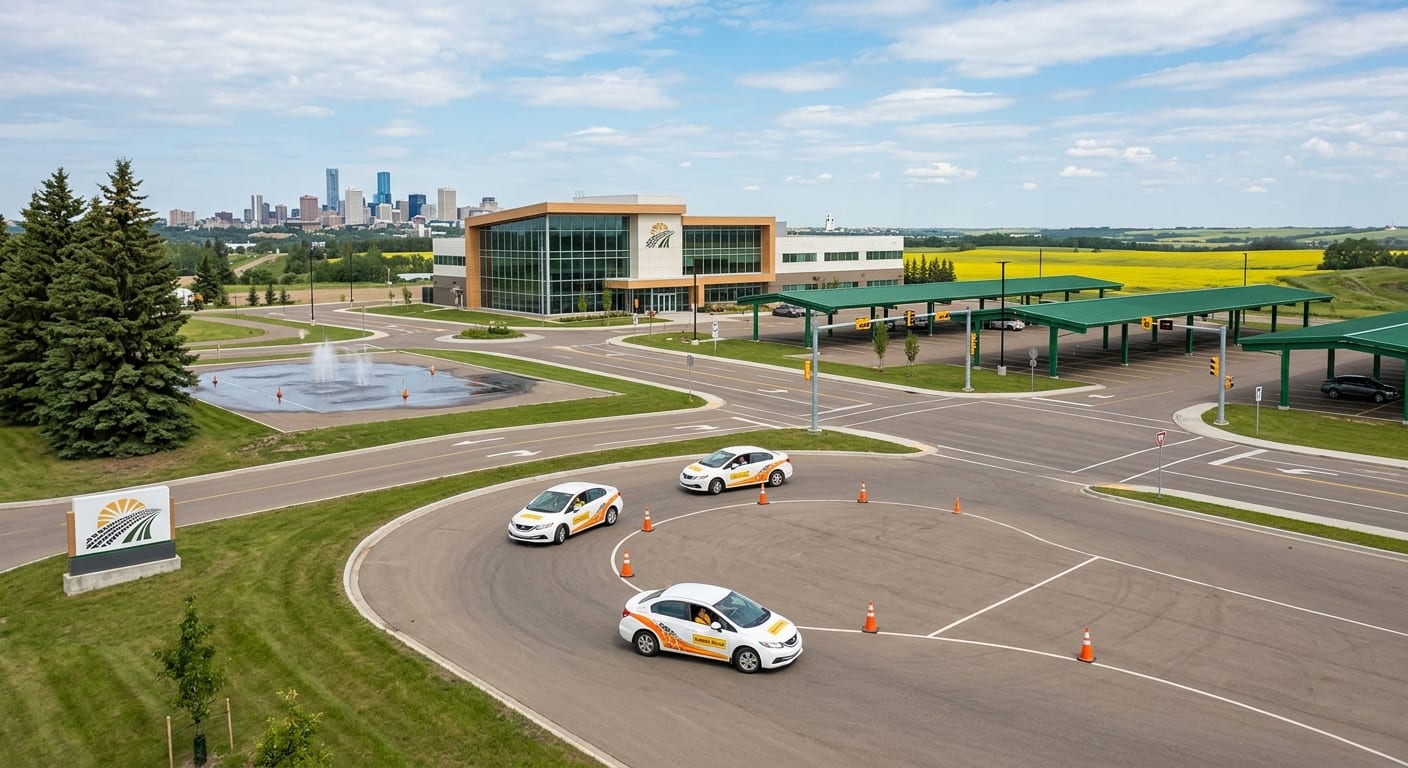
Driving Safety Training Campus Coming to Edmonton, Alberta
A new driving safety training campus is coming to Beaumont, backed by $38.5M in provincial funding infrastructure to serve the greater Edmonton region.
Sep 24, 2026
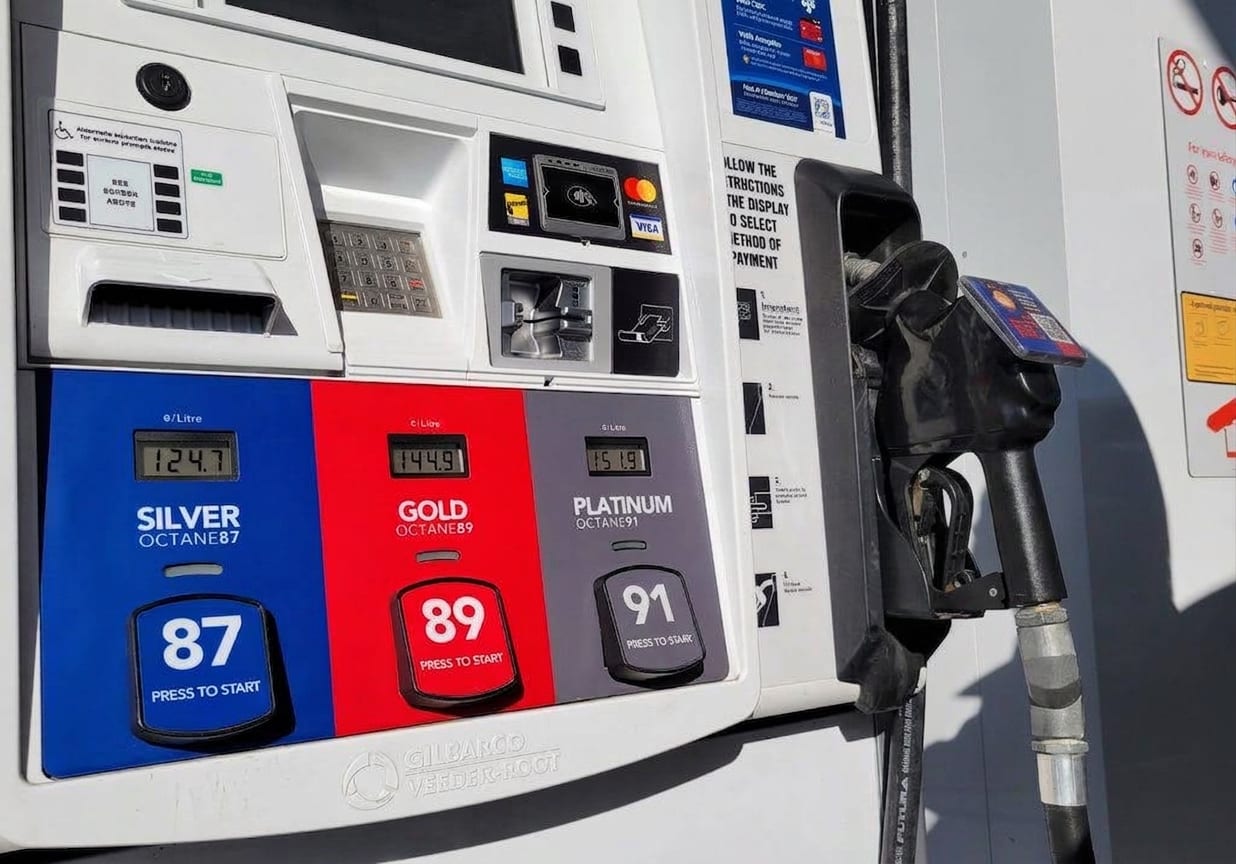
Alberta Fuel Tax Pause: What Edmonton Drivers Need to Know Through 2027
Alberta's provincial fuel tax suspension saves 13 cents per litre at the pump. See what the Alberta fuel tax pause means for Edmonton through 2027.
0 Comments
Join the conversation
Be the first to comment
Share your thoughts above.