
Global investment attraction strategies for Edmonton, Alberta
How non-residential tax base growth can ease the residential tax burden
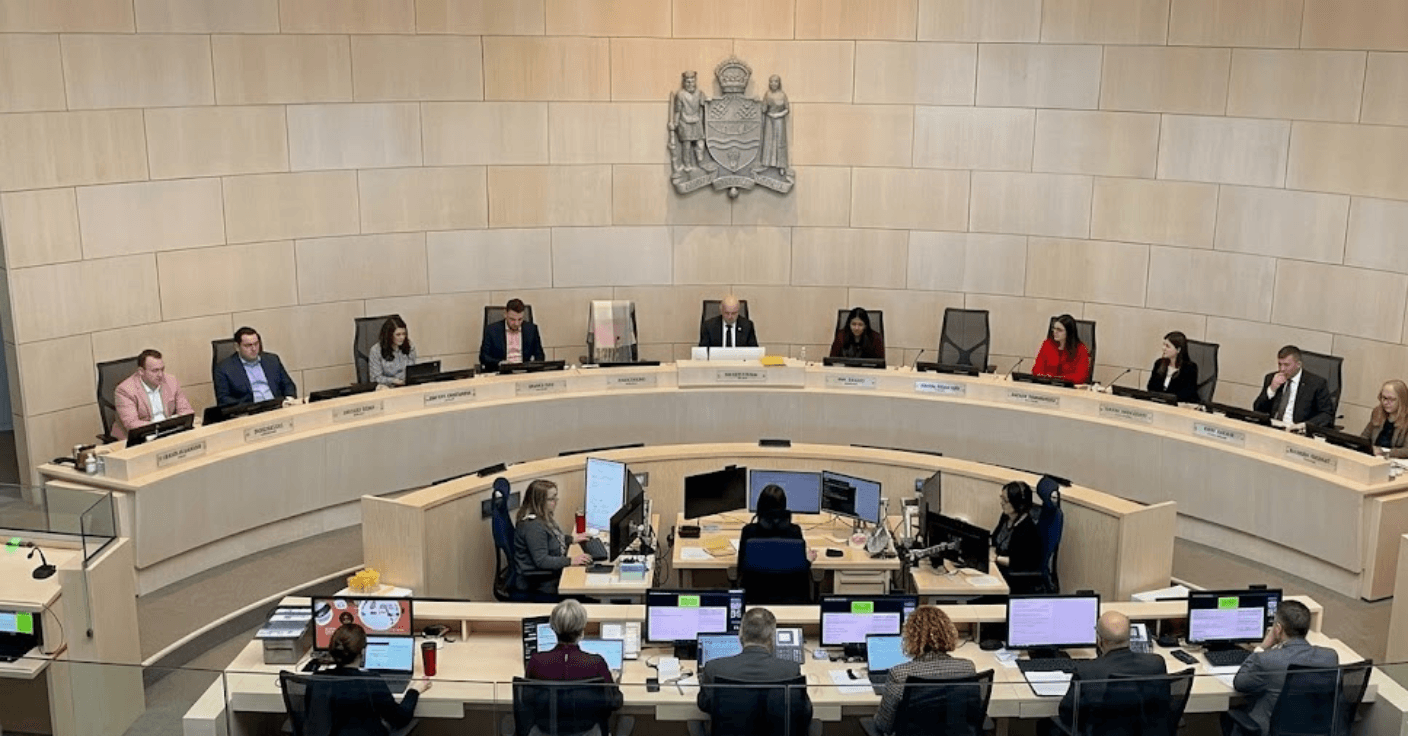
Edmonton is embarking on a bold initiative with its five-year plan, "Edmonton Advantage 2026-2030," designed to attract global investment and bolster the city's economic landscape.
Mayor Andrew Knack emphasized the necessity of expanding the non-residential tax base to alleviate the growing burden on residential taxpayers, a trend that has intensified over the past two decades.
Historically, Edmonton's reliance on residential property taxes has increased, placing a heavier financial load on homeowners.
By focusing on attracting non-residential investments, the city aims to diversify its revenue streams and reduce the dependency on residential taxes.
The "Edmonton Advantage 2026-2030" plan outlines several strategies to draw global investors.
These include enhancing infrastructure, offering competitive incentives, and fostering a business-friendly environment.
By creating a more attractive landscape for businesses, Edmonton hopes to stimulate economic growth and job creation.
However, some critics argue that the plan does not sufficiently support small businesses.
They contend that while attracting large-scale investments is beneficial, it's equally important to nurture local enterprises that form the backbone of the community.
In response, city officials have acknowledged these concerns and are considering adjustments to ensure that small businesses also benefit from the plan's initiatives.
Recent developments in Edmonton's business sector reflect the city's commitment to economic growth.
Several new companies have established operations in the area, contributing to job creation and economic diversification.
These investments are expected to strengthen the non-residential tax base, thereby easing the financial pressure on residential taxpayers.
Community leaders have expressed optimism about the plan's potential.
They believe that by attracting global investment, Edmonton can enhance its economic resilience and provide better services to its residents.
However, they also stress the importance of inclusive growth that benefits all segments of the population.
As Edmonton moves forward with the "Edmonton Advantage 2026-2030" plan, the city remains committed to balancing the needs of attracting global investment with supporting local businesses and residents.
By expanding the non-residential tax base, Edmonton aims to create a more sustainable and equitable tax structure for the future. |

Oct 4, 2026
Transit App Free Features Now Available in Edmonton Alberta | ETS Upgrade
Explore transit app free features now unlocked for all Edmonton riders. Discover the latest Edmonton transit app upgrades and public transit improvements.

Sep 30, 2026
Pre-Treatment Beds for Addiction Recovery in Edmonton, Alberta
Edmonton's new pre-treatment beds addiction program expands addiction recovery beds with targeted treatment funding across Alberta's recovery system.

Sep 27, 2026
Driving Safety Training Campus Coming to Edmonton, Alberta
A new driving safety training campus is coming to Beaumont, backed by $38.5M in provincial funding infrastructure to serve the greater Edmonton region.

Sep 24, 2026
Alberta Fuel Tax Pause: What Edmonton Drivers Need to Know Through 2027
Alberta's provincial fuel tax suspension saves 13 cents per litre at the pump. See what the Alberta fuel tax pause means for Edmonton through 2027.
0 Comments
Join the conversation
Be the first to comment
Share your thoughts above.