
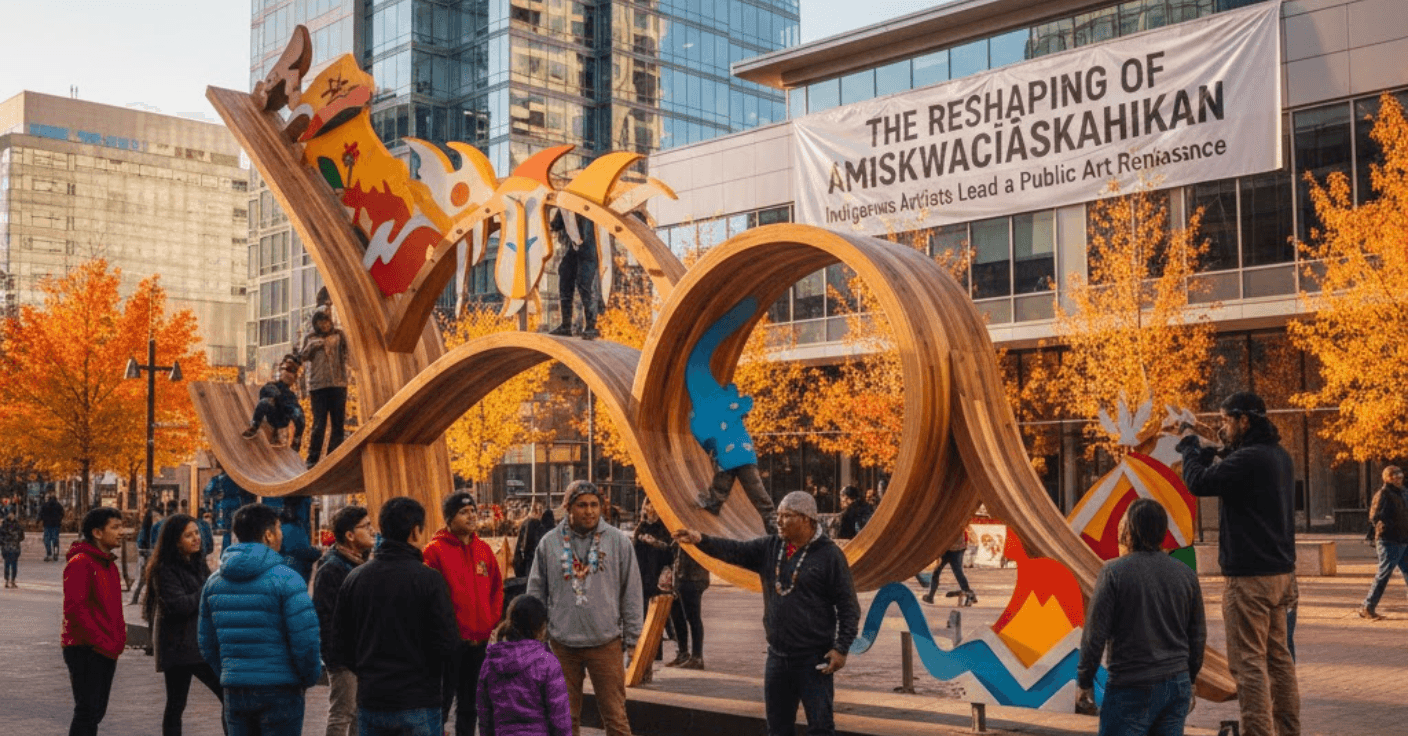
Indigenous Artists Reshape amiskwacîwâskahikan (Edmonton)
Discover how Indigenous artists in amiskwacîwâskahikan are driving reconciliation through powerful public art, murals, and education in Edmonton.
The land remembers its name, even when settlers forget.
Here, on Treaty 6 territory, the name is amiskwacîwâskahikan.
It translates from Cree as Beaver Hills House, a name that evokes a history far deeper than the concrete and steel of modern Edmonton.
Today, a generation of Indigenous artists is making sure that name, and the stories it holds, are not just remembered but are vibrantly alive in the city’s public spaces.
This is not just about hanging art on a wall; it is an act of profound reclamation.
Every mural painted, every story shared, every sculpture placed is a stitch mending a fractured history, a bold statement of presence and resilience.
The city itself is becoming a canvas for this vital work, guided by a new sense of purpose and a commitment to changing the public narrative.
At the forefront of this movement are artists whose work confronts, heals, and educates.
Take the recent installation by Cree and Métis artist Michelle Sound at a downtown transit shelter.
Her piece, titled Sipikiskisiw (Remembers Far Back), is a powerful commentary on memory and loss.
She physically tore archival images of a Papaschase reserve map and photos from Fort Edmonton, only to mend them with beadwork, porcupine quills, and caribou hair tufting.
The rips remain visible, a metaphor for wounds that can never be fully erased but can be tended to with culture and story.
This project, supported by the Edmonton Arts Council, turns a simple public space into a site of deep historical reflection.
Further into the city's heart, Métis artist Destiny Swiderski created Amiskwacîw Wâskâyhkan Îhtâwin in Michael Phair Park.
More than 150 copper silhouettes of Bohemian wax-wing birds guide visitors through the space, creating an immersive experience that weaves together Cree syllabics and imagery of the boreal forest.
It is a breathtaking example of how public art can celebrate Indigenous roots and re-consecrate a place as a site for gathering and sharing.
This work is fundamentally changing how Edmontonians interact with their city’s history.
These visual artists are part of a larger ecosystem of cultural resurgence.
Institutions like the Bearclaw Gallery have long championed Indigenous fine art, showcasing masters like Alex Janvier and contemporary voices like Aaron Paquette and Jason Carter.
Meanwhile, the Ociciwan Contemporary Art Centre provides a critical platform for challenging, innovative work, as seen in its inaugural exhibition, which was itself titled amiskwacîwâskahikan and featured artists with deep ties to this territory, including Jane Ash Poitras and Lana Whiskeyjack.
The dialogue extends beyond galleries and into the very fabric of civic life.
The journey of reconciliation in Edmonton is being shaped not only by paint and metal but also by knowledge keepers and educators.
People like Megan Tipler, a Métis educator with the University of Alberta, and Melissa Purcell of the Smith's Landing First Nation, are crucial in advancing Indigenous perspectives within educational curricula.
They are ensuring the next generation understands the significance of Treaty 6 and the history of the land they call home.
This educational push provides the context that makes the public art truly resonate.
It transforms a mural from a pretty picture into a history lesson.
The city's commitment is also materializing in new, sacred spaces.
The recent establishment of Kihciy Maskikiy/Aakaakmotaani, a reconciliation garden on the legislature grounds, is a landmark achievement.
Guided by Indigenous Elders, the garden, whose name means ‘sacred medicine/save many people’ in Cree and Blackfoot, provides a place for reflection and healing, centered around a monument for residential school survivors and victims.
It is a physical manifestation of the city's promise to confront its colonial past.
While muralists and installation artists are highly visible, the quieter, deeply traditional work of carvers also contributes to this cultural tapestry.
Though perhaps less present in large-scale public installations, the intricate work of wood and stone carvers carries ancestral knowledge, connecting contemporary life to the practices of generations past.
Their work often finds its home in galleries and community centres, preserving skills that tell stories of the land and its spirits.
This entire movement is about more than just art; it is a vision for the future of amiskwacîwâskahikan.
It is a future where Indigenous stories are not relegated to museums but are woven into the daily lives of all who live here.
It represents a city bravely choosing to see itself whole, acknowledging every part of its story.
The artists leading this charge are not just decorating a city; they are reminding it of its true name and, in doing so, helping it find its soul.
The transformation is powerful, deeply emotional, and it is happening right before our eyes.
Our reader's FAQs :
What is amiskwacîwâskahikan?
amiskwacîwâskahikan is the Cree name for the Edmonton area, meaning "Beaver Hills House." It acknowledges the land as a traditional gathering place for many Indigenous Nations long before the city was founded.
Who are some key Indigenous artists in Edmonton?
The Edmonton art scene features many influential Indigenous artists, including muralist and multidisciplinary artist Michelle Sound, public artist Destiny Swiderski, and painters like Aaron Paquette and Jane Ash Poitras, who are often featured in galleries like Bearclaw Gallery and Ociciwan Contemporary Art Centre.
How is public art connected to reconciliation in Edmonton?
Public art is a vital part of the reconciliation process in Edmonton. Through murals, sculptures, and installations, Indigenous artists are reclaiming public spaces, sharing unfiltered histories, and embedding Indigenous language and culture into the urban landscape, fostering dialogue and understanding in accordance with the Truth and Reconciliation calls to action. |

Sep 13, 2026
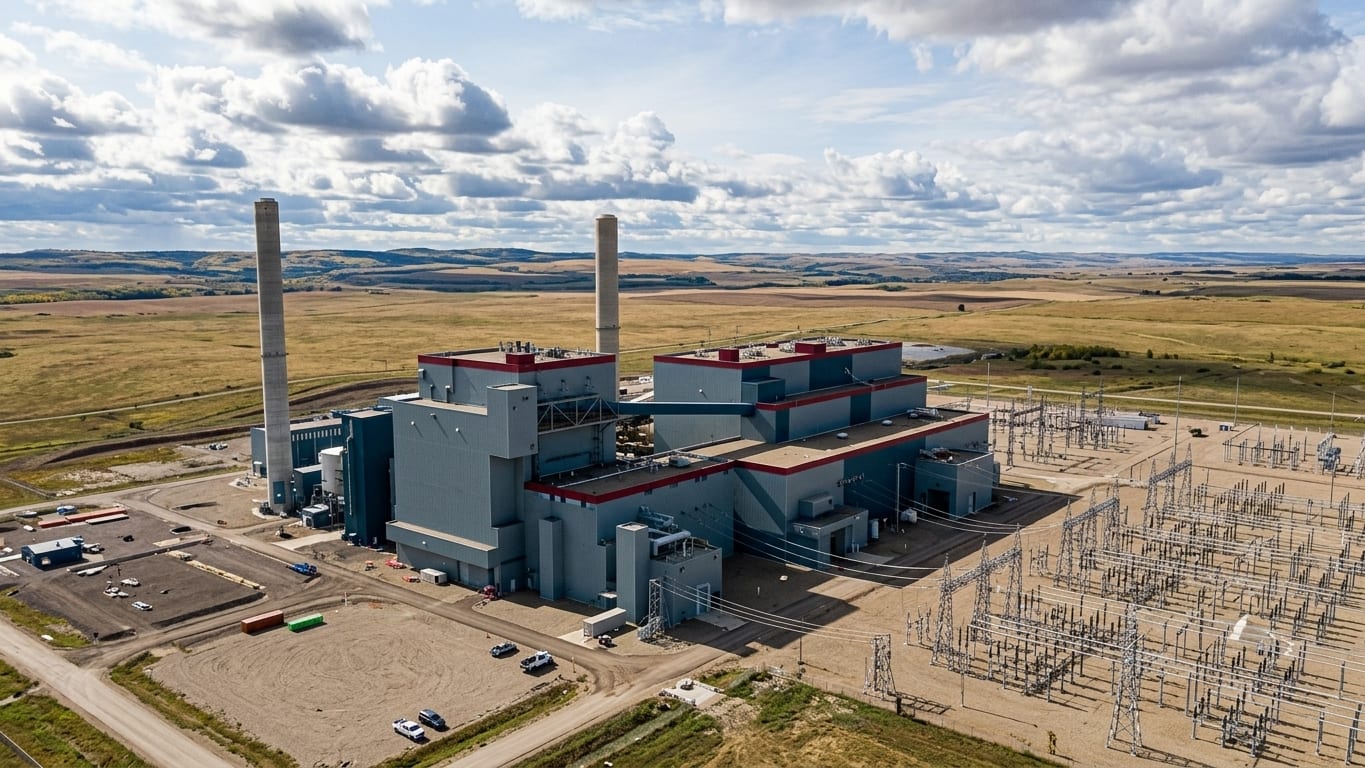
Carbon Capture Storage Hub Services in Edmonton, Alberta | CCS Hub Canada
Explore Alberta's expanding carbon capture storage hub network, from Edmonton's Wabamun project to the Origins CCS hub — Canada's largest CCS facility.

Sep 10, 2026
Meta AI Data Centre Coming to Edmonton Alberta | Sturgeon County Project
Meta AI data centre in Sturgeon County is reshaping Edmonton Alberta's economy with 3,000+ jobs and a $13B investment in Canada's AI future.
Sep 7, 2026
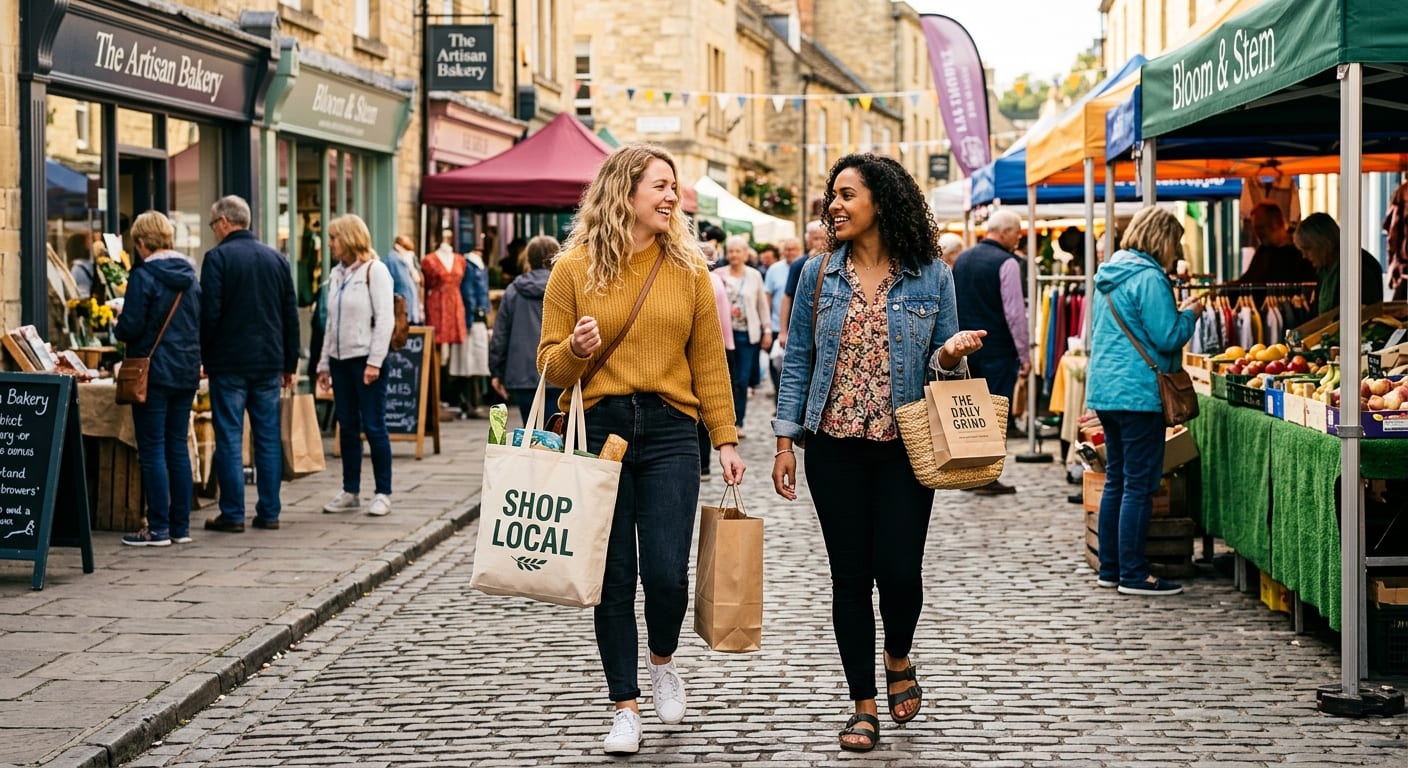
Shop Local in Edmonton: Supporting Local Businesses for a Thriving Community
Discover how Edmonton's shop local movement boosts local business support and small business growth for a resilient community.
Sep 2, 2026
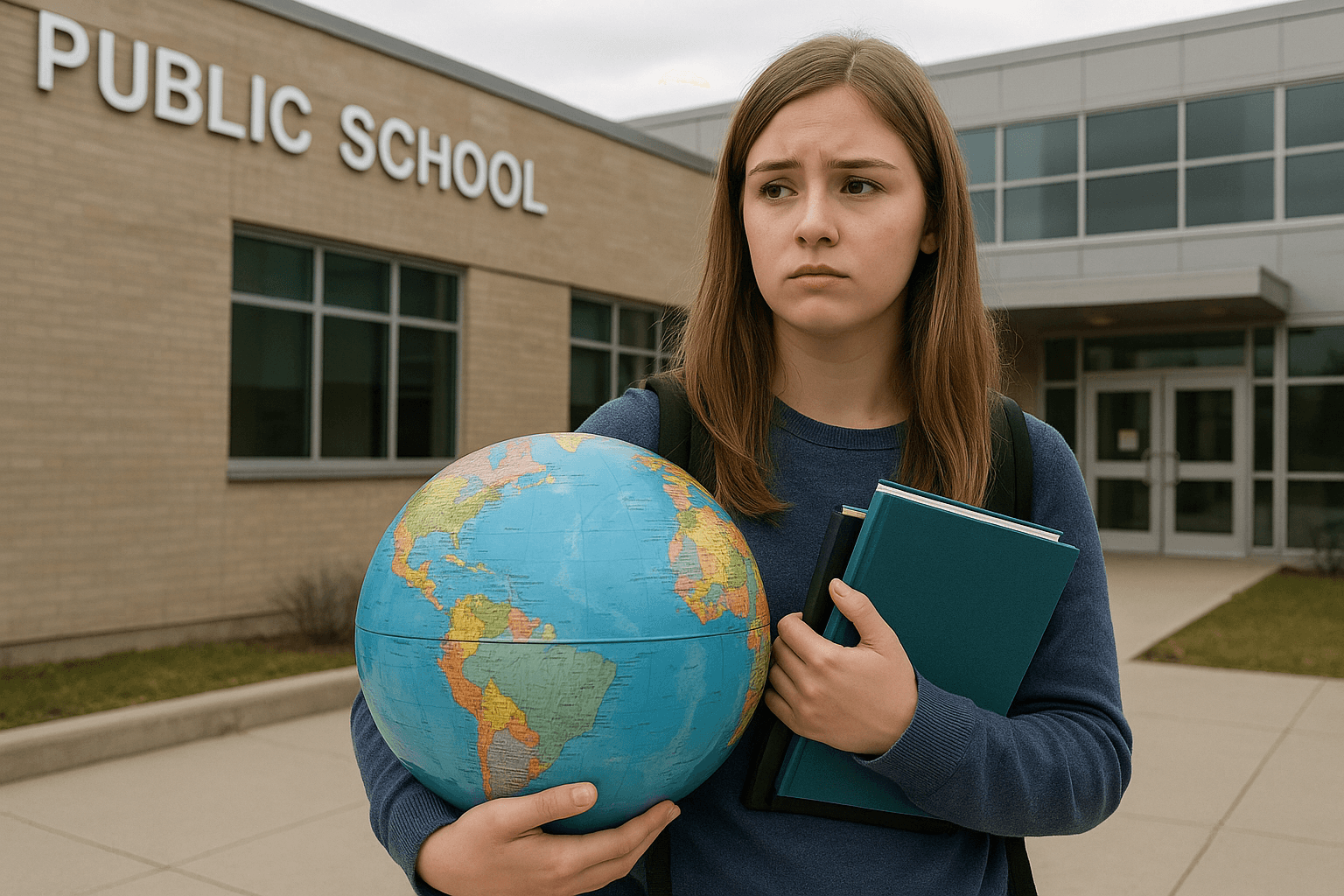
International School Trips in Edmonton: EPSB Cancels Overseas Travel
Edmonton public schools announce school trip cancellations for international school trips, impacting students and teachers across the district.
0 Comments
Join the conversation
Be the first to comment
Share your thoughts above.