
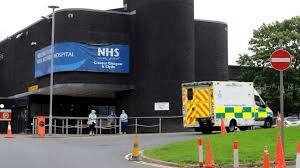
Transformation in the Heart of Edmonton: The Impact of Royal Alex Site Closure.
Unpacking the Impact: How the closure of Royal Alex site is reshaping healthcare in Edmonton.
For years, the intersection of Kingsway and 101 Street has been at the heart of Edmonton’s most complex healthcare challenge. As of this week, that landscape has shifted fundamentally.
On December 16, 2025, the supervised consumption site (SCS) located within the Royal Alexandra Hospital (RAH) officially ceased operations. The closure marks a significant milestone in the Alberta government’s aggressive transition toward a "recovery-oriented system of care." While the move has sparked intense debate between harm-reduction advocates and provincial officials, it signals a definitive new chapter for addiction services in the city.
The End of an Era at the Royal AlexThe Royal Alexandra site was unique in Edmonton’s healthcare system. Unlike other sites, it was specifically designed for inpatients and emergency department patients. It provided a space where those already admitted to the hospital could consume pre-obtained drugs under medical supervision, preventing fatal overdoses in hospital bathrooms or stairwells.
According to the Ministry of Mental Health and Addictions, the site saw relatively low traffic, averaging roughly 22 unique clients per month throughout 2024. The government cited these low numbers and high operational costs as primary reasons for the shuttering, arguing that acute care resources are better spent on treatment-focused initiatives.
The Provincial Vision: "Recovery-Oriented Care"The closure is not a simple "cut" but a pivot. The UCP government is replacing the site with what they term "recovery-oriented addiction services." This includes:
The Growing Gap in Harm ReductionWith the Royal Alex site gone, Edmonton is left with only two supervised consumption sites:
For advocates like Friends of Medicare, this reduction is alarming. They argue that harm reduction is the "front door" to the healthcare system for the most vulnerable. "You cannot recover if you are dead," says Executive Director Chris Gallaway, pointing to a nearly 40% increase in opioid-related EMS calls in Edmonton earlier this year. Critics of the closure worry that removing a safe space within the hospital will lead to more "clandestine use" on hospital grounds, potentially increasing the risk of unmonitored overdoses and discarded needles in public areas.
What Comes Next for Edmonton?The closure of the RAH site is part of a broader provincial trend. Similar sites in Red Deer have been replaced by mobile units, and the province recently confirmed that Calgary’s only remaining site at the Sheldon M. Chumir Health Centre is slated for closure in 2026.
As the city adjusts to this change, the focus shifts to the efficacy of the new RAAM clinics. If these clinics can successfully transition users from the street into long-term recovery, the government’s gamble may pay off. However, for the workers on the front lines of Edmonton’s inner city, the immediate concern remains the safety of those who aren't yet ready, or able, to choose the path of recovery.
Resources for Those Seeking HelpIf you or someone you know is struggling with substance use, the following resources remain available:
Would you like me to find a list of the specific services offered by the new RAAM clinic at the Royal Alex, or perhaps a map of the remaining harm-reduction resources in the downtown core? This video explains the provincial government's reasoning behind shifting away from supervised consumption toward a recovery-focused model.
|

Sep 13, 2026
Carbon Capture Storage Hub Services in Edmonton, Alberta | CCS Hub Canada
Explore Alberta's expanding carbon capture storage hub network, from Edmonton's Wabamun project to the Origins CCS hub — Canada's largest CCS facility.

Sep 10, 2026
Meta AI Data Centre Coming to Edmonton Alberta | Sturgeon County Project
Meta AI data centre in Sturgeon County is reshaping Edmonton Alberta's economy with 3,000+ jobs and a $13B investment in Canada's AI future.

Sep 7, 2026
Shop Local in Edmonton: Supporting Local Businesses for a Thriving Community
Discover how Edmonton's shop local movement boosts local business support and small business growth for a resilient community.

Sep 2, 2026
International School Trips in Edmonton: EPSB Cancels Overseas Travel
Edmonton public schools announce school trip cancellations for international school trips, impacting students and teachers across the district.
0 Comments
Join the conversation
Be the first to comment
Share your thoughts above.