
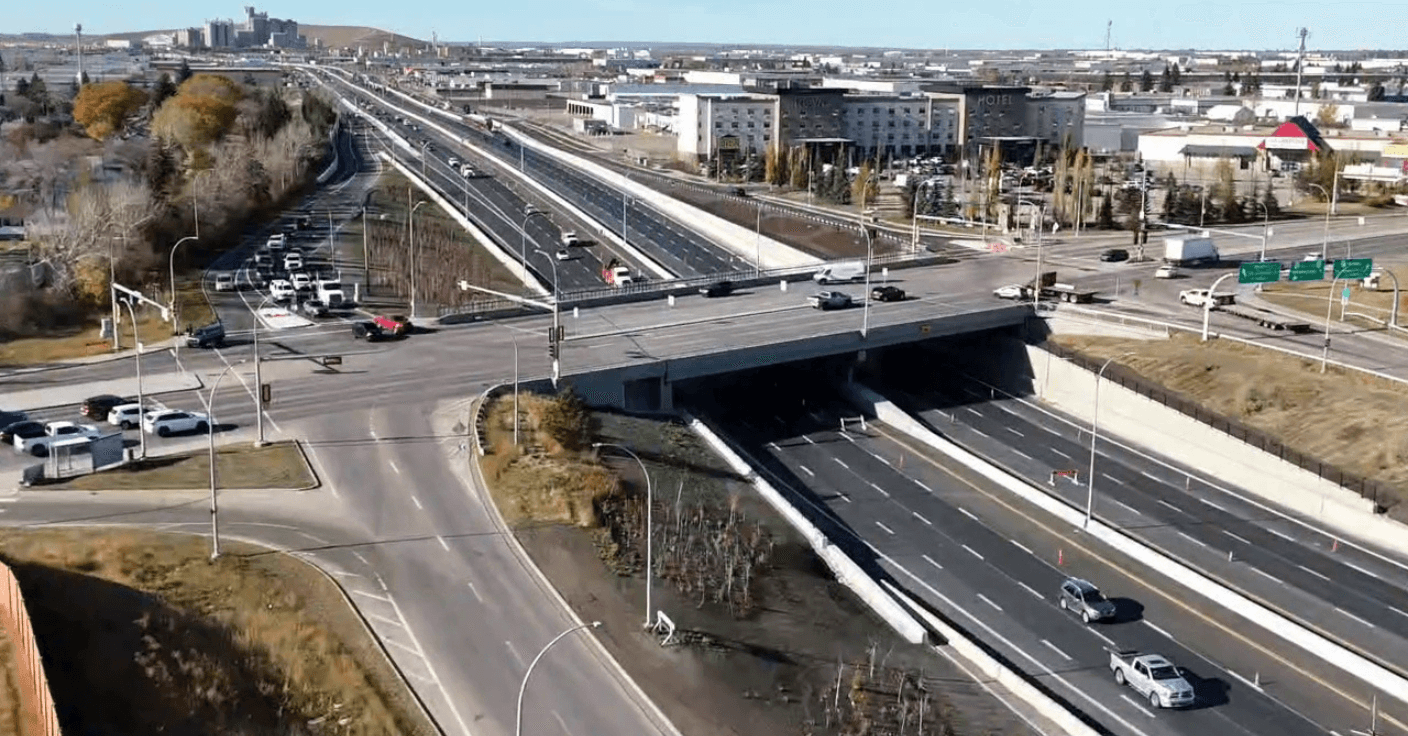
Yellowhead Trail Freeway Conversion: Edmonton's Path to 2027
Get the latest on the Yellowhead Trail Freeway Conversion in Edmonton. See updates on traffic delays, construction at St. Albert Trail, and the 2027 goal.
The ambitious, decade-long dream of transforming one of Edmonton's most notoriously congested corridors is now a daily reality of orange cones and shifted lanes for thousands of commuters.
The Yellowhead Trail Freeway Conversion is not just another road project; it's a fundamental reimagining of how goods and people move through the northern half of the city.
The grand vision is to convert the entire 25-kilometre stretch within city limits into a true, free-flowing freeway.
This means six lanes of traffic, three in each direction, with no traffic signals to halt the steady stream of vehicles.
For a route that currently handles up to 81,000 vehicles a day, a figure expected to surge past 120,000 in the coming decades, the change is essential, not optional.
The promised benefits are immense: drastically reduced travel times, improved safety at intersections once ranked among the city's most dangerous, and a more efficient commercial artery for Western Canada.
But the road to progress is paved with disruption.
The final and most complex phase of the project is now fully underway, focusing on the critical segment between St. Albert Trail and 97 Street.
Commuters are being warned to brace for significant delays as this stretch is permanently reduced to two lanes in each direction until the project's completion in 2027.
Speed limits have been slashed to 50 km/h in construction zones, a necessary measure for worker safety that adds to the daily grind.
This phase involves the complete removal of all traffic signals and the construction of new interchanges at 127 Street and 121 Street.
It's a delicate and disruptive surgical procedure on a major artery, requiring complex traffic crossovers and detours that will test the patience of even the most seasoned Edmonton driver.
While this major segment grinds on, other pieces of the massive puzzle are falling into place, offering a glimpse of the future.
Significant progress was celebrated with the completion of the Fort Road widening project.
The road now features three lanes in each direction between 66 Street and Yellowhead Trail, dramatically improving access to nearby industrial and commercial areas via the new 125 Avenue collector road.
Other completed milestones include the widening of the Yellowhead's eastern section and upgrades between 97 Street and 82 Street, which have already begun to ease old bottlenecks.
The total cost of this transformation is staggering, a more than $1 billion investment funded by the municipal, provincial, and federal governments.
However, the project has not been immune to economic pressures, with recent city budget talks revealing a cost overrun of approximately $105 million due to inflation, land acquisition costs, and other challenges.
Despite the budget increase, Mayor Amarjeet Sohi and city officials remain adamant that the project must proceed, citing its critical importance for trade, safety, and the city's future growth.
This isn't just about cars and trucks.
The conversion also incorporates vital active transportation links to better connect surrounding communities.
A new pedestrian and cyclist bridge is planned for the 127 Street interchange, and new shared pathways will be built along the south side of Yellowhead Trail, linking neighborhoods like Sherbrooke and Prince Charles to NAIT and beyond.
As Edmontonians navigate the detours and delays, the long-term gain remains the focus for city planners.
The Yellowhead Trail Freeway Conversion is more than just an infrastructure upgrade; it's a bet on a more efficient, safer, and economically vibrant future for the entire Edmonton region.
Our reader's top Questions
When will the Yellowhead Trail be a full freeway?
The entire Yellowhead Trail Freeway Conversion project is slated for completion by the end of 2027, with some minor deficiency work potentially extending into 2028.
Why is this construction necessary?
The conversion is needed to handle a projected doubling of traffic volume in the coming years. It aims to eliminate dangerous, high-collision intersections and create a free-flowing corridor to reduce congestion and support economic activity across Western Canada.
What are the biggest traffic impacts right now?
The most significant impacts are between St. Albert Trail and 97 Street, where traffic is reduced to two lanes in each direction with a 50 km/h speed limit. Drivers should expect major delays in this area and on connecting routes like 127 Street and 121 Street until 2027. |

Sep 13, 2026
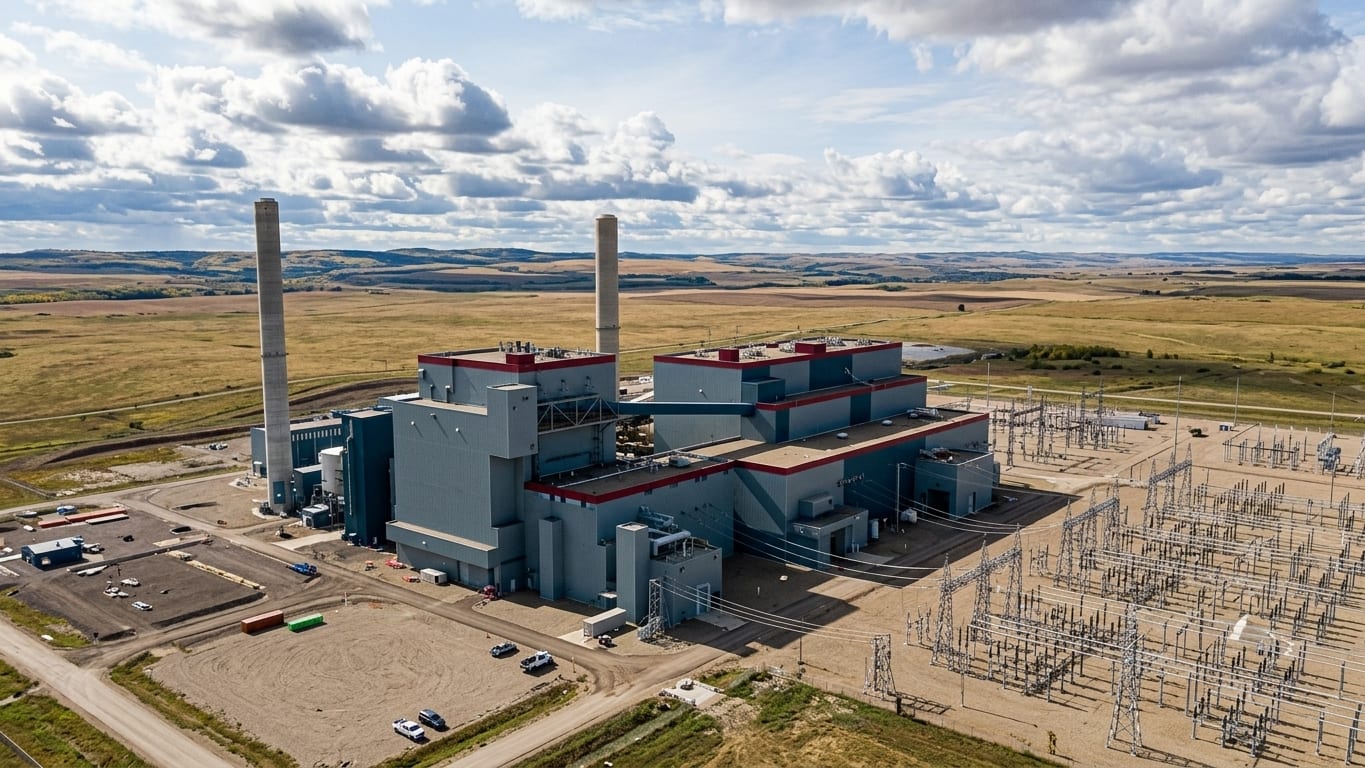
Carbon Capture Storage Hub Services in Edmonton, Alberta | CCS Hub Canada
Explore Alberta's expanding carbon capture storage hub network, from Edmonton's Wabamun project to the Origins CCS hub — Canada's largest CCS facility.

Sep 10, 2026
Meta AI Data Centre Coming to Edmonton Alberta | Sturgeon County Project
Meta AI data centre in Sturgeon County is reshaping Edmonton Alberta's economy with 3,000+ jobs and a $13B investment in Canada's AI future.

Sep 7, 2026
Shop Local in Edmonton: Supporting Local Businesses for a Thriving Community
Discover how Edmonton's shop local movement boosts local business support and small business growth for a resilient community.

Sep 2, 2026
International School Trips in Edmonton: EPSB Cancels Overseas Travel
Edmonton public schools announce school trip cancellations for international school trips, impacting students and teachers across the district.
0 Comments
Join the conversation
Be the first to comment
Share your thoughts above.