
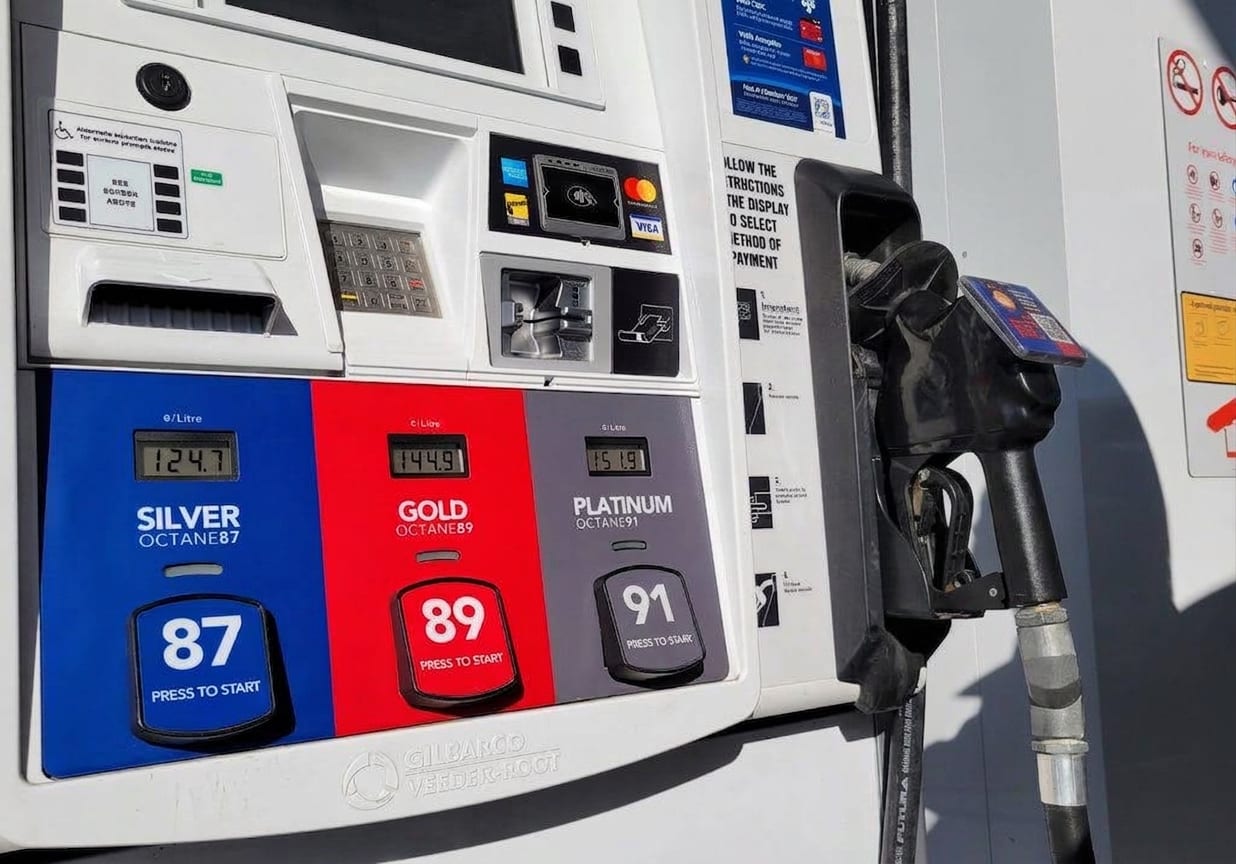
Alberta Pauses Provincial Fuel Tax Until 2027
How the provincial fuel tax suspension brings lasting pump price savings for Albertans
Relief is finally arriving at the pump for Edmonton drivers — and for every Albertan who has watched fuel costs quietly erode their monthly budget.
The provincial government confirmed it will suspend the full 13-cent-per-litre provincial fuel tax on both gasoline and diesel, effective October 1, with the pause stretching through the end of the year and carrying implications well into 2027.
It is a move that has been months in the making, and one that many residents and advocacy groups had been loudly calling for throughout a year already defined by economic uncertainty and surging living costs.
For a city like Edmonton — where vehicles are not a luxury but a daily necessity for commuters, tradespeople, and families navigating sprawling suburban distances — the timing carries real weight.
The Alberta fuel tax pause applies to both regular unleaded gasoline and diesel, meaning the savings ripple across passenger drivers, commercial operators, and the agricultural sector simultaneously.
That breadth is part of what makes this particular suspension stand out compared to previous, more narrow relief programs the province has introduced during past periods of price volatility.
Under the existing provincial fuel tax relief framework, quarterly reductions are triggered automatically when the price of West Texas Intermediate crude oil — the North American benchmark — averages above a specific threshold over a defined review window.
During the most recent review period, WTI averaged over $90 per barrel, easily clearing the bar required to activate full suspension of the 13-cent levy.
Global oil markets have been particularly turbulent throughout 2026, driven in part by geopolitical conflict and supply route disruptions that sent prices climbing well beyond what forecasters had anticipated at the start of the fiscal year.
Just months earlier, provincial projections had placed WTI at roughly $60 per barrel for the year — a figure that now reads as a dramatic underestimate given the market forces that have reshaped energy economics globally.
For Edmonton households filling up a standard pickup truck once a week, the math on these savings is not trivial.
Someone purchasing 60 litres per week stands to avoid over $100 in provincial fuel tax across the three-month suspension period, while heavier drivers who fill larger tanks weekly could pocket significantly more.
Even a compact car owner filling up at 40 litres a week would accumulate nearly $70 in direct savings — money that stays in wallets rather than flowing to provincial coffers.
Premier Danielle Smith framed the announcement as a direct response to the financial pressure facing both families and businesses, emphasizing that every fill-up will cost less starting the first of October.
The decision was disclosed during a high-profile address to the business community in Calgary, underscoring the provincial government's interest in signaling affordability action at a moment when public sentiment around cost-of-living has grown increasingly strained.
The provincial fuel tax suspension does not exist in isolation — it lands alongside a parallel federal measure.
Ottawa announced the same day that its suspension of the federal fuel excise tax would be extended under proposed new legislation, offering drivers a combined stack of relief at the pump that analysts say is among the most significant multi-layered fuel price interventions Canadians have seen in recent memory.
The federal suspension alone has been removing up to 10 cents per litre on gasoline from pump prices.
Layered on top of the provincial 13-cent pause, Edmonton drivers are looking at potential combined savings approaching or exceeding 23 cents per litre compared to what they would otherwise be paying without either suspension in place.
Average Canadian fuel prices have been hovering around $1.82 per litre in recent weeks — a figure that residents in most provinces have found difficult to absorb on top of elevated grocery and housing costs.
Edmonton and the broader Alberta market typically enjoy somewhat lower prices than the national average, largely due to the province's geographic proximity to production and refining infrastructure.
With the provincial fuel tax suspension now layered on top of that natural pricing advantage, Edmonton could emerge as one of the most affordable urban markets for fuel anywhere in Canada through the end of 2026.
The province is not leaving enforcement of the relief to chance, either.
Retailers who engage in price gouging — failing to pass the tax savings along to consumers — face serious consequences under provincial consumer protection legislation, including fines of up to $300,000 and potential jail time of up to two years.
Authorities confirmed they will be actively monitoring pump prices throughout the suspension period to ensure that the relief actually reaches drivers rather than being absorbed as margin by fuel retailers.
This enforcement posture addresses what has historically been a legitimate concern with fuel tax relief programs — that the savings promised to consumers sometimes fail to materialize fully at the pump level.
For many Edmonton residents still navigating the tail end of the $100 energy rebate program, which was offered earlier in the year in lieu of a pump-level tax reduction, the shift toward direct fuel price relief signals a recognition that rebate programs alone do not always deliver the immediacy that struggling households need.
The rebate application window closes September 30, meaning Albertans who qualify for that payment and have not yet applied are running out of time to claim it.
Looking ahead, the provincial fuel tax suspension's fate beyond December 31 hinges on the next quarterly review of WTI oil prices.
If prices remain elevated, the government has indicated it will evaluate the best available options to ensure relief continues reaching Albertans — a statement that has been interpreted widely as leaving the door open to extension into 2027.
The phrase fuel tax relief 2027 has already gained traction in public conversation across Edmonton, as residents and businesses try to plan ahead for what their fuel budgets might look like in the coming year.
Alberta last suspended its provincial fuel tax for a six-month period beginning in early 2023, a measure initially designed to address pandemic-era inflation that was ultimately extended through the end of that year before being reinstated as oil prices softened entering 2024.
The current suspension arrives in a decidedly different economic climate — one shaped by international trade tensions, shifting energy geopolitics, and a domestic cost-of-living conversation that has moved from background noise to front-page urgency.
For Edmonton's transportation sector specifically, diesel savings carry outsized significance.
Trucking companies, delivery operators, and construction firms that run diesel-heavy fleets will see cost reductions that compound meaningfully across large fuel volumes, potentially relieving pressure that has been squeezing margins throughout the year.
Those savings, industry observers note, also have the potential to filter down into the prices consumers pay for goods and services — adding an indirect affordability benefit that extends beyond the pump itself.
Whether the provincial fuel tax suspension achieves its broader economic goals — or whether it becomes one chapter in a longer affordability story — will depend substantially on how oil markets evolve heading into the winter months.
What is clear right now is that Edmonton drivers have a tangible, immediate reason to feel somewhat less burdened at every fill-up between now and the new year, with the possibility of continued relief stretching meaningfully into 2027. |
Sep 21, 2026
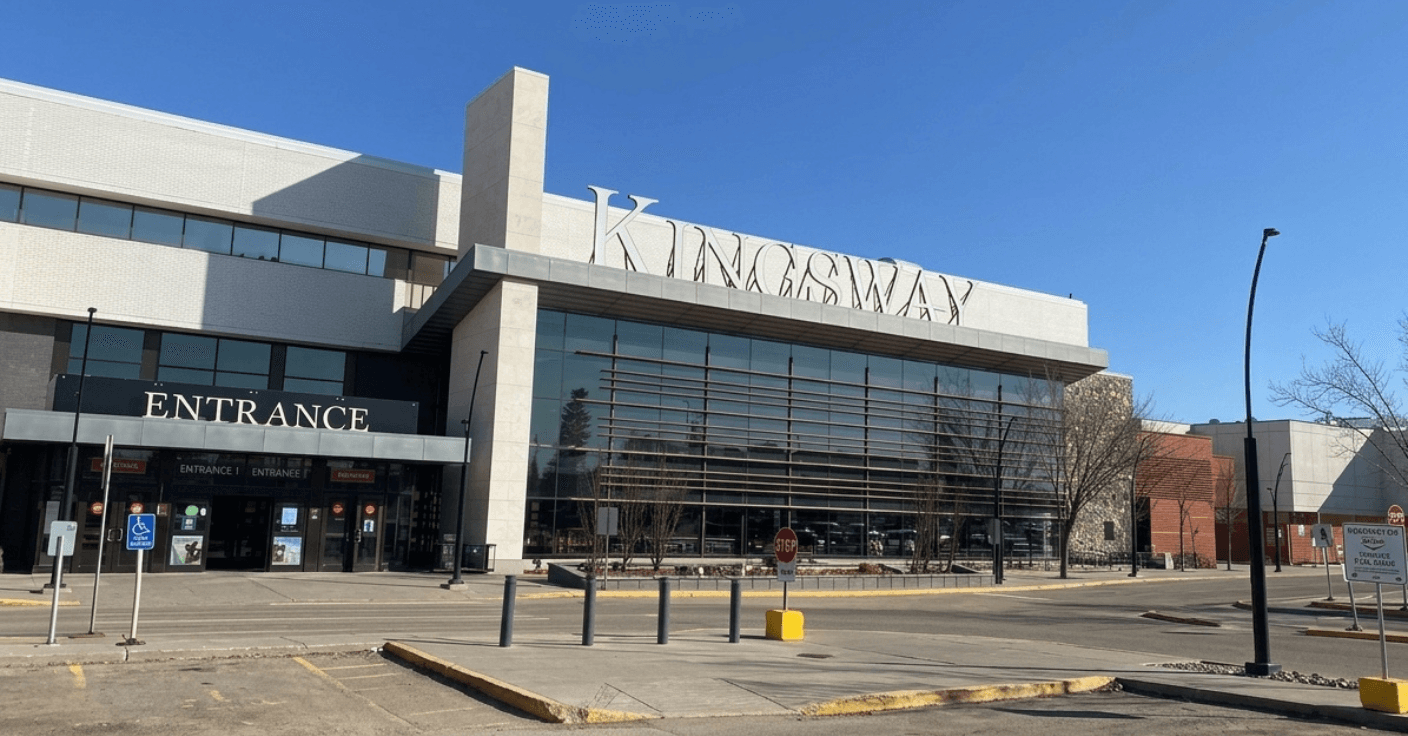
Kingsway Mall Sold: New Ownership Signals Fresh Chapter for Edmonton Alberta Landmark
Kingsway Mall sold after 26 years under Oxford Properties. Montreal's Westcliff takes over Edmonton's iconic 880,000-sq-ft shopping centre. What's next?
Sep 17, 2026
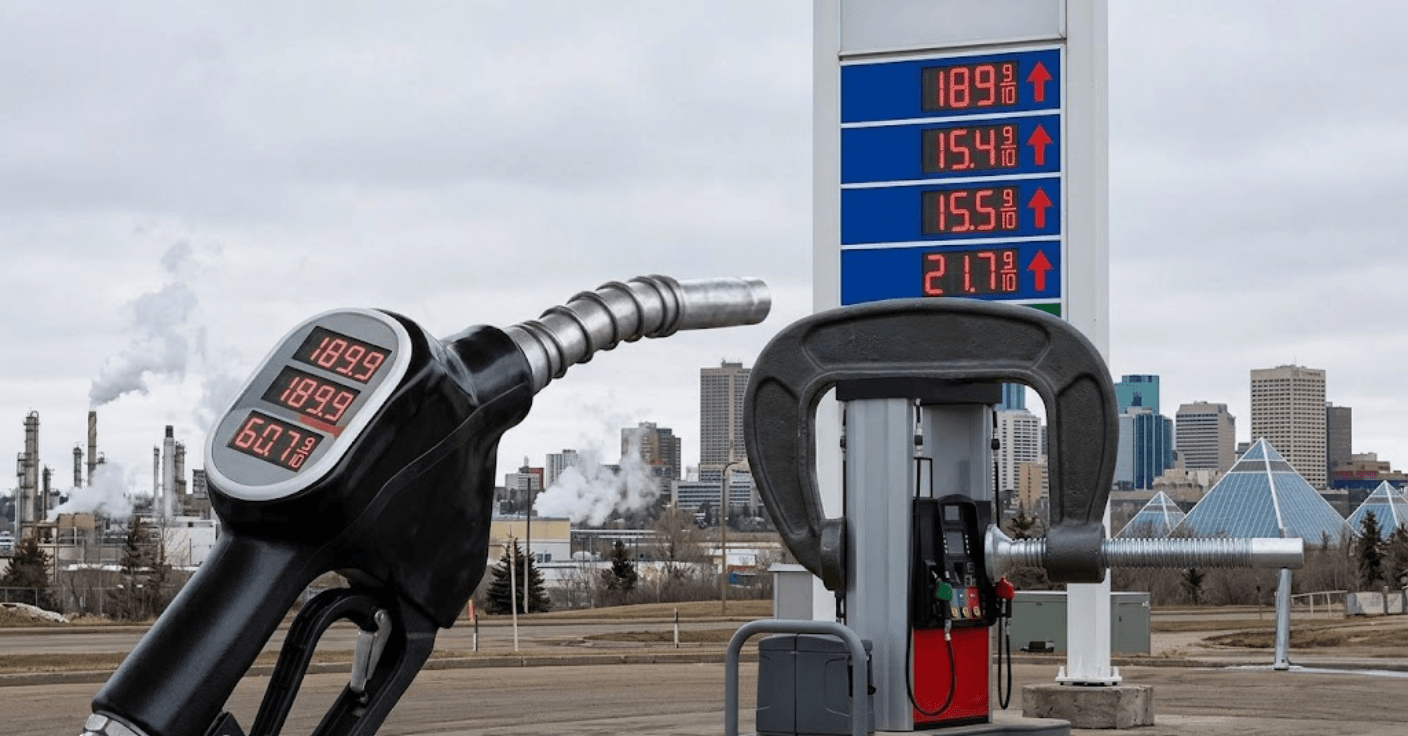
Gas Prices in Edmonton, Alberta Are Climbing Fast
Gas prices Alberta drivers pay are rising fast. See what's pushing Edmonton fuel prices higher and what it means for your wallet in 2025.
Sep 13, 2026
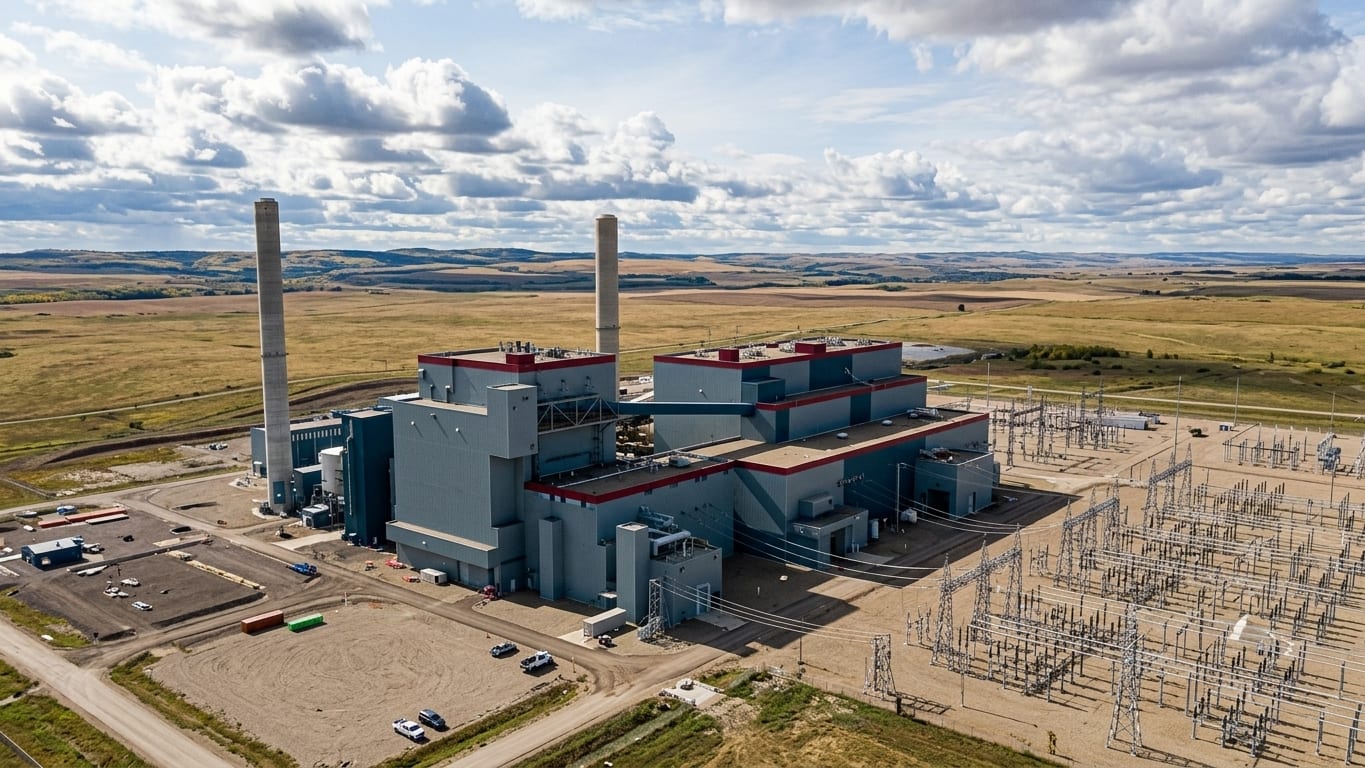
Carbon Capture Storage Hub Services in Edmonton, Alberta | CCS Hub Canada
Explore Alberta's expanding carbon capture storage hub network, from Edmonton's Wabamun project to the Origins CCS hub — Canada's largest CCS facility.

Sep 10, 2026
Meta AI Data Centre Coming to Edmonton Alberta | Sturgeon County Project
Meta AI data centre in Sturgeon County is reshaping Edmonton Alberta's economy with 3,000+ jobs and a $13B investment in Canada's AI future.
0 Comments
Join the conversation
Be the first to comment
Share your thoughts above.