
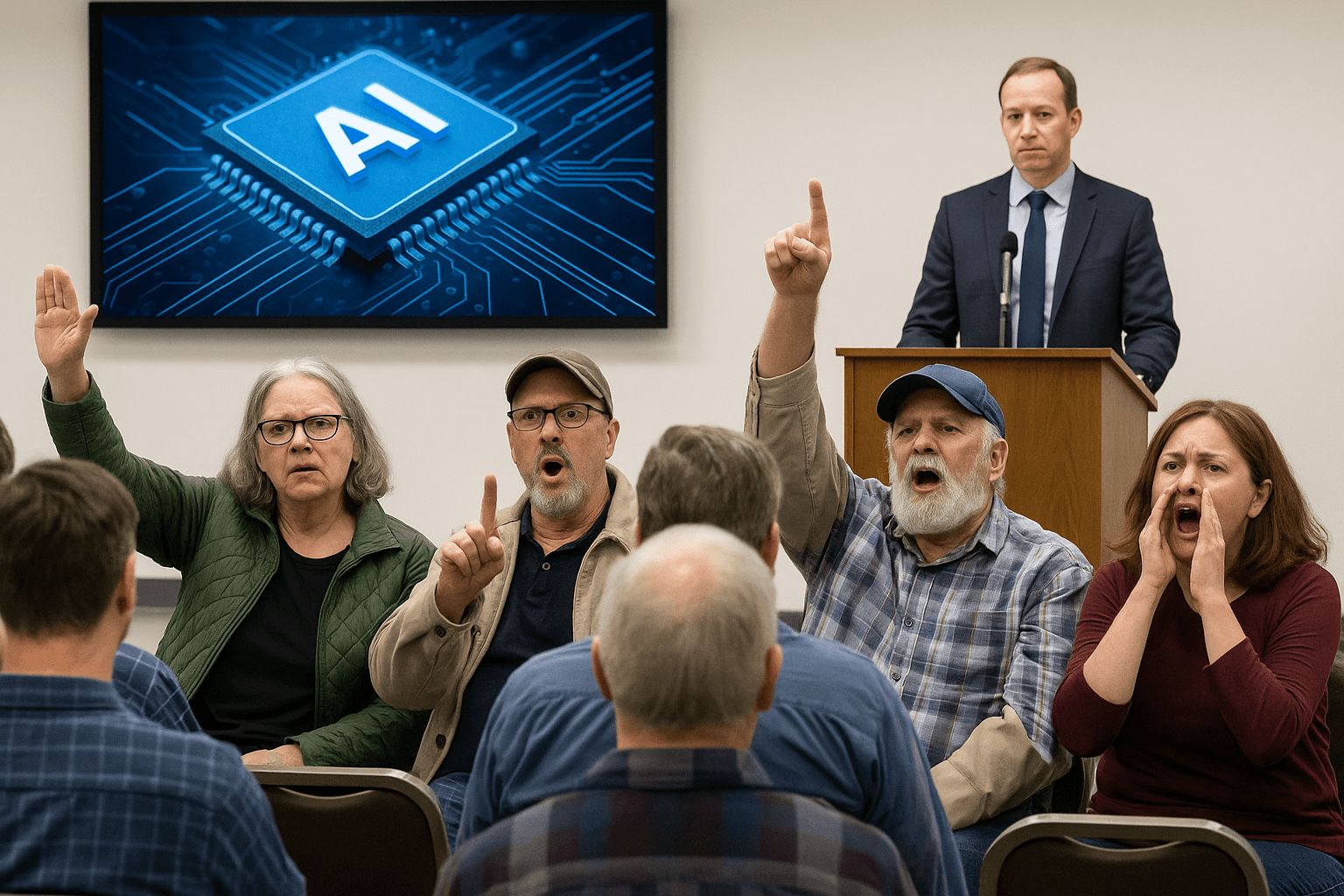
AI data centre town halls met with jeers, including one just north of Edmonton
Discover insights from the data center town hall and meta ai campus discussions
The conversation around AI data centers in Edmonton, Alberta has never been more heated or more urgent.
Recent data center town halls held in communities just outside the city swiftly turned into emotional venues where deep anxieties about the future clashed head-on with promises of technological progress.
As the Meta AI campus project looms, residents from local areas like Redwater and Lacombe showed up in force to make their voices heard.
According to recent reports, tempers boiled over during the town hall sessions, with some in the crowd jeering, booing, and even hurling profanity when provincial officials tried to quell concerns about regional impacts.
This public outcry comes as discussions ramp up over what the rise of large, energy-intensive AI data centers really means for the human and natural landscape of the Edmonton area.
Many attendees described a growing sense of frustration and helplessness as they listened to presentations about the immense resources these facilities will require.
The sharpest questions came around water and electrical usage.
Locals recounted how news of the Meta AI campus, a project set to transform hundreds of acres north of the city, has already sparked arguments over resource allocation and community priorities.
Some farmers, worried about drought conditions and unpredictable weather, pressed officials about how the amount of water needed to cool the vast halls of computer servers would impact local agriculture.
Others voiced alarm at recent estimates of how much electricity these AI data centers might consume, raising the specter of blackouts or forced upgrades to local power infrastructure.
Behind the technical jargon and futuristic promise, these were conversations rooted in everyday life.
Residents in attendance talked about small businesses facing price hikes, families worrying about their wells, and municipalities weighing the costs of new development against quality of life concerns. The mood was anything but casual.
One sharp exchange at the Redwater event underscored the real divide, between government reassurances about job creation and investment, and a public wary of losing control over land and local policy.
Some in the crowd reminded officials that similar projects elsewhere in North America have triggered housing price surges and strained public services, stoking fears that Edmonton could follow a similar path.
Amid the shouting and pointed questions, one thing was certain: these data center town halls have become a local flashpoint.
Provincial technology officials held fast to their messages, underscoring the unprecedented economic opportunities that large-scale AI development could bring.
They argued that the Meta AI campus and related investments would cement Edmonton’s place as a global technology hub, offering new jobs, tax revenues, and a chance to shape the future of artificial intelligence.
Yet for many in the audience, these assurances felt both too broad and too hopeful.
One attendee from Sturgeon County described the situation as an “inflection point”, a moment when communities must choose what kind of growth they’re willing to bear.
They noted that the vast scale of the current proposals dwarfs anything the region has seen, raising questions about who will really benefit and who might be left to cope with the side effects.
At the heart of the debate lies the question: how do you balance innovation with stewardship?
Edmonton’s municipal leaders have tried to emphasize safeguards, promising regular audits and tight environmental controls for any new AI data centers.
But even the best policies remain untested as global technology firms eye the region for mega-projects like the Meta AI campus.
Local business owners in Edmonton’s outer neighborhoods have taken a cautious approach to the news.
Some have started looking into ways to capitalize on possible economic spillover, expecting more customers as construction and eventual operation bring new faces to the area.
Others, however, worry about being priced out of their leases as land speculation heats up and demand spikes for commercial space.
Recent activity in northern industrial parks hints at mounting interest from real estate investors, fueling a quiet but persistent churn in the local property market.
Rental listings in the area have seen an uptick, and some housing developments outside Edmonton report faster-than-expected unit sales since the Meta AI campus plans were announced.
Meanwhile, environmental advocates pressed for more details, with several calling for transparent studies outlining the cumulative effects of new data centers on local aquifers and energy grids.
They argue that, without solid community oversight and regular reporting, there’s an ever-present risk that the costs, environmental and social, will outweigh the benefits.
At the latest town hall, the temperature in the room seemed to rise every time an official cited job figures or pointed to investments as proof of long-term prosperity.
Local residents countered with stories of previous large-scale projects where anticipated benefits never quite materialized as planned.
The distrust, some said, comes from experience, not just skepticism.
To bridge the widening gap, community organizers have proposed ongoing meetings and third-party monitoring panels to watch over water and power use, as well as promises from developers to hire locally wherever possible.
While the tone of recent data center town halls has been challenging for provincial leaders, some attendees have taken hope from the sheer turnout and the blunt honesty of the discussion.
One local official observed that real public engagement, even at its most contentious, forces public institutions to grapple with the ethical, practical, and emotional consequences of massive infrastructure projects.
Real estate agents in the city core and adjacent municipalities have reported a spike in inquiries from out-of-province buyers, many of them drawn by the promise of future technology jobs in the region.
Residential builders are also monitoring zoning and permitting talks closely, expecting that any surge in AI data center investment could shift long-range planning priorities in Edmonton and beyond.
Still, the question remains: Will the region’s infrastructure and resources keep pace with ambitions?
As the debate continues, both sides acknowledge the transformative potential of artificial intelligence, and the reality that any shift of this scale is rarely painless or universally popular.
The fate of AI data centers in Edmonton may hinge not only on technical solutions, but on an ongoing willingness to engage and adapt as challenges emerge.
The next round of town hall meetings and project updates will test whether developers, government, and communities can move from confrontation to collaboration.
The stakes, jobs, land, water, and the fabric of local life, are simply too high for easy answers. |
Oct 15, 2026
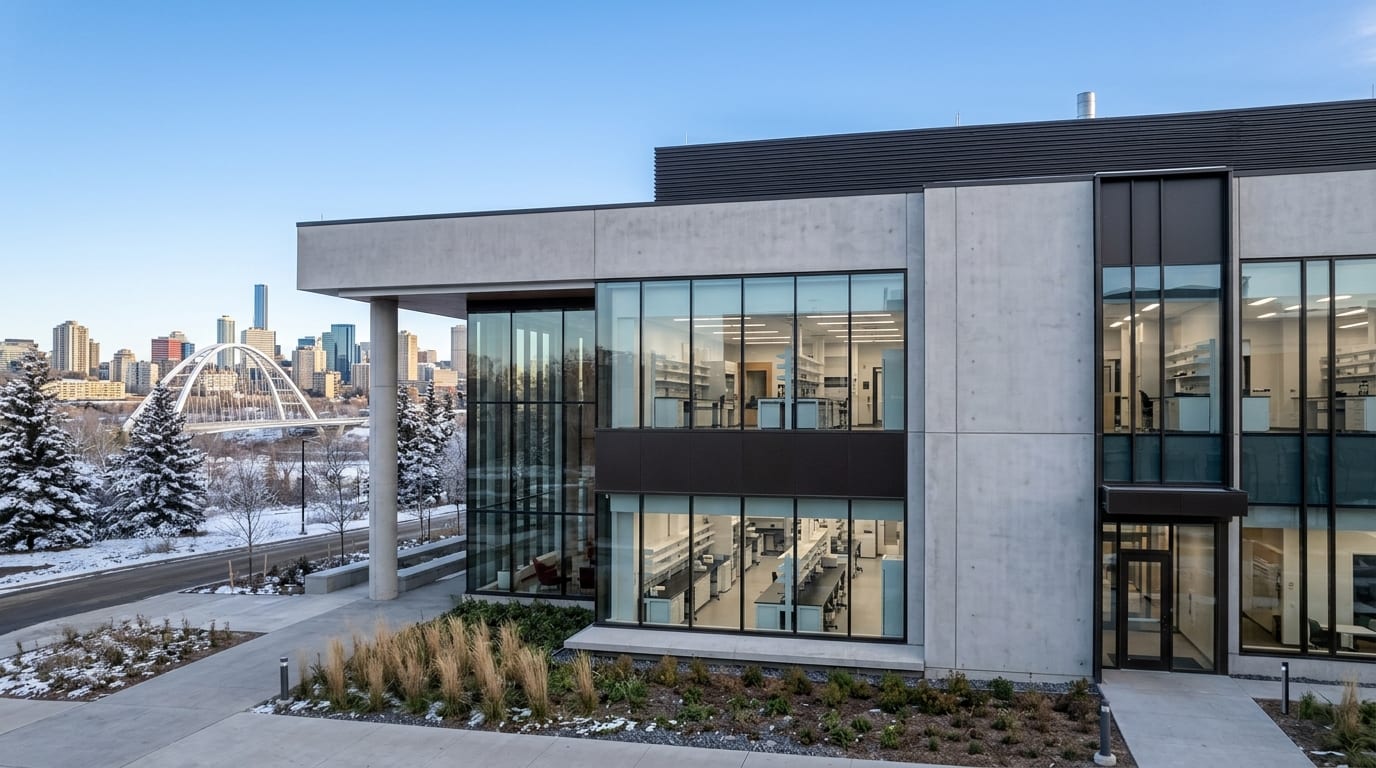
Deep Tech Foundry for Startups in Edmonton, Alberta
Edmonton's new deep tech foundry startup program helps science founders advance research commercialization into scalable companies.
Oct 12, 2026
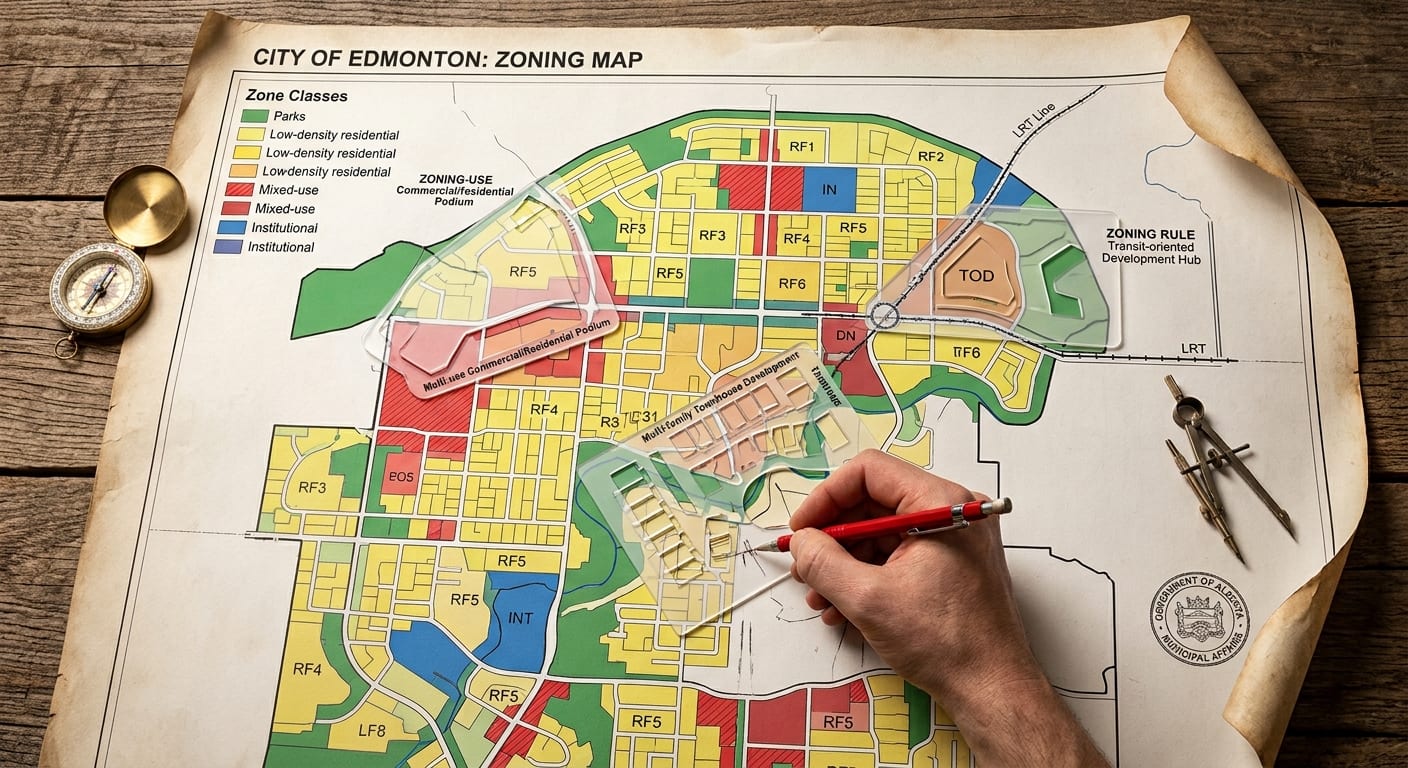
Alberta Zoning Rules Shaping Edmonton's Future: Parking and Density at a Crossroads
Alberta's Edmonton zoning bylaw rollback reinstates minimum parking requirements, raising urgent questions about housing affordability and city planning.

Oct 8, 2026
Electricity Franchise Fee Increase Coming to Edmonton — What It Means for Your Power Bill
Edmonton council voted 8-5 to raise the electricity franchise fee from 17.65% to 19.4%. Here's what the EPCOR franchise fee hike means for your power bill.
Oct 4, 2026
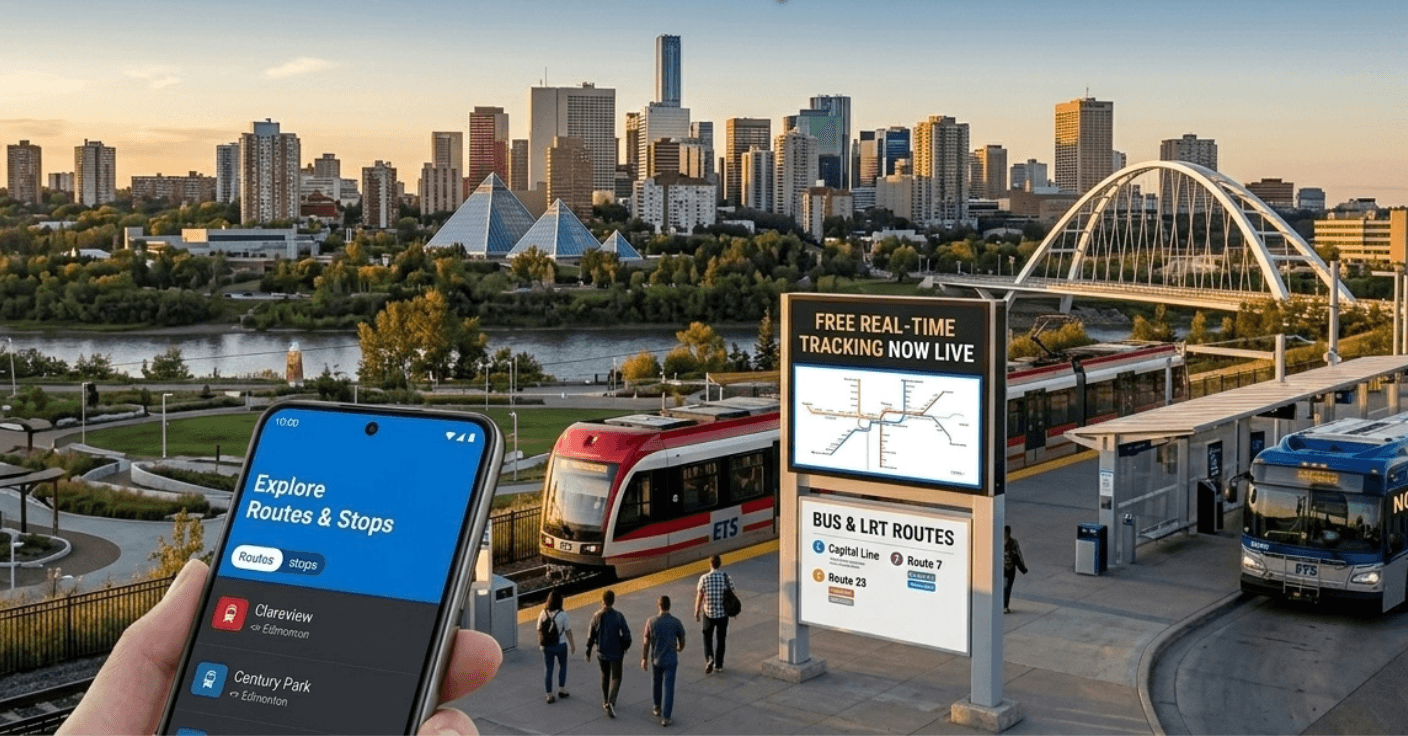
Transit App Free Features Now Available in Edmonton Alberta | ETS Upgrade
Explore transit app free features now unlocked for all Edmonton riders. Discover the latest Edmonton transit app upgrades and public transit improvements.
0 Comments
Join the conversation
Be the first to comment
Share your thoughts above.