
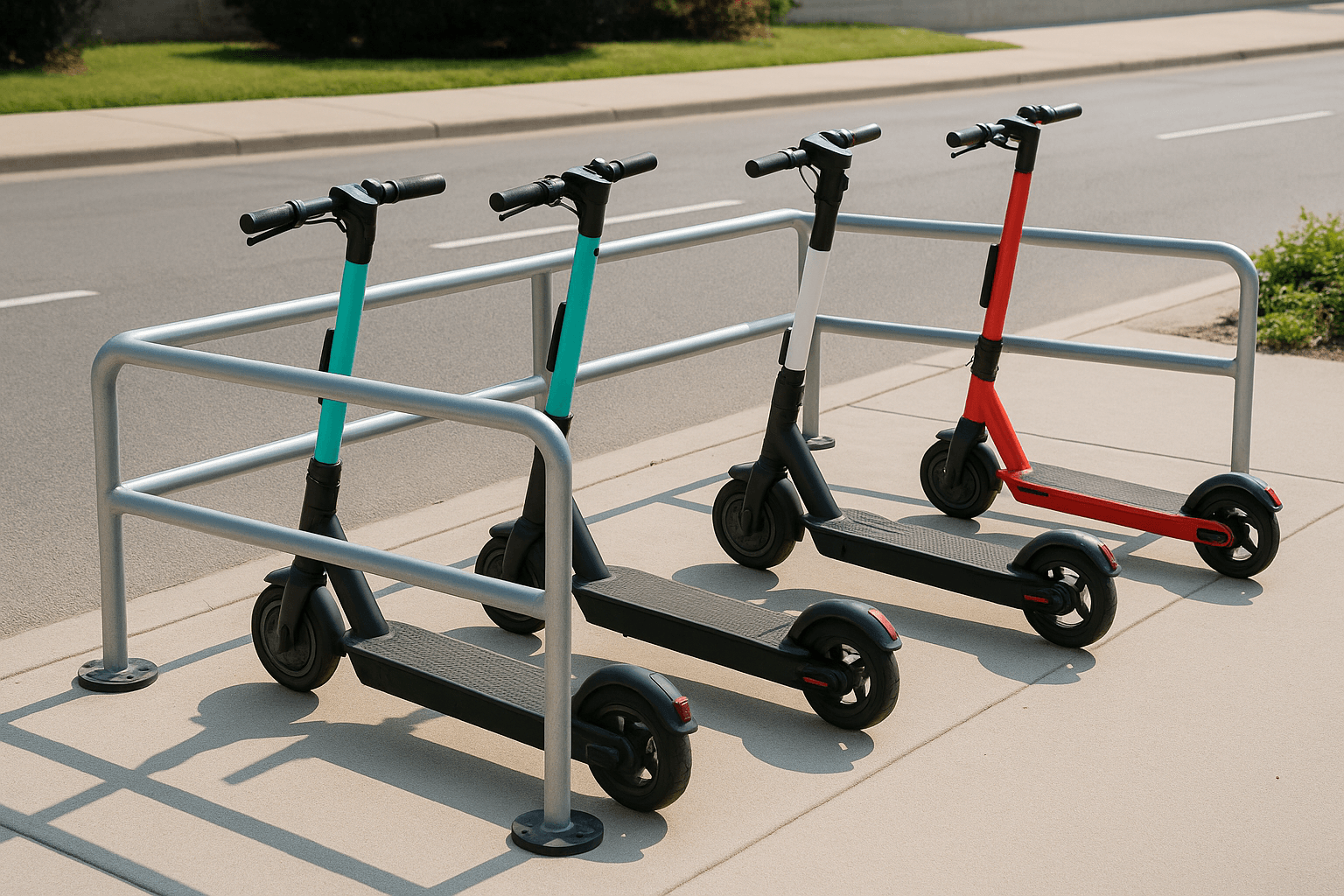
More E-Scooter Parking Corrals Likely Coming
Explore e-bike rentals and shared e-scooters for convenient urban travel
In the heart of Edmonton, the sight of bright e-scooters zipping along city streets has become an everyday reality.
Once a novelty, e-scooter rentals have now carved out a real niche in the city’s transportation scene.
Across downtown and radiating into busy neighborhoods, residents and visitors rely on quick, flexible rides for errands, commutes, or leisure.
It’s not just e-scooters — e-bike rentals have surged as well, offering an alternative that bridges the distance for those wanting a more active ride.
These shared e-scooters and e-bikes are making it easier to navigate Edmonton without the hassle of car ownership or the stress of parking.
According to recent reports, ridership numbers have soared since 2019, nearly tripling and exceeding well over a million trips each year.
This phenomenal growth is driving new conversations at City Hall.
Instead of exploring new restrictions, local leaders seem focused on turning the program into a permanent fixture with thoughtful improvements.
Many Edmontonians say the convenience of e-scooter rentals fits their fast-paced, urban lifestyles.
Work commutes, spontaneous lunch breaks, and even late-night outings have become more accessible, especially in districts like Old Strathcona and Oliver.
But with greater adoption comes a fresh set of questions.
Where should these devices be parked to avoid blocking sidewalks?
How can the city encourage safe riding around busy intersections and crowded plazas?
Recent council discussions have homed in on solutions that balance accessibility and order.
One proposal gaining traction is a network of dedicated parking corrals across key locations.
These designated drop zones are already being piloted in certain neighborhoods, aiming to keep walkways clear and rentals organized.
The city is also considering geofenced slow zones, where rental speeds automatically decrease in pedestrian-heavy areas.
For instance, popular shopping corridors could see speed limits enforced digitally through the scooter’s onboard systems.
This approach is intended to reduce conflicts and improve safety where foot traffic and scooter traffic intersect.
The conversation is far from hypothetical.
This spring, new parking trials rolled out near Whyte Avenue and Jasper Avenue, drawing public input through surveys and community forums.
Residents have shared both praise and frustration, with some applauding the city’s tech-forward spirit and others expressing concern about reckless riding.
Local business owners are watching closely, noting that convenient e-scooter rentals can help bring in new foot traffic — but only if devices don’t block shop entrances or clutter storefronts.
Coffee shops, restaurants, and boutique stores in the city core have all weighed in on how these services can either boost street vibrancy or pose headaches, depending on how regulations are enforced.
Several of Edmonton’s shared e-scooters and e-bike operators are also rolling out innovations.
Some have updated their fleets with sturdier frames and better lighting to help riders feel safer after dark.
Others have introduced app features encouraging users to upload a photo of their parked scooter — meant to prompt better habits and provide evidence in case of complaints.
This blend of technology and community input is shaping the future of e-mobility in Edmonton.
City planners say equity is on their minds, too.
Efforts are underway to expand access to neighborhoods beyond the downtown core, making e-bike rentals available for students at university campuses and older adults in suburban communities.
Transit integration is a hot topic, with possible plans to install more e-scooter parking options near LRT stations and major bus routes.
Advocates for sustainable transportation argue that these micro-mobility options are essential tools in reducing carbon emissions and easing traffic congestion.
They point to the flexibility of picking up an e-scooter for the "first and last mile" of a daily commute — for example, riding from home to a train station, then dropping off the device before catching the LRT.
This convenience, paired with Edmonton’s focus on innovation, could accelerate adoption even further in the years ahead.
Yet, for every enthusiastic rider, there are skeptics.
Some city residents have voiced worries about crowding on shared paths, unclear right-of-way rules, and the challenge of ensuring all users follow safety laws.
There is also ongoing concern around accessibility for those with mobility challenges, urging the city to prioritize clear, unobstructed sidewalks.
To address these, recent council workshops have brought together a diverse group of voices, from disability advocates to urban planners.
Ideas on the table include user education campaigns, stiffer fines for improper parking, and improved signage in busy thoroughfares.
Seasonal changes present yet another twist.
Edmonton’s winters are known to be unforgiving, raising the question of how long the micro-mobility season can reasonably last.
This year saw several providers returning earlier in the spring and extending services deep into the fall, experimenting with cold-weather tires and heated grips for those brave enough to ride on brisk mornings.
As climate change continues to shift the city’s weather patterns, the possibility of a longer riding season is increasingly on local minds.
New businesses have also seized the opening.
Several boutique shops and repair kiosks have sprung up around the University area, catering to riders seeking helmets, gloves, or quick tune-ups during peak season.
This ancillary industry is a reminder that the success of e-scooter and e-bike rentals is not just about the devices themselves but an evolving ecosystem supporting active urban living.
Some real estate developers are even marketing new apartment buildings with on-site e-scooter parking, recognizing that mobility amenities can appeal to younger renters and newcomers drawn to Edmonton’s green credentials.
Other community-led projects include neighborhood "charge-up" events, where residents can learn about safe riding and test-drive new models in controlled settings.
Among Edmonton’s youth, e-scooter rentals offer both practicality and a dash of fun, often cited in conversations about what makes central neighborhoods vibrant and appealing.
City staff hint that rules will continue to evolve.
All eyes are on City Council as they consider shifting from temporary pilot programs to long-term regulations — a move that could bring Edmonton closer to cities like Montreal and Calgary, where e-mobility has been firmly woven into the urban fabric.
Council members face the challenge of keeping downtown vibrant and commuter-friendly, while balancing traffic safety, accessibility, and neighborly goodwill.
This next chapter — with shared e-scooters, expanding e-bike rentals, and evolving local insights — promises to shape how Edmontonians move through their city in the coming years.
As one local resident summed up during a recent forum, "The question isn’t whether e-scooters belong in Edmonton, but how we build a city that makes them work for everyone." |
Sep 27, 2026
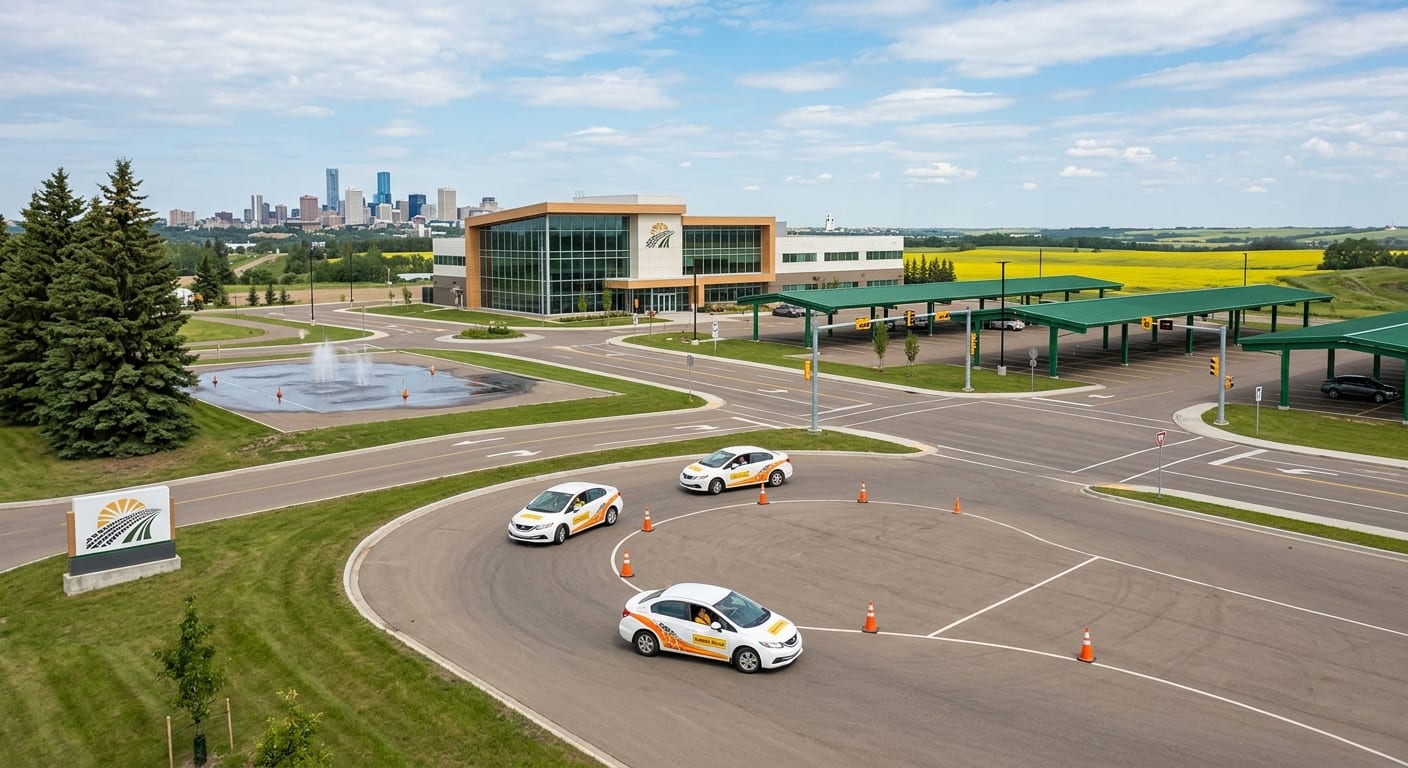
Driving Safety Training Campus Coming to Edmonton, Alberta
A new driving safety training campus is coming to Beaumont, backed by $38.5M in provincial funding infrastructure to serve the greater Edmonton region.
Sep 24, 2026
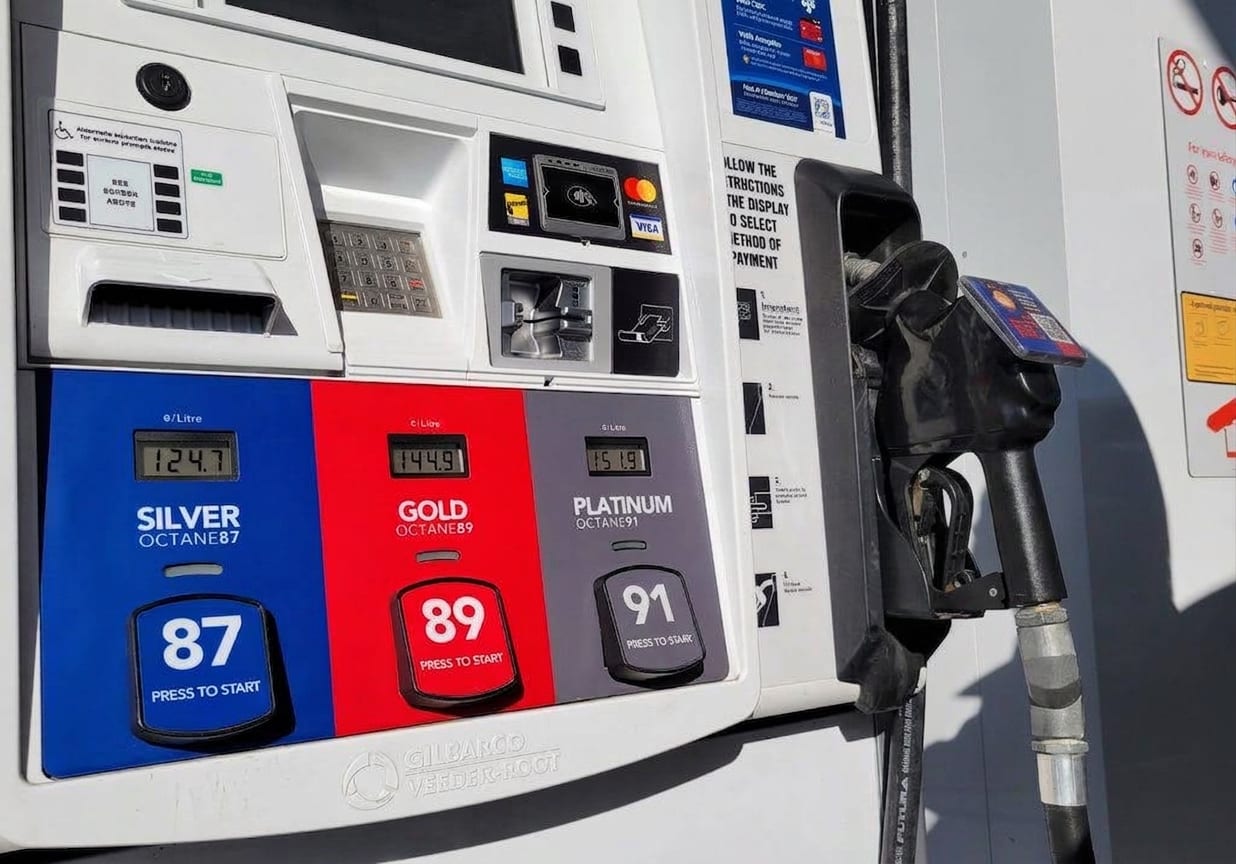
Alberta Fuel Tax Pause: What Edmonton Drivers Need to Know Through 2027
Alberta's provincial fuel tax suspension saves 13 cents per litre at the pump. See what the Alberta fuel tax pause means for Edmonton through 2027.
Sep 21, 2026
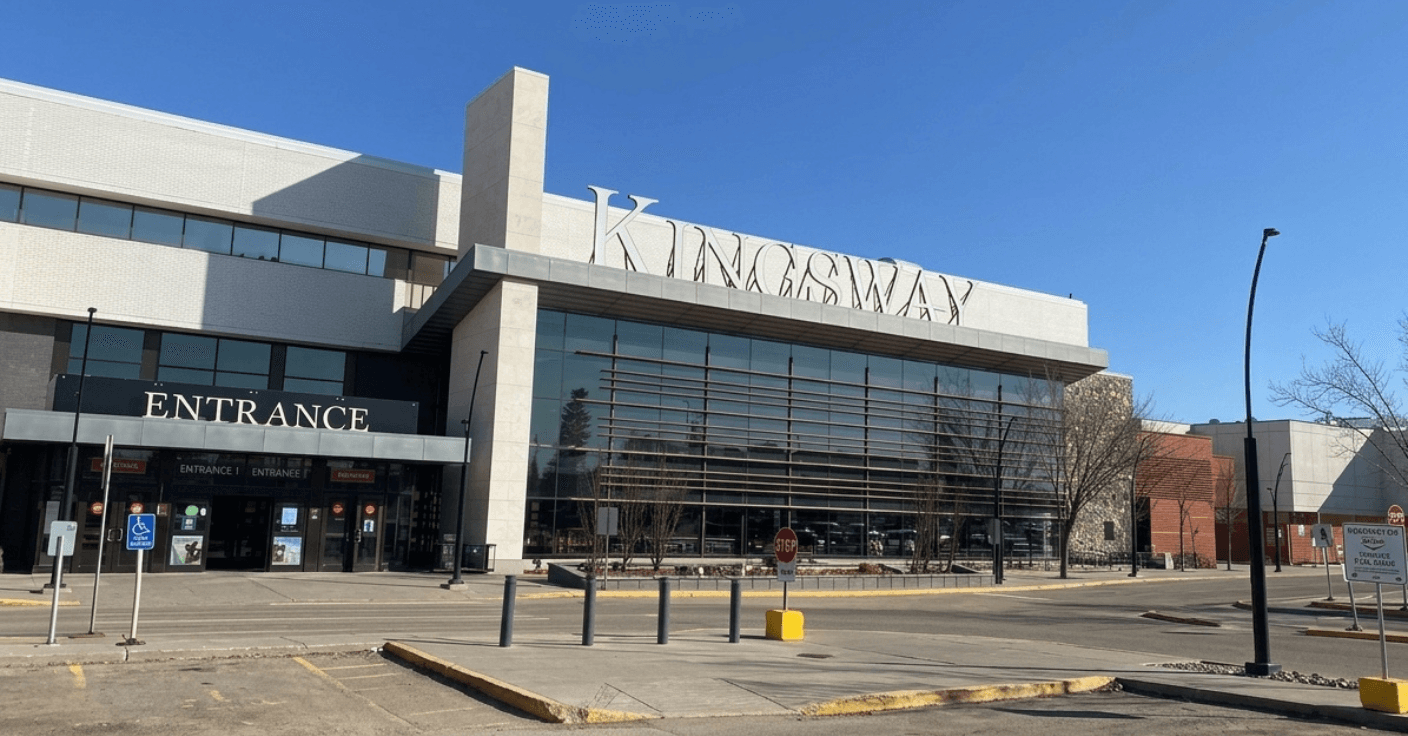
Kingsway Mall Sold: New Ownership Signals Fresh Chapter for Edmonton Alberta Landmark
Kingsway Mall sold after 26 years under Oxford Properties. Montreal's Westcliff takes over Edmonton's iconic 880,000-sq-ft shopping centre. What's next?
Sep 17, 2026
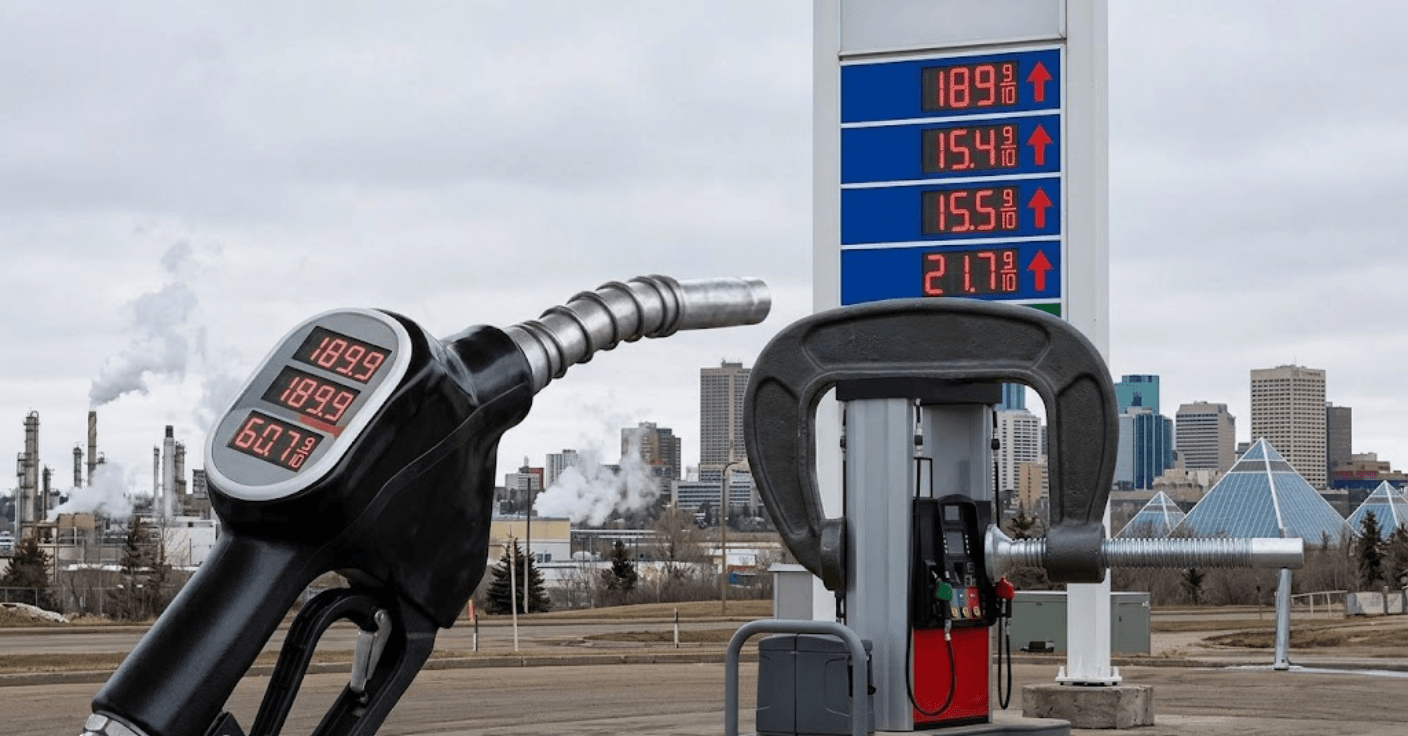
Gas Prices in Edmonton, Alberta Are Climbing Fast
Gas prices Alberta drivers pay are rising fast. See what's pushing Edmonton fuel prices higher and what it means for your wallet in 2025.
1 Comment
Join the conversation
How about a drivers license like a motorcycle insurance and a helmet and a license plate? And what about drinking and driving??