

Pre-treatment beds for addiction recovery set to open in Edmonton
Expanding addiction recovery beds with dedicated treatment funding across the region
Edmonton has long sat at a painful crossroads in Alberta's addiction crisis — and now, a surge of provincial investment is beginning to reshape what recovery actually looks like for thousands of residents still fighting their way back.
The provincial government has committed more than $330,000 to fund 140 pre-treatment beds addiction recovery programs in Edmonton, marking a significant push to close a gap that frontline workers have flagged for years.
These are not treatment beds in the traditional sense.
Pre-treatment beds occupy a critical, often-overlooked space in the recovery continuum — designed specifically for individuals who have already completed detox but are waiting to enter a formal addiction treatment program.
Without somewhere safe and structured to land during that waiting period, the risk of relapse spikes dramatically.
Officials confirmed that the new beds will be operated through a local organization with deep roots in the sober living and peer-support model, offering around-the-clock on-site assistance for clients navigating one of the most vulnerable stretches of their recovery journey.
Addiction counsellors and recovery coaches will work directly with residents to build the practical skills needed to stay sober, understand their treatment options, and prepare mentally and emotionally for the next stage ahead.
According to recent reports, the province has identified Edmonton as a community bearing a disproportionate share of opioid-related harm — accounting for more than half of all opioid-related deaths recorded across Alberta.
That statistic alone underscores why targeting Edmonton for expanded pre-treatment capacity is not just strategic — it is urgent.
A distinctive feature of this initiative is its gender-specific design.
One of the pre-treatment homes will serve women exclusively, while the other will support men, ensuring that both groups receive a safer, more tailored environment as they work toward placement in a full addiction treatment program.
Residents say that kind of thoughtful structuring can make a real difference — particularly for women, who often face layered barriers including trauma histories that require a more sensitive approach to care.
Oxford House Foundation, the Edmonton-based organization spearheading the initiative, brings a model rooted in lived experience.
The executive director of the organization spent seven years in severe addiction and homelessness before rebuilding his life and channeling that journey into founding a housing-first recovery model that has since supported hundreds of Albertans.
His story is not just a backdrop to this announcement — it is the blueprint for it.
Since 2023, a similar pre-treatment program operated by the same organization in Calgary has helped support nearly 1,200 Albertans through the transitional phase of recovery — a track record that makes the case for replicating the model in Edmonton both compelling and practical.
The new Edmonton beds represent the next chapter of that expansion, bringing the pre-treatment model northward with dedicated addiction treatment funding behind it.
Alberta's shift toward a recovery-oriented system of care began taking shape in 2019 and has since evolved into one of the more ambitious provincial frameworks in the country.
The philosophy driving it is straightforward: recovery is possible, abstinence-based support works, and the system should be structured to meet people at every stage of their journey rather than letting them fall through the cracks between services.
Recovery Alberta, the dedicated provincial body now overseeing mental health and addiction services, was formally established in September 2024 as part of that broader restructuring — a move that signaled just how seriously the province has committed to overhauling care delivery from the ground up.
The pre-treatment beds announcement sits within that larger architecture, filling a structural gap that has historically caused people to abandon recovery simply because the wait between detox completion and treatment entry was too long and too unsupported.
For many, that gap was the difference between staying sober and starting over.
On a regional scale, the investment in addiction recovery beds across Edmonton reflects a pattern of escalating provincial commitment to address the crisis at multiple intervention points simultaneously.
The Aurora Centre on Stony Plain Road in northwest Edmonton, which began accepting clients in late 2024 following a major provincial investment exceeding $13 million, expanded the George Spady Society's capacity significantly — adding withdrawal management beds and pre-treatment spaces and positioning the facility to serve thousands of individuals each year.
That expansion alone increased the organization's treatment bed capacity by nearly half — a substantial leap that residents and community advocates had been pushing for over multiple years.
Looking further ahead, Budget 2025 has set an even more ambitious course.
The provincial government announced plans to spend $180 million over three years to build two large-scale compassionate intervention centres — one in Edmonton and one in Calgary — each designed to hold 150 treatment beds and serve individuals with complex addiction needs who may require a more structured or involuntary form of care.
The Northern Alberta Compassionate Intervention Centre, slated for Edmonton, would represent one of the most significant single investments in addiction infrastructure the city has seen in decades.
The scale of that commitment marks a clear turning point in how Alberta approaches addiction not just as a health issue, but as a public safety and social infrastructure priority.
For Edmontonians on the ground, though, it is the immediate availability of pre-treatment beds — the smaller, quieter, less headline-grabbing end of the spectrum — that can make the difference right now.
Recovery does not happen in a straight line, and the transition between detox and formal treatment has long been where the system loses people who are, in many cases, the most motivated they will ever be to change.
Providing a structured, supported, and sober environment during that waiting period gives people something they rarely have enough of: time to stabilize without losing momentum.
Addiction counsellors who work with clients in these transitional settings consistently point to the same truth — that the difference between relapse and recovery during a waiting period is often access to community, accountability, and a safe roof.
The 140 pre-treatment beds now coming to Edmonton offer exactly that.
As Edmonton continues to feel the weight of Alberta's opioid crisis more acutely than any other region in the province, coordinated investment in every layer of the recovery pipeline — from detox to pre-treatment to full residential addiction treatment funding — has never been more necessary.
Community advocates who have spent years calling for exactly this kind of investment say the announcement represents more than a policy shift — it reflects a growing recognition that addiction recovery is not a personal failing to be managed quietly but a public health challenge that demands public solutions.
The model emerging in Edmonton draws on peer support, structured routines, and community accountability — tools that research and lived experience both confirm as essential to long-term sobriety.
When someone exits detox and finds themselves with nowhere stable to go, no daily structure, and no recovery community around them, the pull back toward substance use can feel overwhelming.
Pre-treatment beds change that equation by ensuring that no one walks out of detox into a void.
The broader lesson Edmonton is teaching the rest of Canada is that bridging the gaps between services matters just as much as the services themselves — and that addiction treatment funding must flow into every phase of the recovery journey, not just the most visible ones. What was once a patchwork system with critical gaps is beginning to look, slowly but unmistakably, like a continuum. |

Sep 27, 2026
Driving Safety Training Campus Coming to Edmonton, Alberta
A new driving safety training campus is coming to Beaumont, backed by $38.5M in provincial funding infrastructure to serve the greater Edmonton region.

Sep 24, 2026
Alberta Fuel Tax Pause: What Edmonton Drivers Need to Know Through 2027
Alberta's provincial fuel tax suspension saves 13 cents per litre at the pump. See what the Alberta fuel tax pause means for Edmonton through 2027.
Sep 21, 2026
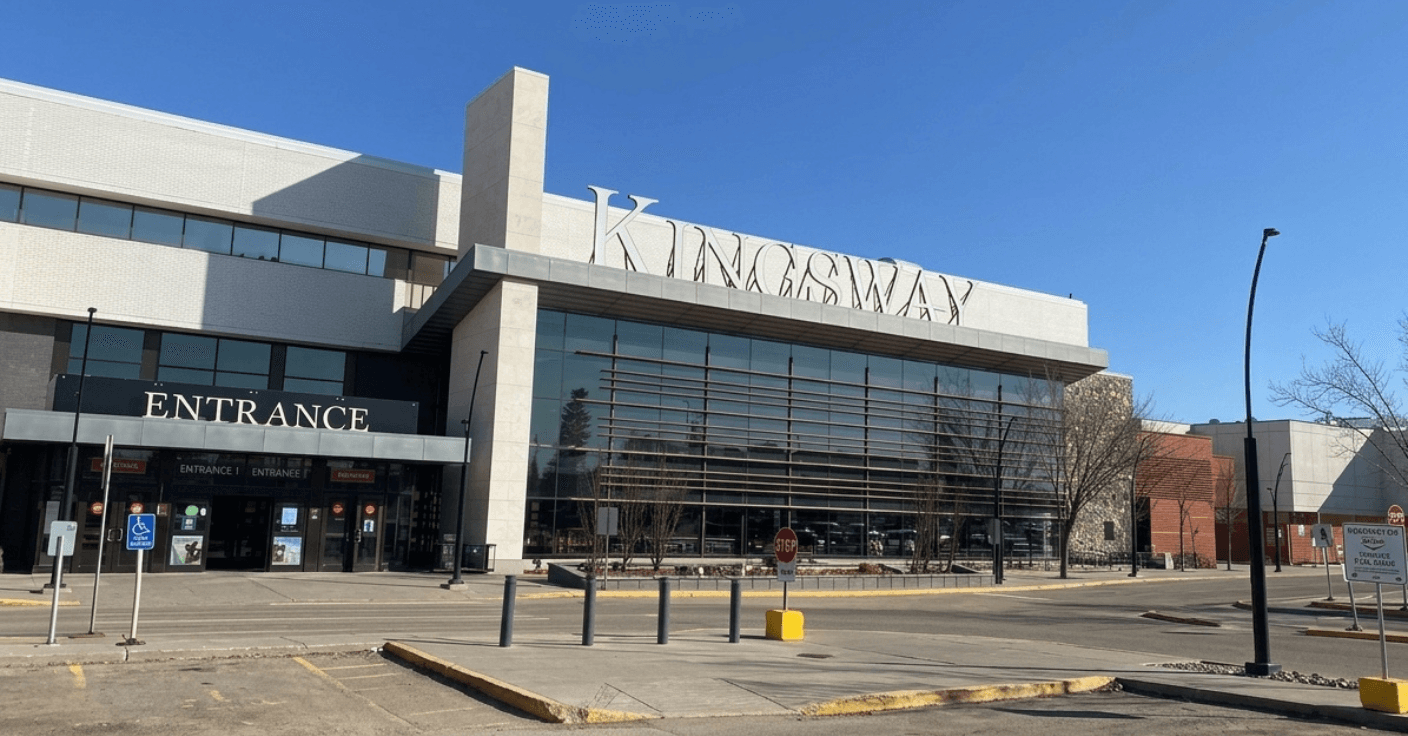
Kingsway Mall Sold: New Ownership Signals Fresh Chapter for Edmonton Alberta Landmark
Kingsway Mall sold after 26 years under Oxford Properties. Montreal's Westcliff takes over Edmonton's iconic 880,000-sq-ft shopping centre. What's next?

Sep 17, 2026
Gas Prices in Edmonton, Alberta Are Climbing Fast
Gas prices Alberta drivers pay are rising fast. See what's pushing Edmonton fuel prices higher and what it means for your wallet in 2025.
0 Comments
Join the conversation
Be the first to comment
Share your thoughts above.