
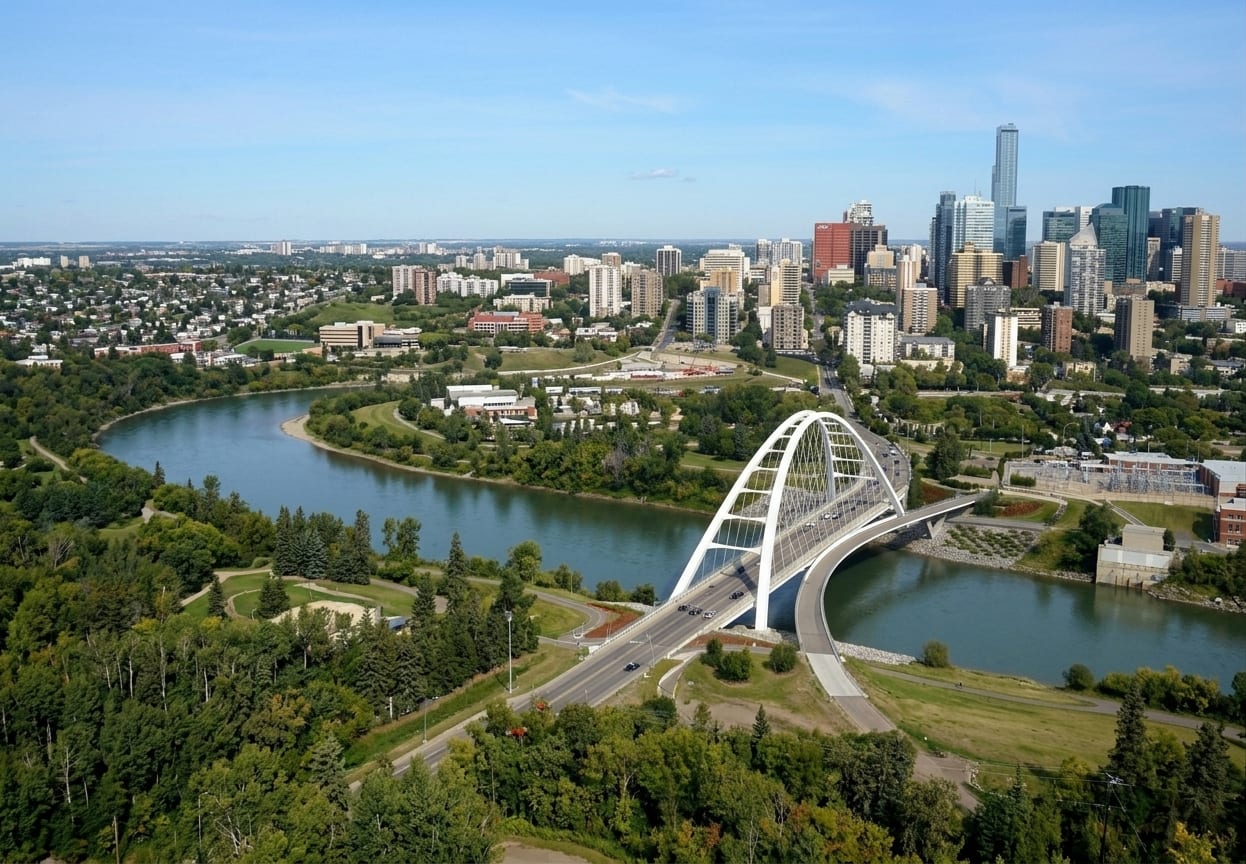
Council Locks in Budget Timeline as Power Bills Set to Rise
A closer look at the draft four-year budget and rising electricity rates affecting households
Every few years, Edmonton city council embarks on one of its most consequential exercises in democratic governance — the construction of a multi-year spending plan that touches virtually every corner of daily life in the city.
This fall, that process is moving into high gear, and residents would be wise to pay close attention.
The Edmonton city budget 2025 cycle has evolved into a sprawling, multi-phase undertaking, and the decisions being locked in now will shape property taxes, city services, utility bills, and neighbourhood infrastructure for years to come.
At the center of it all is the upcoming release of the draft four-year budget — a document expected to land on November 2, when the city will simultaneously publish its capital, operating, and climate spending plans.
That date also marks the opening of registration for the non-statutory public hearing, giving Edmontonians their formal opportunity to weigh in before council makes final decisions.
The stakes could not feel more immediate for households already stretched thin by years of consecutive tax increases.
Public hearings are scheduled to begin on November 23, with full council approval of the budget targeted for December 18 — a compressed but familiar timeline that typically generates its share of last-minute drama on the council floor.
Edmonton uses a four-year planning cycle — a model designed to provide stability and predictability for city departments, contractors, and residents alike.
Rather than renegotiating the entire budget annually, council approves a multi-year framework at the outset and then makes incremental adjustments twice a year as conditions evolve.
In theory, it smooths out volatility.
In practice, each new four-year cycle tends to arrive against a backdrop of financial pressure that makes the process feel anything but routine.
The most recent completed cycle saw council approve a 6.9 per cent property tax increase for 2026 — a figure that, while lower than some earlier projections, still represented a significant burden for the average homeowner.
Under that approved budget, a typical Edmonton household is now paying roughly $816 in municipal property taxes for every $100,000 of assessed home value in 2026, a jump of $53 compared to the prior year.
For a household with a home assessed at just under half a million dollars, that translates to over $300 per month flowing to the city to fund roads, transit, parks, emergency services, and a long list of other municipal programs.
Officials and budget watchers alike have flagged several structural factors that will continue to drive spending upward in the years ahead.
Edmonton's rapid population growth means more roads, more neighbourhoods, and more demand for snow removal, transit, and recreation — all of which carry ongoing operating costs that compound over time.
Provincial funding cuts have also created a notable gap in infrastructure renewal capacity, with one senior councillor recently describing the reduction as slashing renewal investment by roughly two-thirds — a shortfall that is contributing directly to a growing infrastructure deficit.
That deficit does not disappear by waiting — it compounds.
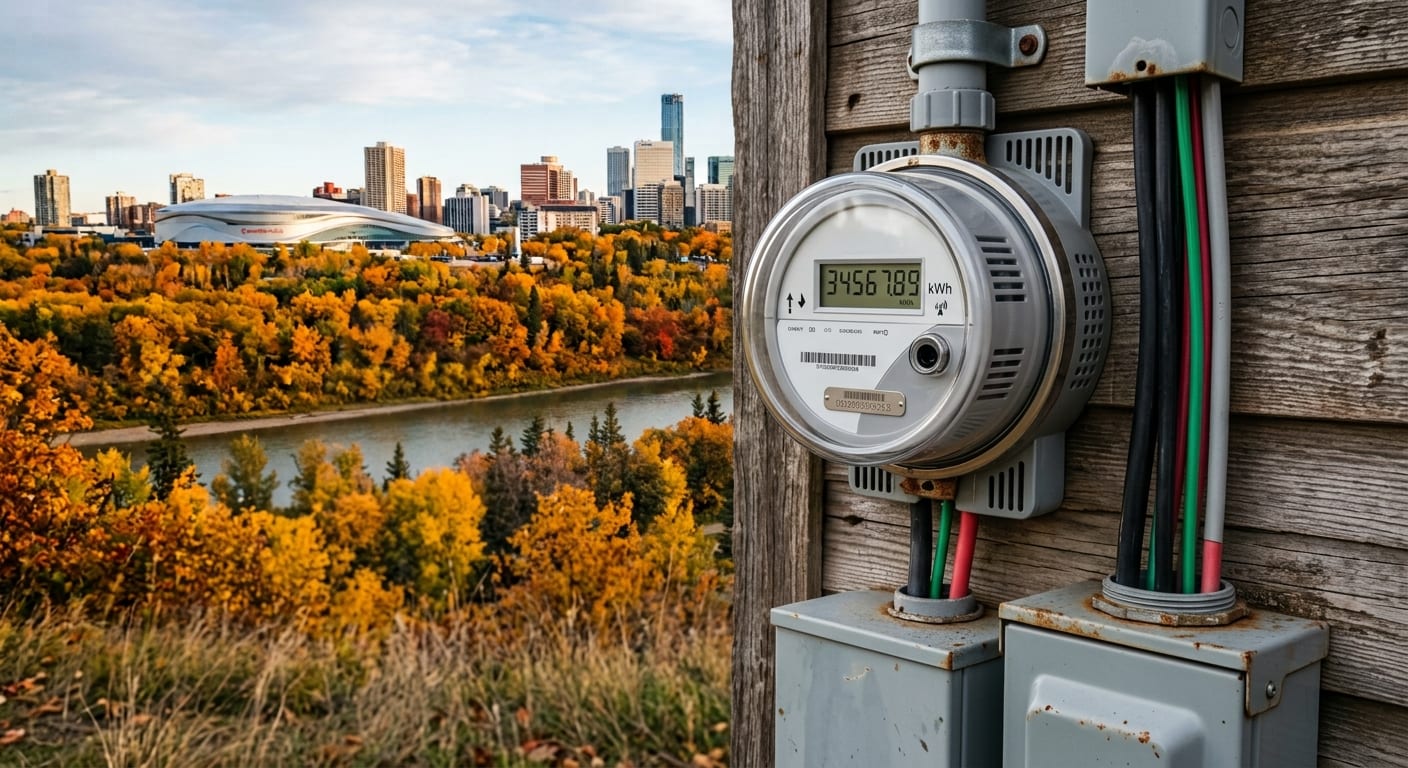
Alongside the draft four-year budget, a separate but related issue has already been settled: Edmonton electricity rates are set to climb, and council's decision is now locked in.
In a vote that drew significant attention, council approved raising the electricity franchise fee charged to EPCOR — the city's primary power distributor — from 17.65 per cent to 19.4 per cent of electricity distribution charges.
The change takes effect January 1, 2027, and will be passed along to customers through their monthly bills.
The franchise fee — which appears as the Local Access Fee on most Edmonton power bills — is what the city charges EPCOR for the exclusive right to operate electricity distribution infrastructure within city limits.
It is one of several tools the city uses to generate non-tax revenue, offsetting some of the costs incurred when roads must be excavated to access underground utilities.
The increase to 19.4 per cent represents a compromise between the status quo and the maximum rate of 20 per cent that the Alberta Utilities Commission permits — a ceiling that the city's own utility committee had originally proposed hitting.
At the maximum 20 per cent rate, the typical monthly franchise fee for a residential customer would have climbed from approximately $9.06 to over $10.27.
The approved rate of 19.4 per cent lands meaningfully below that ceiling, adding roughly $1.21 per month for an average household — an amount that sounds modest in isolation but will be felt across the entire ratepayer base.
For large commercial users — office towers, post-secondary institutions, entertainment complexes — the increase is considerably more pronounced, with some entities facing five-digit monthly cost jumps.
The franchise fee increase also brings Edmonton in line with rates charged in Calgary, a point that proponents of the hike cited as justification for moving away from the historically lower local rate.
Critics argued the timing was poor, given the cumulative weight of utility costs already facing residents and businesses.
The electricity rate decision was not the only controversial item council handled in the same session.
In a notably close 7-6 vote, council opted to keep the existing 25-cent fee on paper bags at drive-through restaurants — a measure first introduced as part of the city's single-use item bylaw and one that has faced persistent pushback from a vocal segment of the public and some business groups.
Officials defending the fee pointed to data showing that single-use waste in Edmonton has dropped by approximately 30 per cent since the bylaw came into force in 2023, including a measurable decrease in paper bag usage overall.
The seven-to-six margin underscores how genuinely divided council remains on environmental fees that intersect with consumer affordability concerns.
That division is likely to resurface during the draft four-year budget deliberations, where every line item will be scrutinized through the dual lens of fiscal responsibility and resident impact.
According to recent reports, the upcoming budget cycle will also require council to grapple with a structural mismatch between non-residential property tax growth and the pace of population expansion — a gap that has historically placed disproportionate pressure on residential taxpayers to fill.
Slower growth in non-tax revenues, including transit fares, recreation fees, and grants, adds another layer of complexity to a budget that must balance competing demands across a geographically sprawling and rapidly growing city.
Residents who want to influence the outcome have a clear window: registration for the public hearing opens November 2 alongside the draft budget release, and the hearings themselves begin November 23.
Anyone who has an opinion on service levels, tax rates, or how the city spends its money has the formal opportunity to make that voice heard — in writing or in person before council.
City officials have emphasized that the multi-year format is meant to give Edmontonians greater predictability, so they can plan their own household finances with some sense of what municipal costs will look like over the coming years.
Whether the approved budget ultimately delivers on that promise of predictability will depend heavily on what council chooses to prioritize — and what it is willing to cut — when the deliberations heat up in late November.
What is already clear is that the combination of rising Edmonton electricity rates, persistent property tax pressure, and a growing infrastructure gap means the Edmonton city budget 2025 planning cycle will be one of the more consequential in recent memory. |
Oct 19, 2026
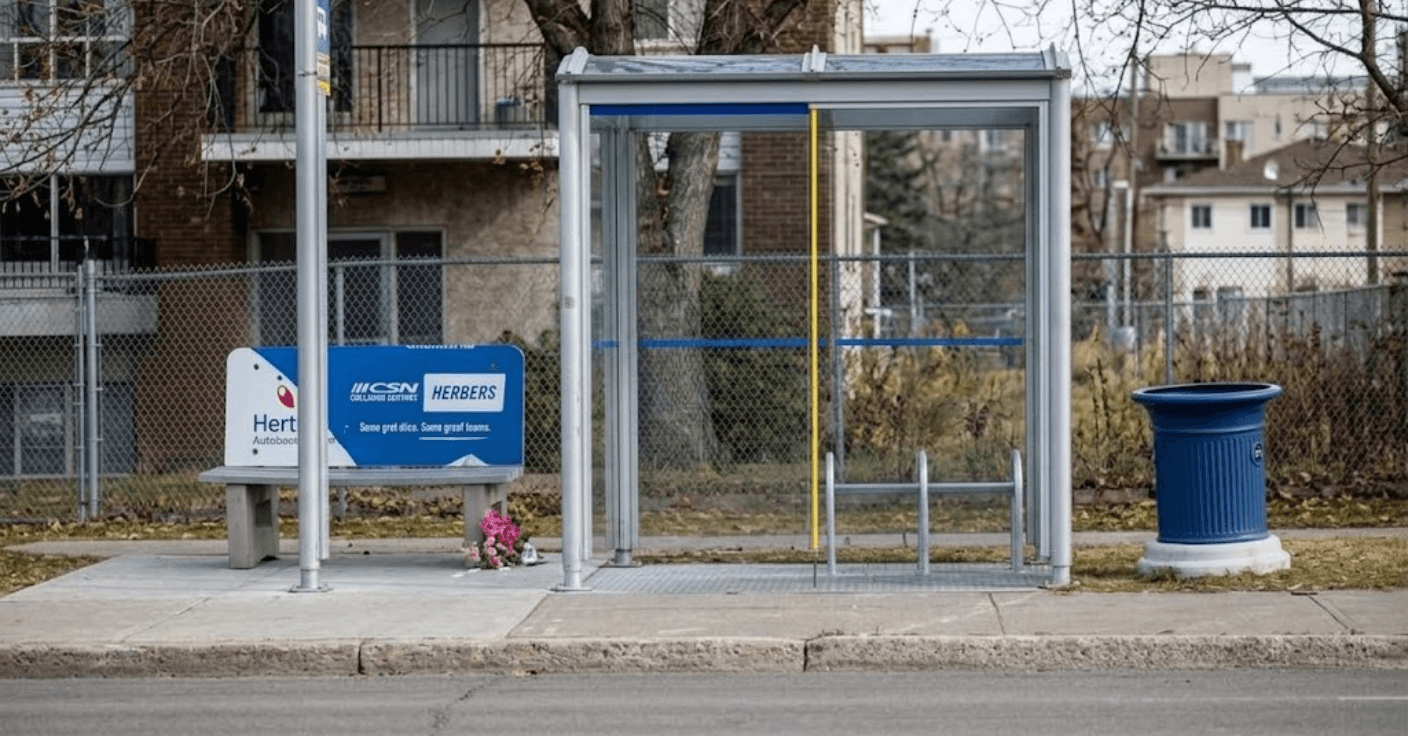
Fatal Motorcycle Crash in Edmonton Sparks Push for Traffic Safety
A fatal motorcycle crash in Edmonton reignites calls for traffic safety measures as excessive speeding claims a life and injures a baby at a bus shelter.
Oct 15, 2026
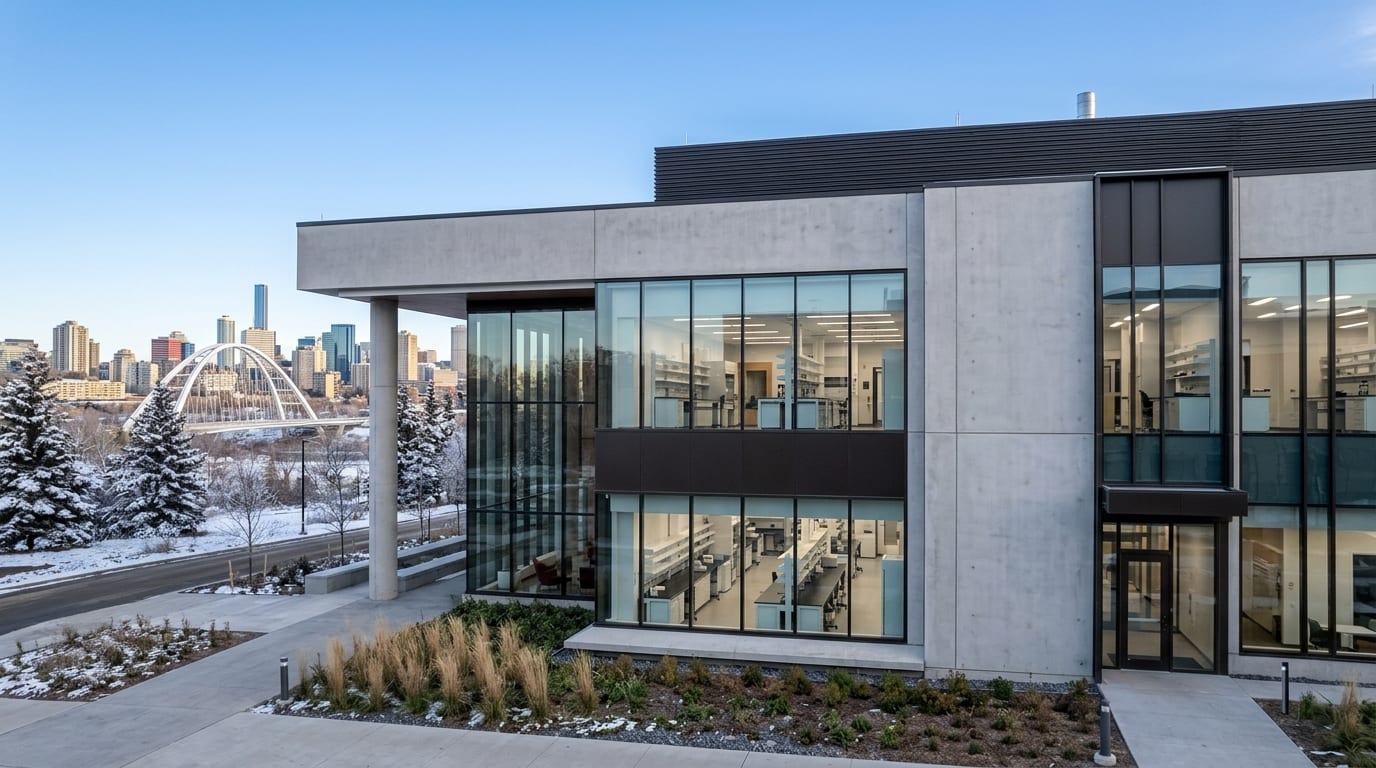
Deep Tech Foundry for Startups in Edmonton, Alberta
Edmonton's new deep tech foundry startup program helps science founders advance research commercialization into scalable companies.
Oct 12, 2026
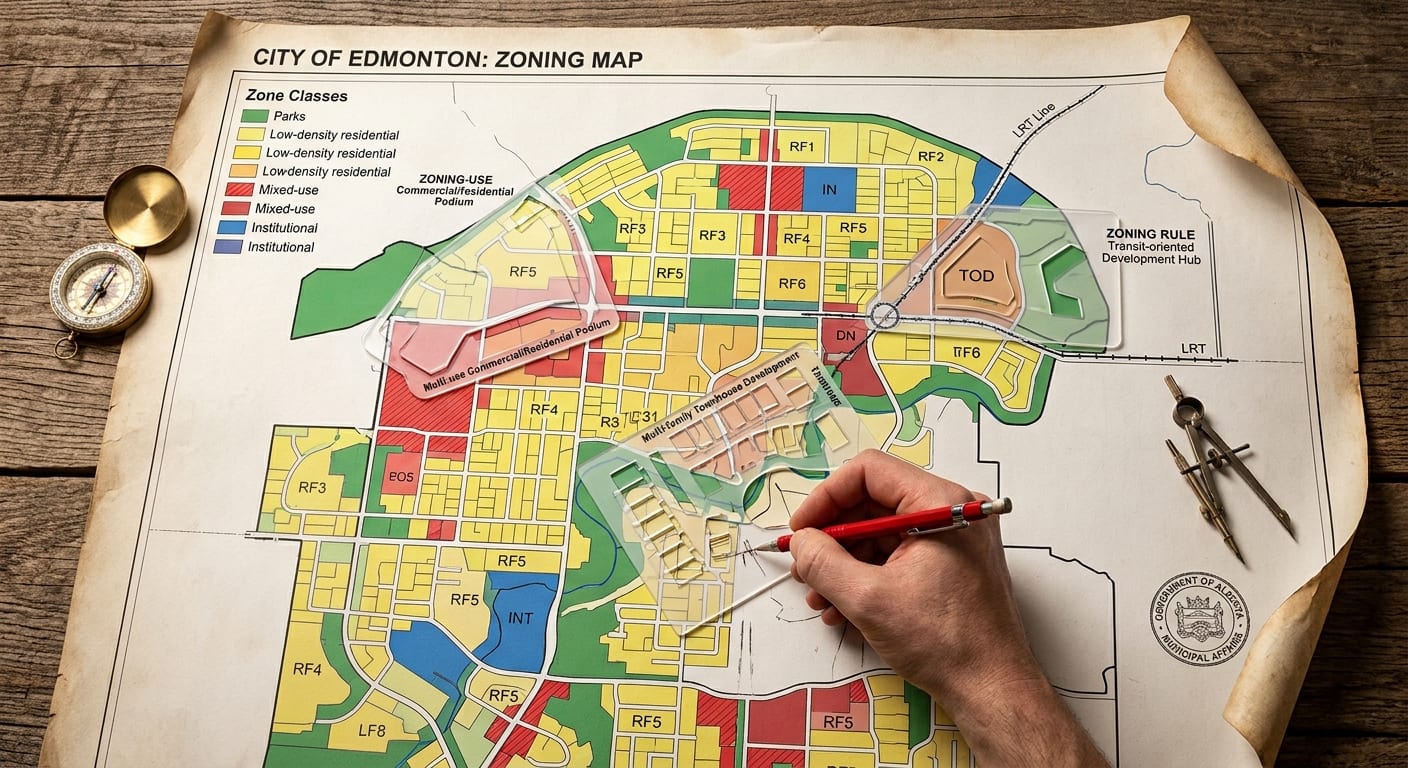
Alberta Zoning Rules Shaping Edmonton's Future: Parking and Density at a Crossroads
Alberta's Edmonton zoning bylaw rollback reinstates minimum parking requirements, raising urgent questions about housing affordability and city planning.
Oct 8, 2026
Electricity Franchise Fee Increase Coming to Edmonton — What It Means for Your Power Bill
Edmonton council voted 8-5 to raise the electricity franchise fee from 17.65% to 19.4%. Here's what the EPCOR franchise fee hike means for your power bill.
0 Comments
Join the conversation
Be the first to comment
Share your thoughts above.