
Edmonton Mayor Wants Tools to Curb Excessive Speeding After Fatal Motorcycle Crash
Growing concerns over excessive speeding and the need for stronger traffic safety measures across the city
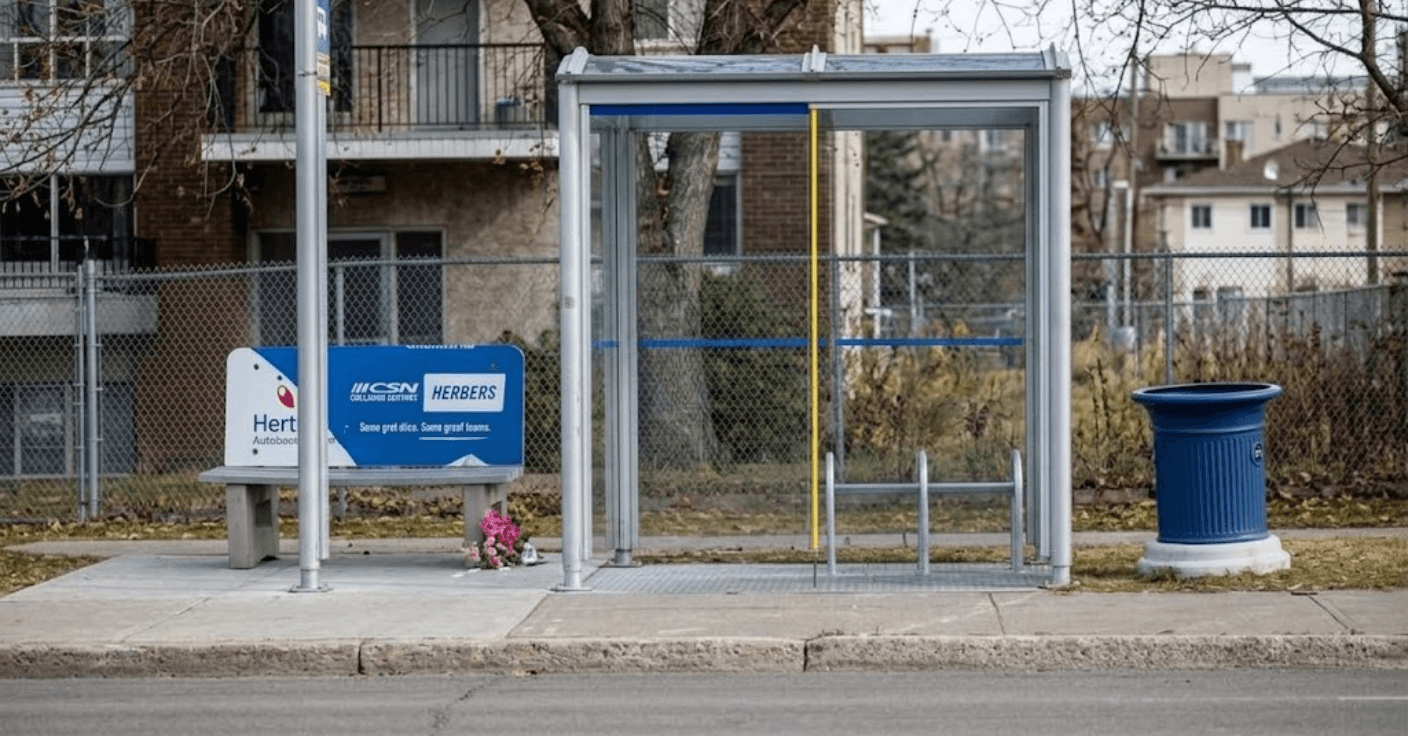
A bus shelter on a busy north Edmonton street became the scene of unthinkable tragedy when a speeding motorcycle tore off the road and into a group of people waiting for a ride home.
The fatal motorcycle crash, which unfolded near 97 Street and 120th Avenue on a Tuesday evening, claimed the life of a 21-year-old man and left a 10-month-old baby fighting for survival.
It is the kind of collision that lingers not just as a statistic, but as a gut punch to an entire city.
Police say an 18-year-old motorcyclist was racing a BMW when he lost control of his bike and plowed directly into the shelter where the victims were standing.
Anjrel Standinghorn-Morin, a young Indigenous father, had been waiting at that shelter alongside his longtime partner and their infant son.
He did not make it home that night.
Standinghorn-Morin was transported to hospital by paramedics and later pronounced dead, a life cut short at 21, a family shattered in seconds.
His partner, an 18-year-old woman, sustained serious but non-life-threatening injuries.
Their 10-month-old son was rushed to hospital with potentially life-threatening injuries, a detail that has left Edmonton residents stunned and furious in equal measure.
A 46-year-old man also sheltering at the stop was seriously hurt.
The accused was charged with dangerous operation causing death and multiple counts of dangerous operation causing bodily harm.
The charges are significant, but for a community in grief, no courtroom outcome will undo what happened on that sidewalk.
Excessive speeding has become an increasingly urgent conversation in Edmonton, and this crash reignited it with devastating force.
Traffic fatality numbers in the city have climbed to levels not seen in nearly a decade, with collision deaths continuing to mount year after year despite ongoing calls for stronger intervention.
Experts and law enforcement officials have pointed to a troubling mix of factors: reduced automated enforcement, persistently reckless driving behavior, and a cultural tolerance for speed that has made Edmonton roads a growing hazard.
Mayor Andrew Knack did not waste time responding.
In the aftermath of the crash, Edmonton mayor renewed his push for the province to allow speed cameras at key intersections across the city, a request that has so far gone unanswered by the Alberta government.
Knack described the incident as carrying a real human face, pointing to the emotional weight of the loss as he called for meaningful provincial action on traffic safety measures.
The mayor's frustration is rooted in a policy shift that many traffic safety advocates say has made Edmonton streets measurably more dangerous.
In late 2024, the province announced sweeping changes to automated traffic enforcement, effectively banning photo radar on provincial highways and at intersections, with those restrictions taking effect in April 2025.
The overhaul reduced the number of eligible enforcement sites by roughly 70 percent, dropping from approximately 2,400 locations across Alberta down to around 650.
For a city of 1.25 million people still battling a speeding crisis, the timing could not have been worse.
The province framed the changes as an end to what officials called a photo radar cash cow system, arguing that too many enforcement sites prioritized revenue collection over genuine public safety.
Critics, including city officials, pushed back hard, arguing that the tools being stripped away were among the most effective weapons Edmonton had to hold dangerous drivers accountable on busy city streets.
In December 2025, the city formally asked the province to approve exemptions allowing photo radar at ten specific problem intersections where collision rates have been chronically high.
That request remains unresolved, leaving city officials in the uncomfortable position of watching fatalities rise with limited recourse.
Meanwhile, Mayor Knack has been advancing a parallel plan to establish dedicated traffic safety teams in Edmonton, a model inspired by a similar program already operating in Calgary.
The teams would be tasked with confronting unsafe drivers directly, targeting excessively noisy and reckless vehicles, and coordinating with police to build a more consistent culture of road accountability across the city.
It is an approach that residents have largely welcomed, though many feel the measures still fall short of what the moment demands.
Edmonton has long been committed to its Vision Zero strategy, an internationally recognized framework that sets a goal of zero traffic-related fatalities and serious injuries by 2032.
The city is now expanding its Safe Mobility Strategy beyond 2025, with a new plan stretching through 2030 that emphasizes a targeted, place-based approach, prioritizing safety improvements in the neighborhoods, corridors, and intersections where danger is most concentrated.
Research tied to Edmonton's earlier speed limit reduction efforts has offered some encouraging data, with crashes falling by roughly one quarter in areas where reduced limits were enforced, and injuries and fatalities among pedestrians, cyclists, and riders dropping by more than 40 percent.
Those numbers suggest the tools work, but only when they are actually allowed to be used.
Traffic calming infrastructure, updated signage, and speed monitoring displays have all been part of the city toolkit, but enforcement advocates say physical deterrents alone cannot substitute for the threat of a ticket when a driver is pushing triple digits on a residential arterial.
Without cameras at dangerous intersections, Edmonton is left hoping drivers choose to slow down on their own, and as Tuesday night proved, that hope carries a devastating cost.
The north Edmonton stretch where the crash occurred has long been flagged by residents as a corridor where excessive speeding is a persistent and unaddressed problem.
97 Street is a major arterial route, heavily trafficked at all hours, and the bus shelter where the victims stood is the kind of stop used daily by working families, parents with strollers, and seniors who depend on transit to get around the city.
The fact that an infant in a shelter was nearly killed by a street race is not lost on the people who use that stop every single day.
Residents across the city have called for local and provincial leaders to stop debating and start acting.
Many are demanding stronger sentencing in street racing cases, mandatory vehicle impoundment for dangerous drivers, and an immediate reversal of the photo radar restrictions that stripped Edmonton of key enforcement capacity.
Edmonton police have responded to mounting pressure by issuing public warnings and increasing patrols in known high-speed corridors, but officers acknowledge that resources limit how much can be done through human enforcement alone.
The city recorded 29 collision fatalities in a single recent stretch, a sobering figure that reflects just how serious the situation has become on Edmonton roads and how urgently traffic safety measures need to be strengthened.
Community leaders, transit advocates, and urban planners are now calling for a broader rethink of how the city designs and manages its highest-risk roads.
Proposals include physical road narrowing on arterial routes, extended pedestrian refuge islands at bus stops, and buffer barriers to protect transit users from traffic lanes, measures that could reduce exposure even without automated enforcement in place.
The loss of Standinghorn-Morin has put a human name and face to a crisis that has for too long been measured only in numbers and percentages.
He was a young father waiting for a bus, doing nothing wrong, and that is precisely what makes this tragedy so difficult for Edmonton to absorb and so impossible to dismiss as an isolated incident.
The traffic safety measures this city needs are not a mystery.
The research exists, the models exist, and the political will appears to be building at the municipal level.
What Edmonton is waiting on now is a provincial government willing to treat the deaths of its residents as more urgent than an argument about enforcement philosophy.
A baby nearly died at a bus stop.
If that is not the moment for decisive action on excessive speeding, it is truly difficult to imagine what would be. |
Oct 15, 2026
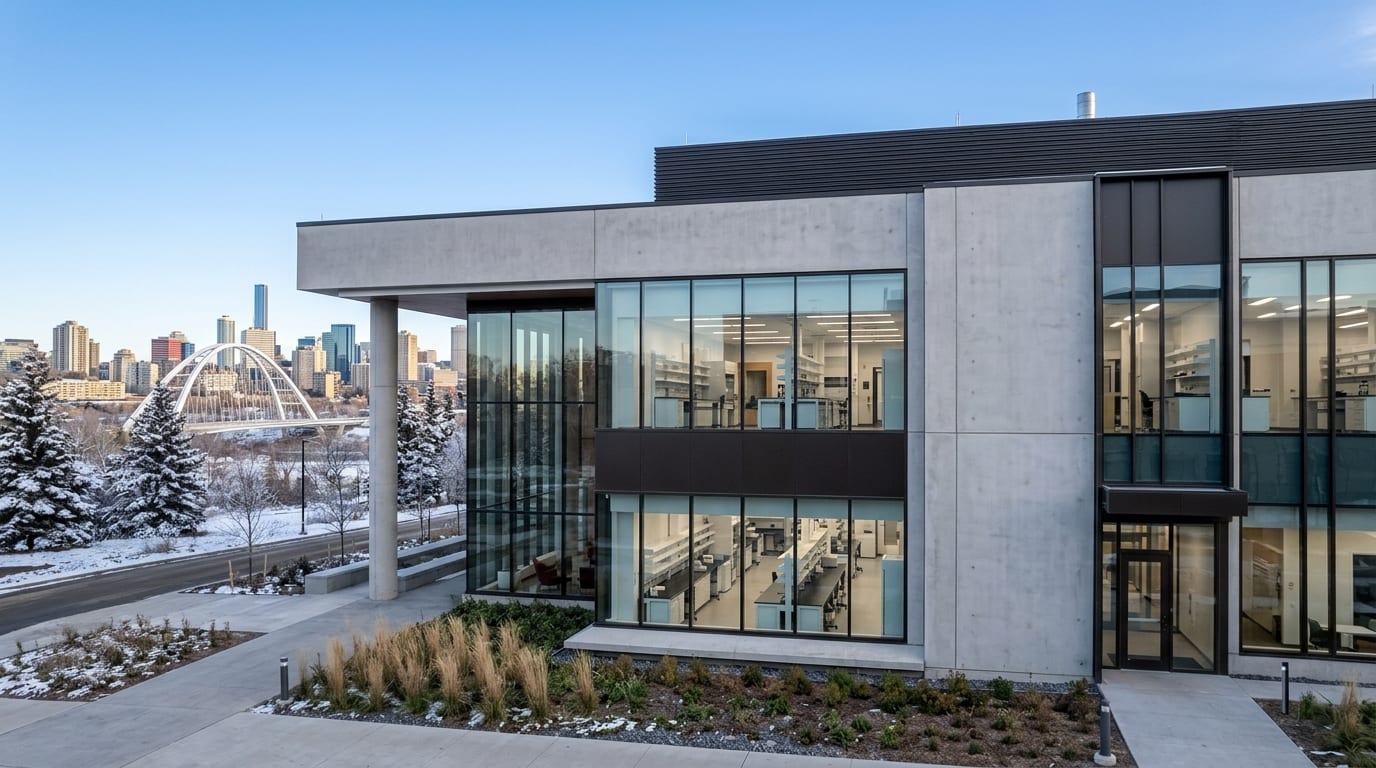
Deep Tech Foundry for Startups in Edmonton, Alberta
Edmonton's new deep tech foundry startup program helps science founders advance research commercialization into scalable companies.
Oct 12, 2026
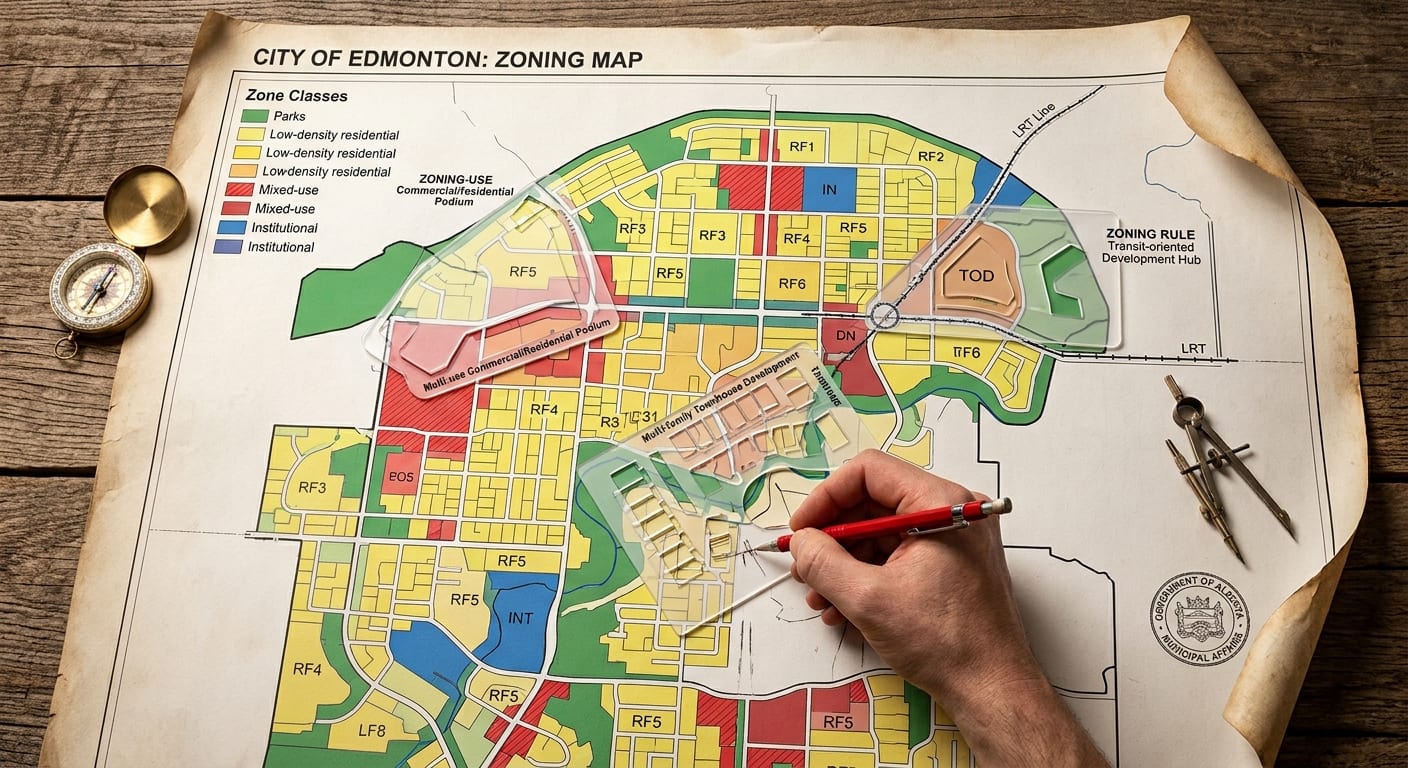
Alberta Zoning Rules Shaping Edmonton's Future: Parking and Density at a Crossroads
Alberta's Edmonton zoning bylaw rollback reinstates minimum parking requirements, raising urgent questions about housing affordability and city planning.
Oct 8, 2026
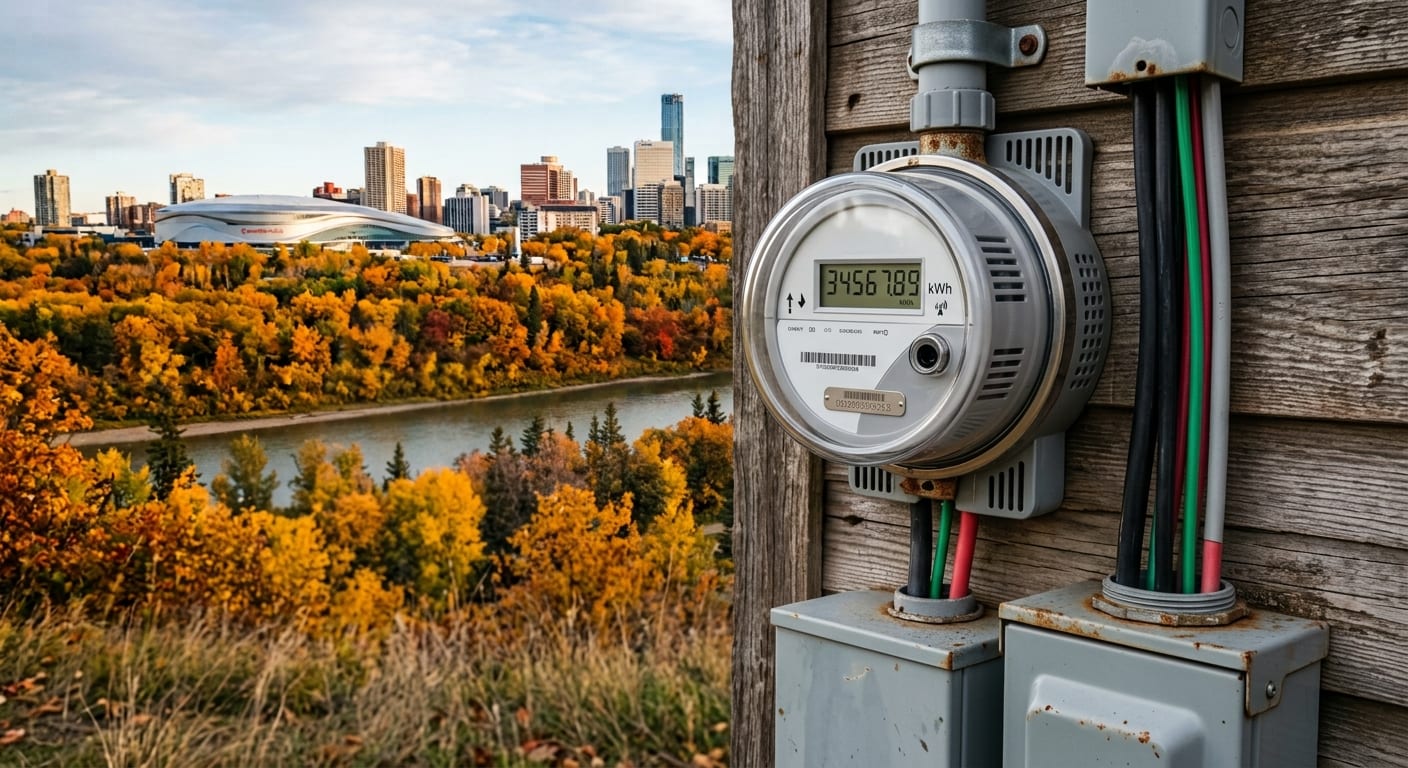
Electricity Franchise Fee Increase Coming to Edmonton — What It Means for Your Power Bill
Edmonton council voted 8-5 to raise the electricity franchise fee from 17.65% to 19.4%. Here's what the EPCOR franchise fee hike means for your power bill.
Oct 4, 2026
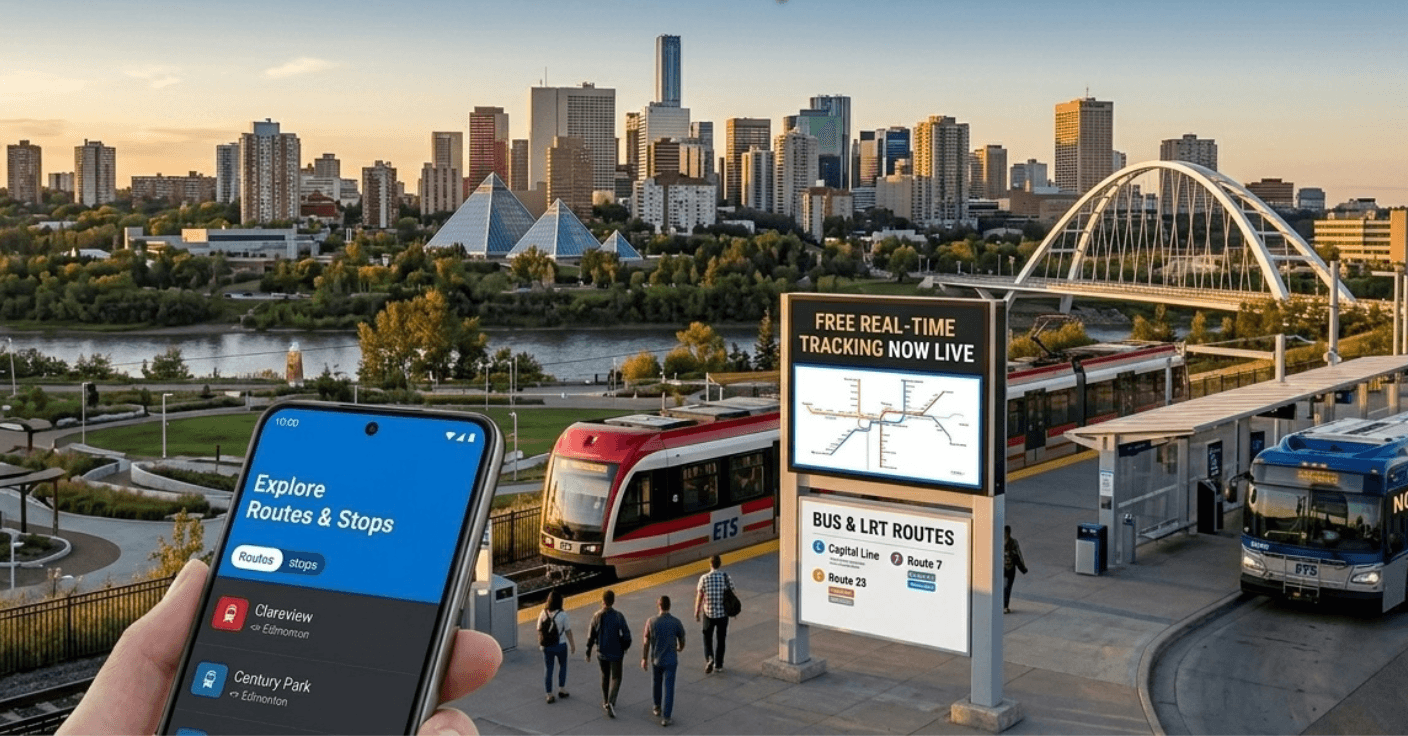
Transit App Free Features Now Available in Edmonton Alberta | ETS Upgrade
Explore transit app free features now unlocked for all Edmonton riders. Discover the latest Edmonton transit app upgrades and public transit improvements.
0 Comments
Join the conversation
Be the first to comment
Share your thoughts above.