
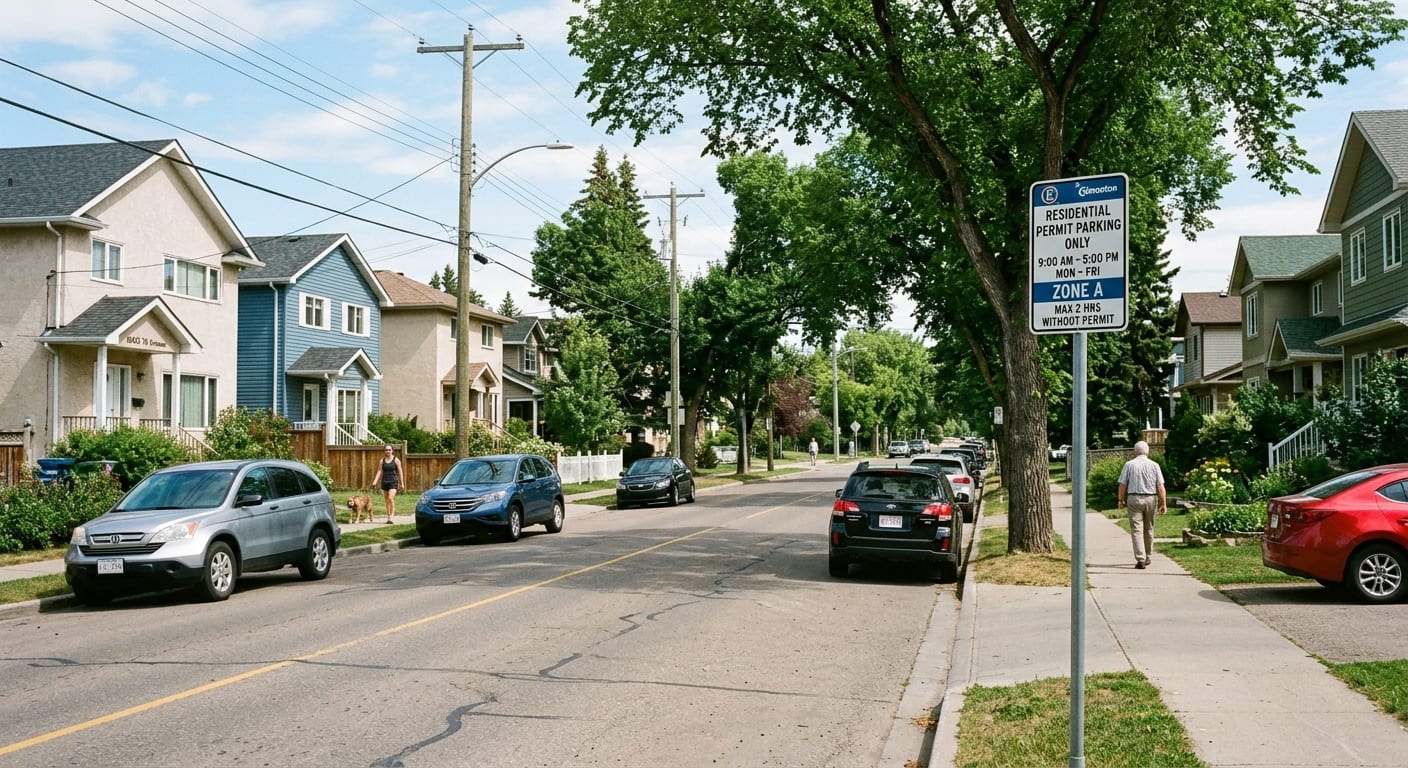
Edmonton Seeks Input on Residential Street Parking
How parking rules for residents and street parking regulations shape your neighborhood
Few neighbourhood debates ignite more passion in Edmonton than the question of who gets to park where — and for how long.
Residential street parking has quietly become one of the most contested policy issues in the city, drawing in homeowners, renters, commuters, and city planners all at once.
What once felt like a simple matter of pulling up to the curb has evolved into a layered conversation about fairness, neighbourhood character, and the future of urban space.
The city has spent recent years reexamining its entire approach to parking rules for residents, and the results have been anything but quiet.
In early 2024, Edmonton City Council approved a sweeping overhaul of the Residential Parking Program, voting to eliminate 15 of the 19 existing residential permit parking zones across the city.
These were areas where street parking had historically been reserved for neighbourhood residents, either around the clock or during high-traffic community events, giving locals first claim to curbside space near their own homes.
The backlash was swift and vocal.
Residents in areas like Alberta Avenue and Parkdale made their frustrations known to their councillors, arguing that the changes would strip away a protection many had relied on for years and open their streets to overflow parking from commuters, visitors, and workers from nearby commercial zones.
Adding to the controversy, the revised program introduced an annual fee of $120 for residents in the zones that remained, a sharp departure from the previous model, which had provided permits at no cost.
What had long been treated as a neighbourhood right was now being reframed as a paid service.
By mid-2024, in response to mounting public pressure, city administration recommended pausing the rollout of the new program entirely.
Council voted to hold off on the changes, keeping the original residential parking program in place while the broader policy direction was revisited.
The pause was welcomed by many residents who felt the consultation process had not fully accounted for the day-to-day realities of life on Edmonton's residential streets.
The suspension has been extended through to 2026, giving the city time to conduct more meaningful engagement before any further changes take effect.
For those living in affected neighbourhoods, that breathing room has been a relief , though uncertainty about the long-term direction of the program lingers.
At the heart of the debate is a fundamental tension in how Edmonton views curbside space.
Officials have increasingly described street parking as a public asset, shared infrastructure that should serve the entire city, not just the residents who live nearest to it.
That framing makes sense from a city-planning perspective, particularly as Edmonton pushes toward densification and a broader housing strategy that has already reduced or eliminated parking minimums for new developments in some zones.
But for established residents in lower-density neighbourhoods, the language of shared assets can feel like a justification for taking something away.
Many homeowners argue that reliable access to street parking near their property directly affects quality of life, and that changes to street parking regulations should be made slowly and with genuine community buy-in.
The city's Curbside Management Strategy, which underpins the parking program review, is designed to take a data-driven approach to parking allocation — accounting for demand levels, neighbourhood density, and equity considerations.
According to recent reports, administration gathered community feedback in 2023 as part of that review, with input coming from both residents inside permit zones and those who regularly visit or travel through them.
City planners say the goal is to match parking management tools to the actual conditions on any given street, rather than applying a one-size-fits-all model.
In practice, that means some streets may retain protected residential access while others transition to open, unmanaged parking depending on measured demand.
Understanding the baseline rules that govern residential street parking in Edmonton is essential for anyone navigating the current landscape.
Unless otherwise posted, vehicles may park on most residential streets for up to 72 consecutive hours, a rule that applies city-wide and is enforced through bylaw.
Beyond that window, a vehicle left in place is subject to ticketing or towing, regardless of whether the street has an active residential permit zone.
Seasonal rules add another layer of complexity, particularly during winter months when Edmonton's notoriously heavy snowfalls prompt the city to declare formal parking bans.
These bans roll out in two phases: the first targets major arterial roads and bus routes across the city, while the second focuses specifically on residential streets, allowing crews to blade snow down to a manageable level.
During a Phase 2 ban, residents must move their vehicles off affected streets during designated hours, typically with at least 24 hours of advance notice for their specific neighbourhood.
For some residents, particularly those with accessibility needs or without access to a private driveway, winter parking bans present a genuine hardship that advocates say the city has not fully addressed.
Streets near major venues, hospitals, universities, and transit corridors tend to face the greatest parking pressure, and it is in these areas where residential permit zones have historically made the most difference.
The four zones that remain under the revised framework are clustered near high-demand destinations, reflecting the city's attempt to preserve protections where competition for curbside space is most acute.
For residents in the 15 zones that were originally slated for removal, the pause offers temporary protection, but no permanent guarantee.
When the city returns to the table after 2026, the conversations it holds with residents will likely determine whether those neighbourhoods retain any form of priority parking access.
Local advocates argue that meaningful engagement must go beyond online surveys and information sessions, insisting that city staff walk the streets, attend community league meetings, and listen directly to the people whose daily routines depend on reliable parking access.
There is also a broader housing policy dimension to watch.
Provincial direction has pushed back on some of Edmonton's more aggressive moves away from parking minimums in new residential developments, and the resulting tension between municipal and provincial planning priorities adds another variable to an already complicated picture.
How that tension resolves will shape not just where people park today, but how new neighbourhoods are designed for years to come.
For now, Edmonton residents are left navigating a system in transition, one where the rules remain technically unchanged but the direction of travel is clearly toward a more open and less resident-exclusive model of street parking.
Staying informed about posted signage in your area, registering for city parking ban alerts, and participating in any upcoming public engagement processes are the most practical steps available to residents who want their voices to count when the next round of decisions is made.
In a city growing as rapidly as Edmonton, the fight over a few feet of curb space reflects something much larger, a negotiation over what kind of neighbourhoods this city wants to be. |
Oct 21, 2026
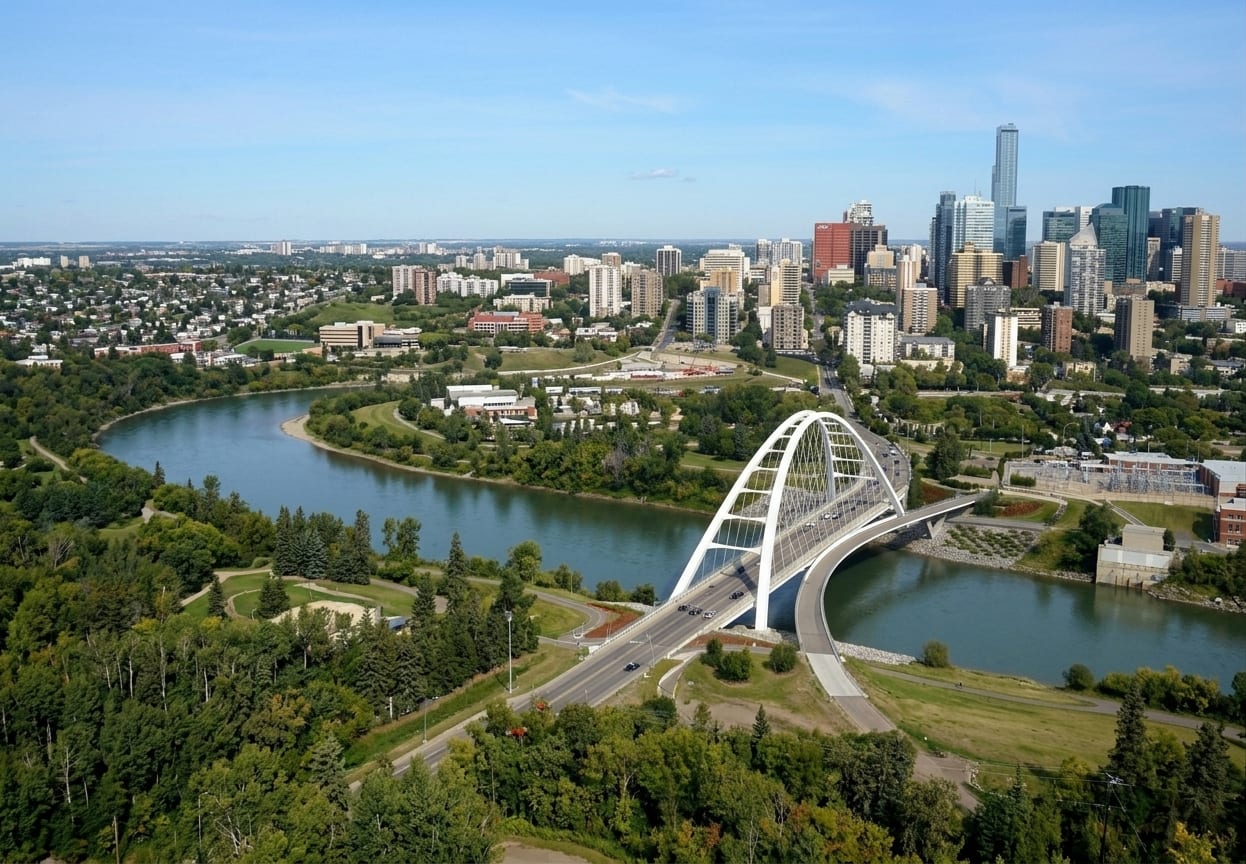
Edmonton City Budget 2025: What Residents Need to Know About the Draft Four-Year Budget
Edmonton city budget 2025 explained: draft four-year budget drops Nov. 2, hearings begin Nov. 23, and Edmonton electricity rates rise in 2027.
Oct 19, 2026
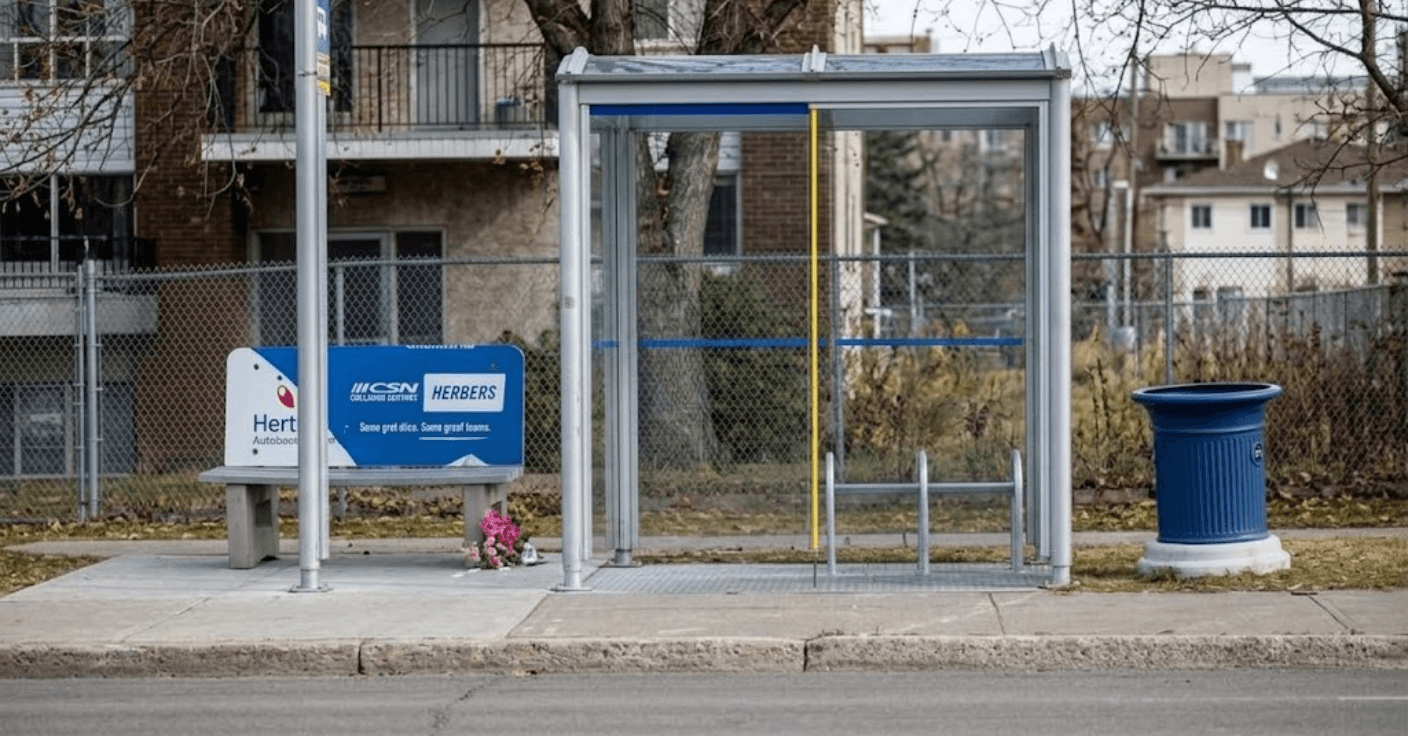
Fatal Motorcycle Crash in Edmonton Sparks Push for Traffic Safety
A fatal motorcycle crash in Edmonton reignites calls for traffic safety measures as excessive speeding claims a life and injures a baby at a bus shelter.
Oct 15, 2026
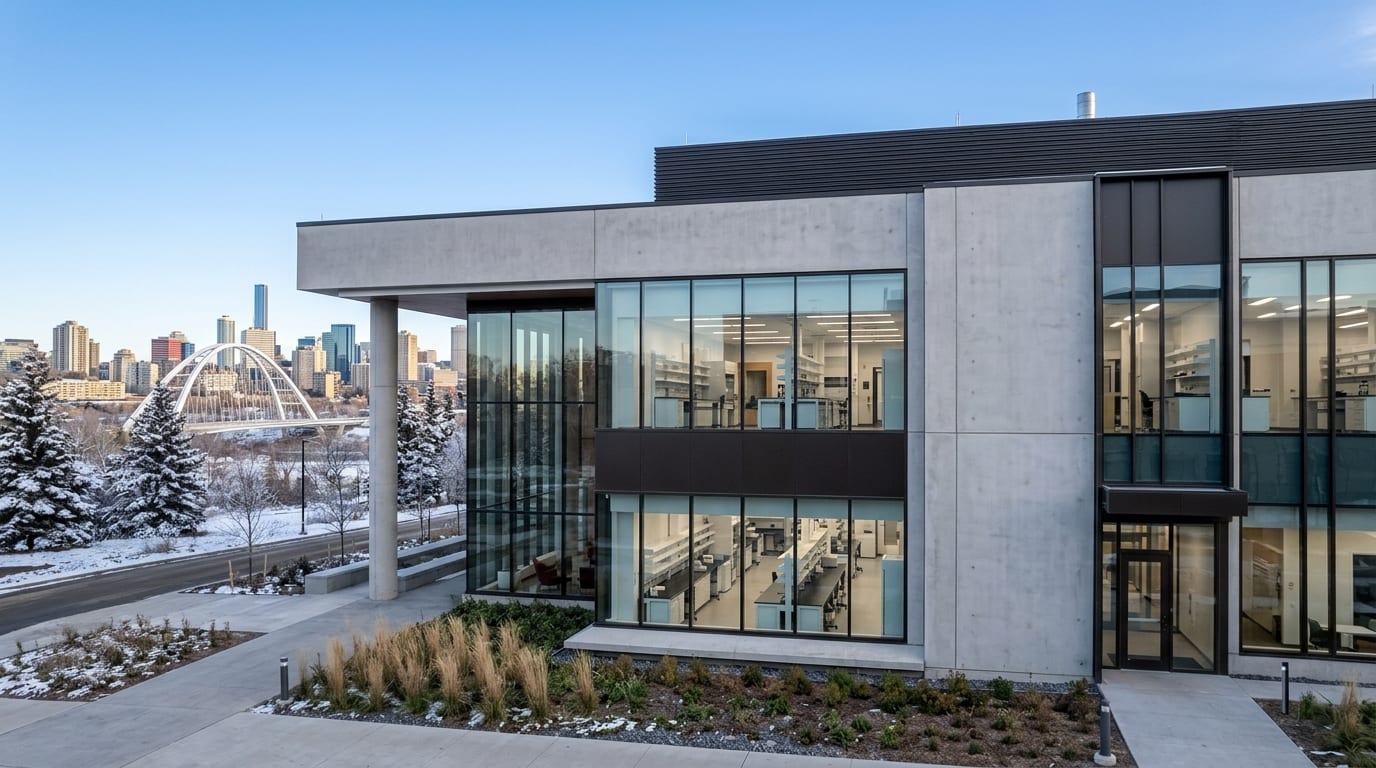
Deep Tech Foundry for Startups in Edmonton, Alberta
Edmonton's new deep tech foundry startup program helps science founders advance research commercialization into scalable companies.
Oct 12, 2026
Alberta Zoning Rules Shaping Edmonton's Future: Parking and Density at a Crossroads
Alberta's Edmonton zoning bylaw rollback reinstates minimum parking requirements, raising urgent questions about housing affordability and city planning.
0 Comments
Join the conversation
Be the first to comment
Share your thoughts above.