
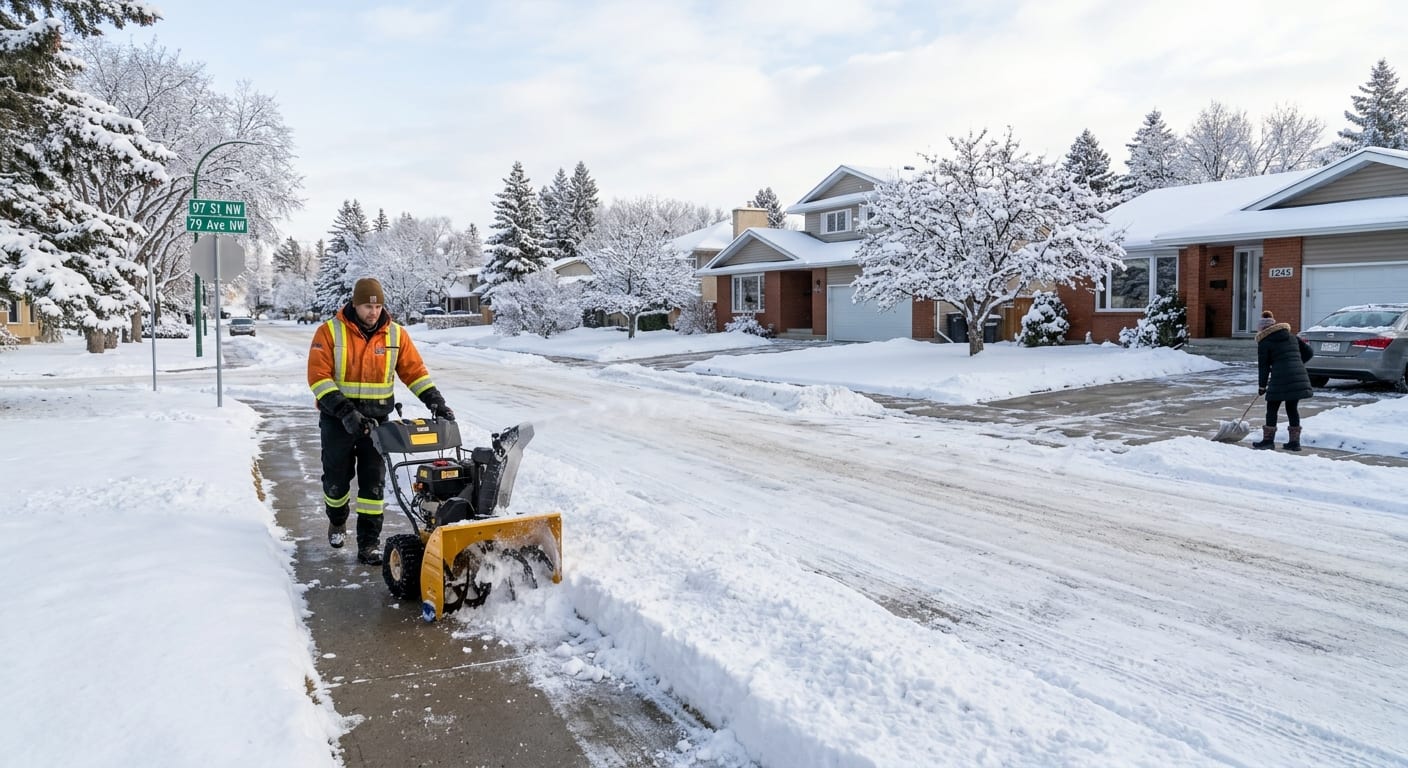
Strathcona County Snow & Safety Standards: Strathcona County council officially approved a new 12-day residential snow
Understanding the new snow removal policy and the 12-day snow clearing rule for local homeowners
Winter in Edmonton, Alberta is not just a season — it is a civic responsibility, and one that carries real consequences for homeowners who fail to keep up.
As the city continues to refine and strengthen its approach to winter maintenance, the conversation around the residential snow clearing standard has never been more pressing or more public.
Whether you are a long-time homeowner in a quiet northwest neighbourhood or a first-time buyer navigating your first Alberta winter, understanding exactly what the city expects — and what it enforces — could save you from fines, added tax burdens, and genuine safety hazards on your doorstep.
The backbone of Edmonton's snow removal policy is a priority-based system that organizes the city's massive road network into four distinct tiers, each carrying its own service level commitment and timeline.
Priority 1 covers the essential arteries — the major freeways, arterial roads, downtown business corridors, and bus routes that keep the city moving after every storm.
These roads are targeted to reach a bare pavement standard within a single day following the end of a snowfall event, a service level that reflects how critical those corridors are to public safety and economic activity across the region.
Priority 2 addresses secondary arterial and collector roads, while Priority 3 handles industrial routes — each carrying its own service level timeline that cascades downward before crews ever reach neighbourhoods.
It is only after the city's major and arterial road network has been brought under control that attention turns to where most Edmontonians actually live.
That is where the now widely discussed 12-day snow clearing rule enters the picture — though the full picture is somewhat more layered than a single number suggests.
Under the city's updated snow and ice control procedure, residential roadways are targeted to be cleared within 14 days once a Phase 2 residential blading cycle is officially initiated — and that initiation does not happen automatically after every snowfall.
The trigger is based on accumulated conditions: overall road safety, the depth and spread of snowpack in residential zones, and whether Priority 1, 2, and 3 roadways have been sufficiently addressed to free up operational capacity.
That distinction matters enormously for residents who are watching their streets pile up while plows remain focused on the city's major corridors.
The frustration has been vocal and widespread, particularly after back-to-back storm events that overwhelmed clearing timelines for days on end.
Mayor Andrew Knack has openly acknowledged that the city's existing snow removal service levels, while technically being met by crews, have not been sufficient for the scale and demands of modern Edmonton.
He has called publicly for stronger enforcement and higher standards, signalling that the political will exists to push beyond the status quo — even if budget constraints and equipment logistics remain ongoing challenges.
That sentiment has been matched by meaningful policy updates at city hall, where Edmonton's snow removal policy has been revised to add accessibility as a fourth and equal core outcome alongside safety, reliability, and connectivity.
That shift in framing represents a significant evolution in how the city defines the purpose of snow clearing — moving it beyond mere traffic management into something closer to a universal access guarantee for all residents.
For people with mobility challenges, those who rely on public transit, parents pushing strollers through icy alleyways, or delivery workers navigating slick paths, that change in policy language carries real, tangible weight on the ground.
On the homeowner side, the obligations are equally clear and equally enforced.
Community Standards Bylaw 14600 requires every property owner and occupant in Edmonton to keep the sidewalk adjacent to their property free of snow and ice throughout the winter months.
The bylaw itself does not establish a fixed hour-by-hour deadline, but the city's complaint process generally allows residents to flag uncleared sidewalks only after at least 48 hours have passed without additional snowfall — a threshold that should never be mistaken for a guaranteed grace period or a legal shield.
Failing to meet this obligation can cost considerably more than the inconvenience of shovelling.
A bylaw officer can issue a municipal ticket carrying a fine of $100, and if the city dispatches its own contractor to clear the walkway on your behalf, the cost of that service is invoiced directly to the property owner — with unpaid balances eventually rolled into property tax accounts.
The standard for a compliant sidewalk is not a quick scrape — it means clearing snow and ice to the full width and length of the adjacent walkway, all the way down to the cement or asphalt surface beneath.
Sand, gravel, or ice melt can be used as a temporary measure while removal is underway, but they do not substitute for actual clearing in the eyes of bylaw enforcement officers making their rounds.
One of the most common sources of confusion among homeowners is the matter of windrows — those dense ridges of packed snow that city plows push to the curb when clearing residential roads.
Under current policy, the city does not remove windrows along standard residential roadways as part of the regular blading cycle, leaving homeowners to manage whatever lands at the end of their driveway.
However, if a windrow blocking a driveway exceeds 30 centimetres in height, the city does offer a windrow levelling service to bring it down to a workable level — a small but meaningful detail that many residents discover only after a frustrating winter of digging out alone.
Cul-de-sacs add another layer of complexity to the system and are frequently a sore point for the residents who live in them.
They are not part of the standard residential blading cycle and instead operate on an independent clearing schedule that can extend to several weeks, determined by the city based on accumulation levels, safety concerns, and overall operational capacity at any given point in the season.
For residents at the end of those quiet loops, that can mean an extended and uncertain wait even after the rest of the neighbourhood has been addressed and plowed.
The city's updated snow and ice control procedure — approved in late 2025 — also introduced improvements aimed at speeding up clearing on Priority 1 and Priority 2 roads, with the expectation that faster main-road turnaround will allow crews to pivot to residential zones more efficiently than in past seasons.
Among the changes being examined is a move toward more routine monthly residential blading cycles when accumulation warrants it — a deliberate shift away from treating neighbourhood road clearing as a purely reactive exercise triggered only by crisis conditions.
Whether that ambition translates into meaningful improvement for residents will ultimately depend on budget allocations and equipment availability in the winters ahead.
What is already clear is that the pressure on the city to sharpen its residential snow clearing standard is not easing — it is intensifying, driven by a growing urban population, increasingly unpredictable winter weather patterns, and residents who expect more from a city that collects rising property taxes year after year.
For homeowners, the most practical takeaway from all of this remains straightforward: do not wait for the city to come to you.
Clear your sidewalk promptly after every snowfall, understand that residential road clearing may take days or even weeks depending on conditions, and familiarize yourself with exactly what the city's blading, windrow, and cul-de-sac programs actually cover — because assuming the city will handle it all is a costly mistake that too many Edmontonians have made before.
Winter in this city rewards preparation and penalizes complacency, and the snow removal policy enforces that reality through fines, contractor invoices, and property tax additions that catch the unprepared off guard every single season.
Knowing the rules is not just good citizenship — in Edmonton's winters, it is simply good survival strategy. |

Oct 29, 2026
Optometrist Surgical Procedures Now Available in Edmonton, Alberta
Edmonton optometrist surgical procedures are expanding. Laser eye procedures and minor eye surgery now offered in local Alberta clinics starting 2026.
Oct 26, 2026
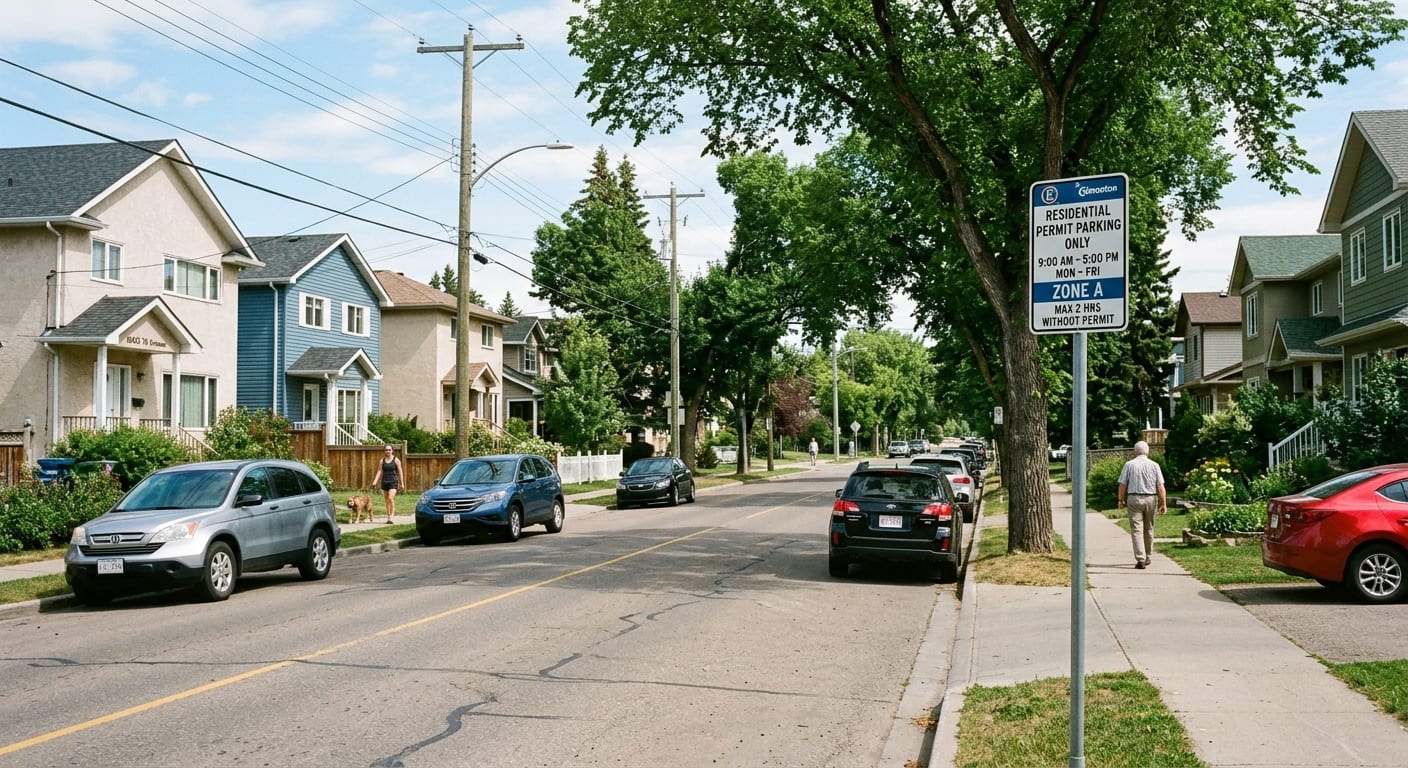
Residential Street Parking Rules in Edmonton, Alberta | What Residents Must Know
Residential street parking in Edmonton is changing. Learn the latest parking rules for residents and street parking regulations shaping your neighbourhood.
Oct 21, 2026
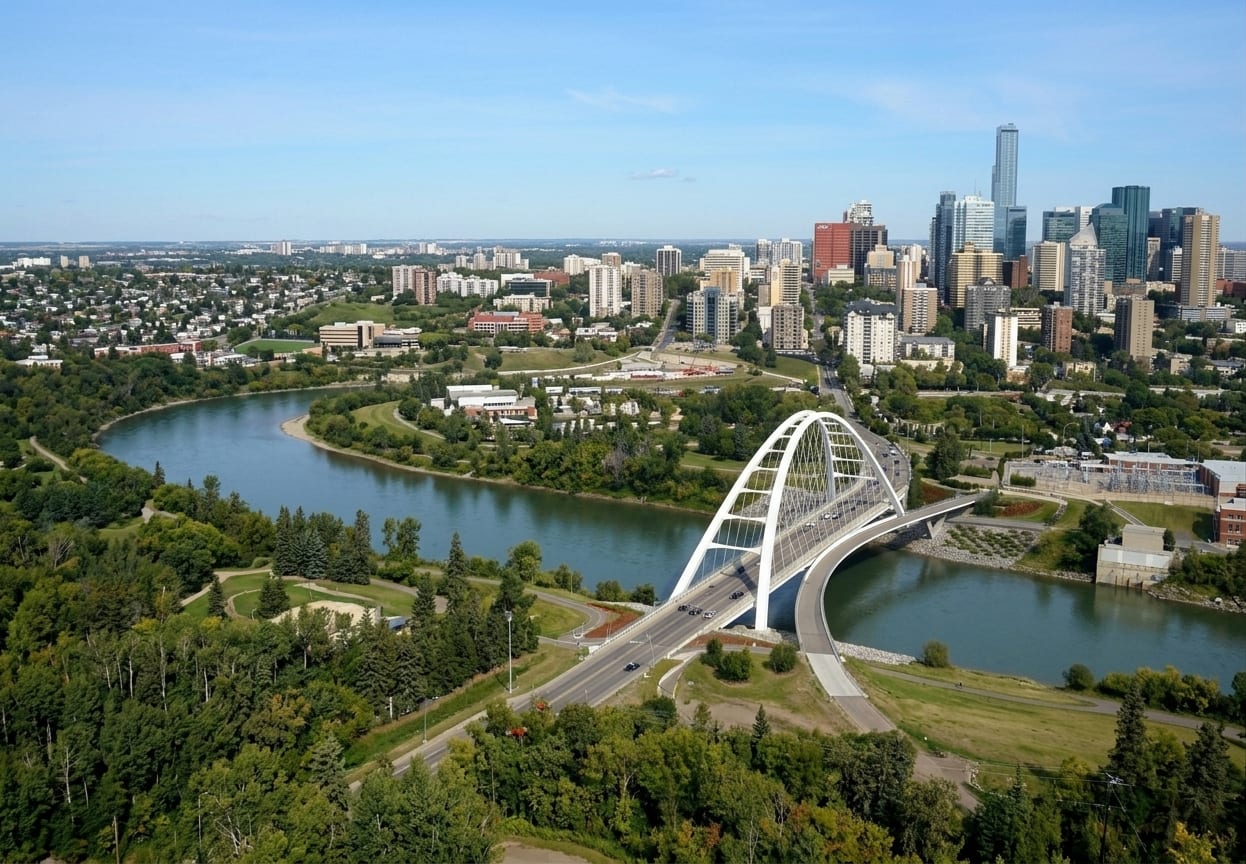
Edmonton City Budget 2025: What Residents Need to Know About the Draft Four-Year Budget
Edmonton city budget 2025 explained: draft four-year budget drops Nov. 2, hearings begin Nov. 23, and Edmonton electricity rates rise in 2027.
Oct 19, 2026
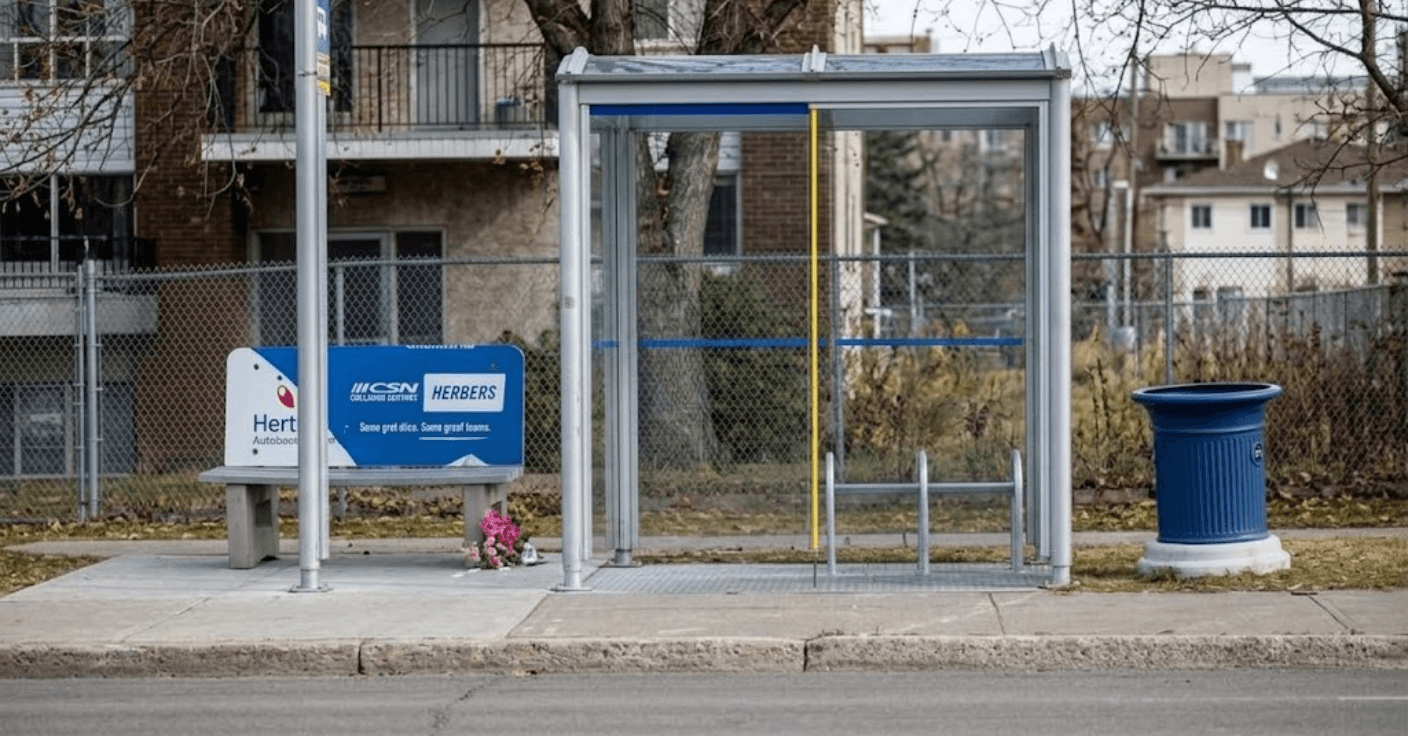
Fatal Motorcycle Crash in Edmonton Sparks Push for Traffic Safety
A fatal motorcycle crash in Edmonton reignites calls for traffic safety measures as excessive speeding claims a life and injures a baby at a bus shelter.
0 Comments
Join the conversation
Be the first to comment
Share your thoughts above.