
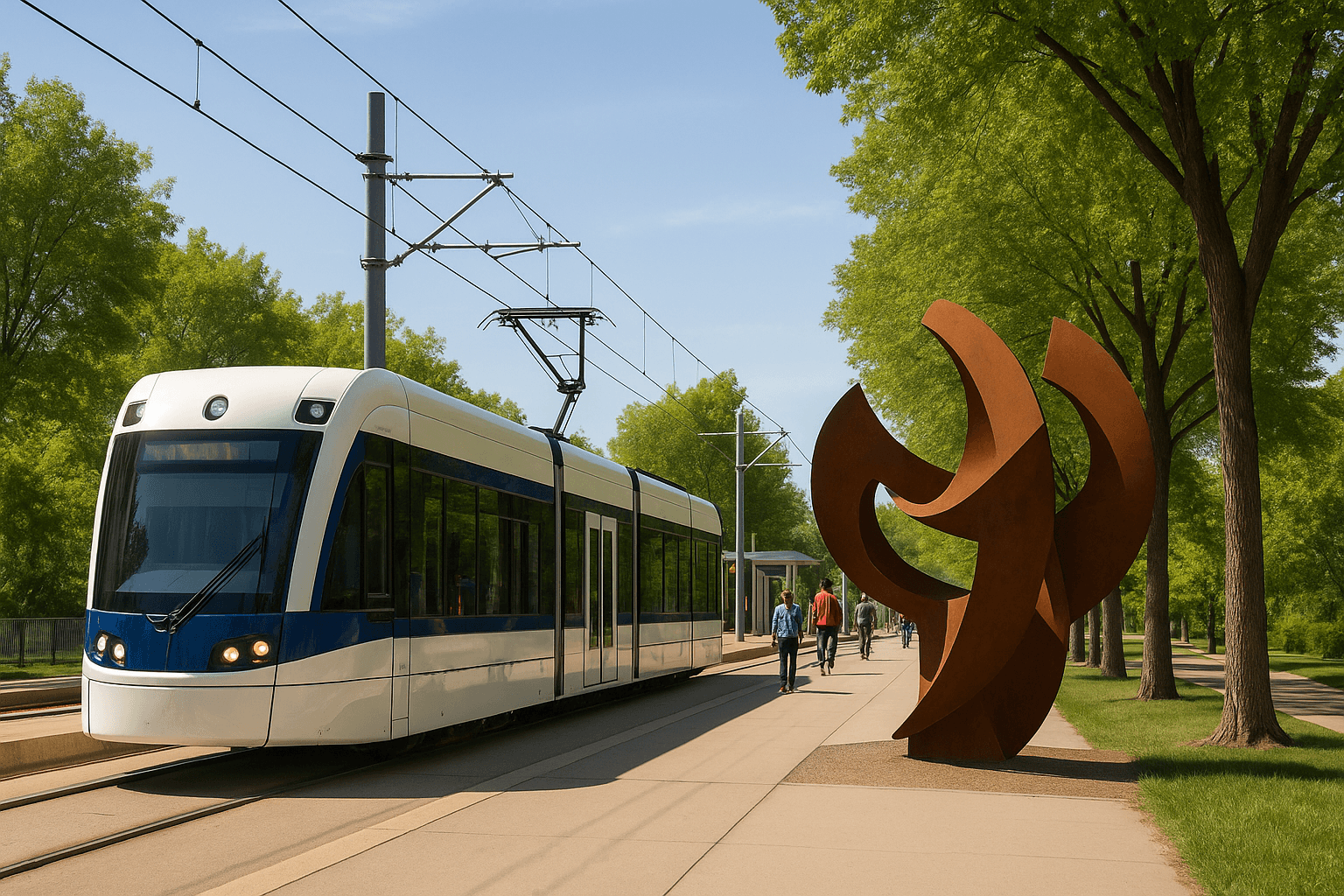
City Seeks Input on Valley Line SE Art and Urban Trees
Community surveys and urban trees initiatives
Edmonton is making public engagement the heart of decision-making, giving residents the opportunity to shape the city’s future in ways that matter locally.
Recently, city officials launched a series of community surveys aimed at guiding the next steps for urban greenery and public art projects across Edmonton.
Few issues unite Edmontonians quite like their passion for urban trees and natural spaces.
The city has called on everyone - from longtime homeowners to students and new arrivals - to give input on two new surveys centered around the protection and expansion of urban trees and shrubs.
Folks strolling through mature neighborhoods or visiting new developments see the difference trees make every day.
Tree canopy, shade, and biodiversity are frequent talking points in community meetings and local social circles.
Public engagement isn’t just about checking a box - it's become a powerful tool for building consensus and trust in city planning.
According to recent reports, residents have the opportunity to share their thoughts on how the city should prioritize new tree plantings, what areas need the most attention, and how to protect older, established trees.
Concerns about heat islands and the loss of mature green corridors have brought a sense of urgency to these discussions.
Surveys circulating this month invite Edmontonians to point out trouble spots, suggest planting locations, and advocate for tree care programs in their neighborhoods.
The conversations extend beyond technical matters; they touch on local pride, generational memories, and the environmental values residents want to see carried forward.
One recent urban forestry initiative sees the city collaborating directly with school groups, which has sparked excitement among young people eager to wield shovels for a morning of tree planting.
Meanwhile, the topic of urban trees has come to the fore as developers break ground on new housing and retail projects, underscoring the challenge of balancing growth with the preservation of Edmonton’s natural assets.
Some community advocates argue new development should never come at the cost of established canopies.
This tension is a common theme in feedback submitted through the city’s engagement platform, where residents are speaking up for both density and greenery.
The city pushes these surveys hard on social media, local newsletters, and through neighborhood associations, working to ensure that every voice, quiet or outspoken, has a forum.
Recent feedback has already led to more accessible survey language and extended deadlines.
Beyond trees and shrubs, this round of public engagement also features a unique opportunity for residents to have their say on public art installations slated for the Valley Line Southeast LRT corridor.
Artists from Edmonton and beyond have submitted bold concepts for stations, underpasses, and gathering places along the route.
The public can view sample designs through virtual sessions or community pop-ups at libraries and recreation centres, channels the city says make the selection process both transparent and inclusive.
Transit advocates and local businesses are watching these developments closely.
For many, the integration of art and transit offers more than beautification; it’s viewed as a catalyst for neighborhood pride and renewed foot traffic along the southeast corridor.
Longstanding shop owners near the new LRT line hope thoughtful design choices will help attract customers and new residents alike.
It’s a notable moment for Edmonton’s arts community, which has lobbied for public art funding even when budgets are tight.
Debate often flares around spending priorities, but this time, the city is stressing the value of involving the public in both the theme and placement of artworks.
Residents have been vocal about wanting art that reflects Edmonton’s diverse stories, cultures, and aspirations, not just generic installations.
The city says input from these community surveys will help the selection panel decide which proposals move forward and which ideas should be set aside.
The process has also spurred more Edmontonians to attend public open houses, where staff offer context on how LRT development relates to broader issues like walkability, economic revitalization, and carbon reduction.
Discussions often circle back to equity, with parents and seniors alike demanding accessible, welcoming public spaces in all corners of the city.
As the city’s population continues to grow, the pressure mounts to deliver spaces that are not only functional but inspiring.
Recent months have seen new coffee shops, bakeries, and fitness studios open near LRT stops, rendering the conversation about urban trees and public spaces even more relevant.
Developers working on real estate along the corridor have begun referencing the city’s feedback process in their marketing, signaling a shift toward community-oriented growth.
Moms with strollers, dog walkers, and students on bikes are all weighing in, with some pressing for more green buffers between busy intersections and transit sites.
Concerns about heat, traffic, and noise have fueled calls for deeper investment in green infrastructure.
According to city staff, feedback is also steering tree-planting strategies for new parks sprouting up near infill housing and mixed-use developments.
The city’s own arborists note that Edmonton's harsh winters and dry summers create unique challenges, but community-supported efforts lead to better survival rates and healthier canopies.
There’s also been a strong push for more Indigenous consultation, with residents asking the city to prioritize traditional ecological knowledge in both tree selection and art design.
This broad-based approach to public engagement is being recognized as a model for other Canadian municipalities hoping to modernize their own strategies for inclusive urban planning.
City council members have highlighted the value of these public engagement processes in recent meetings, pointing to the improved tone and content of city debates thanks to broad-based input.
When people feel heard, they’re more likely to support, and defend, their city’s projects and priorities.
The rise in attention to community surveys also comes as Edmonton continues to welcome new residents from across Canada and around the world, making citywide engagement more challenging, and more critical, than ever.
Officials say input from new Edmontonians is shaping not only how trees are planted but how parks and public spaces are named and designed in the future.
Other recent initiatives outside the LRT corridor include revitalized playgrounds, pollinator gardens, and expanded seating areas in established neighborhoods, all of which rely on the momentum generated through open surveys and grassroots feedback.
Edmonton’s approach demonstrates that meaningful public engagement pays dividends for both local democracy and the vibrancy of the cityscape.
With renewed focus on urban trees, community art, and transit corridors, residents are shaping a city where beauty, sustainability, and connection go hand in hand.
The push for stronger public engagement signals a new chapter for Edmonton, one that champions both conversation and tangible change in every neighborhood, large or small.
To participate in the survey, visit here. |
Sep 21, 2026
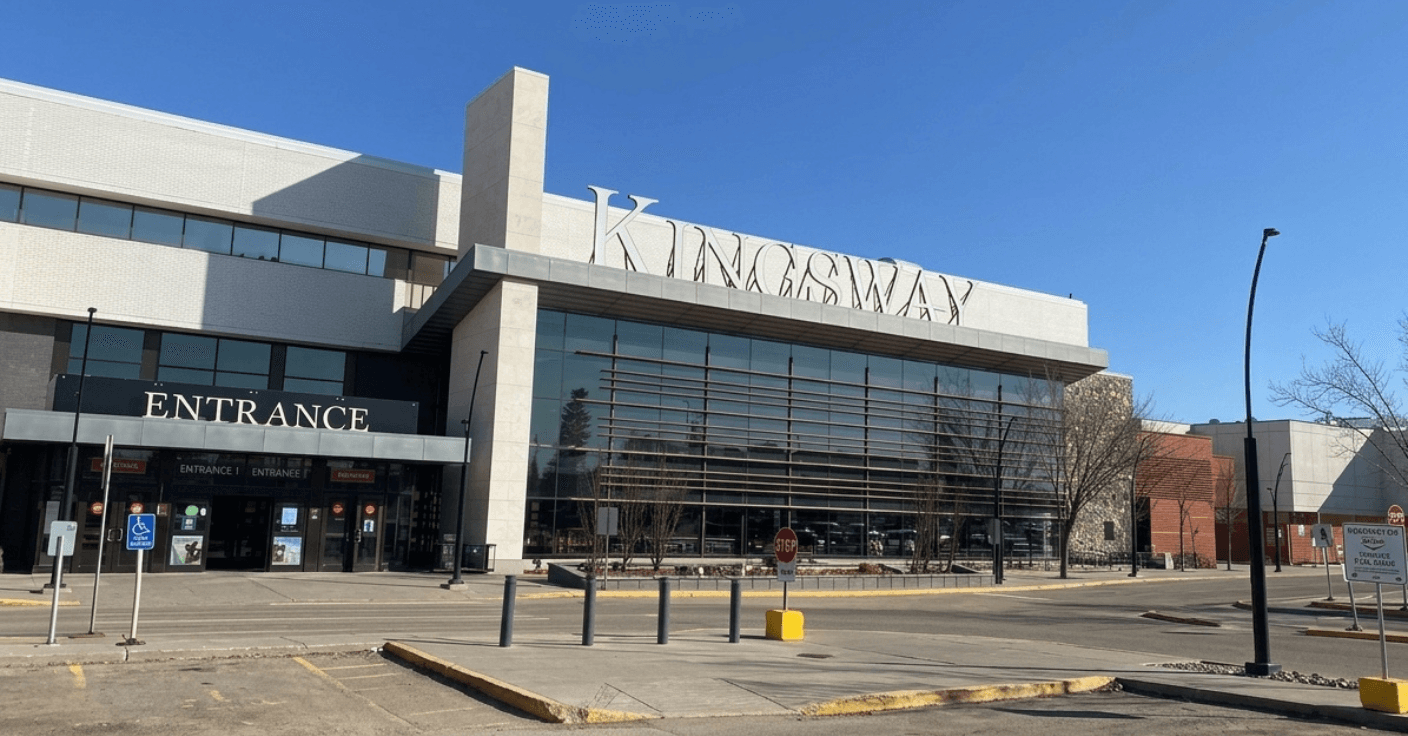
Kingsway Mall Sold: New Ownership Signals Fresh Chapter for Edmonton Alberta Landmark
Kingsway Mall sold after 26 years under Oxford Properties. Montreal's Westcliff takes over Edmonton's iconic 880,000-sq-ft shopping centre. What's next?

Sep 17, 2026
Gas Prices in Edmonton, Alberta Are Climbing Fast
Gas prices Alberta drivers pay are rising fast. See what's pushing Edmonton fuel prices higher and what it means for your wallet in 2025.
Sep 13, 2026
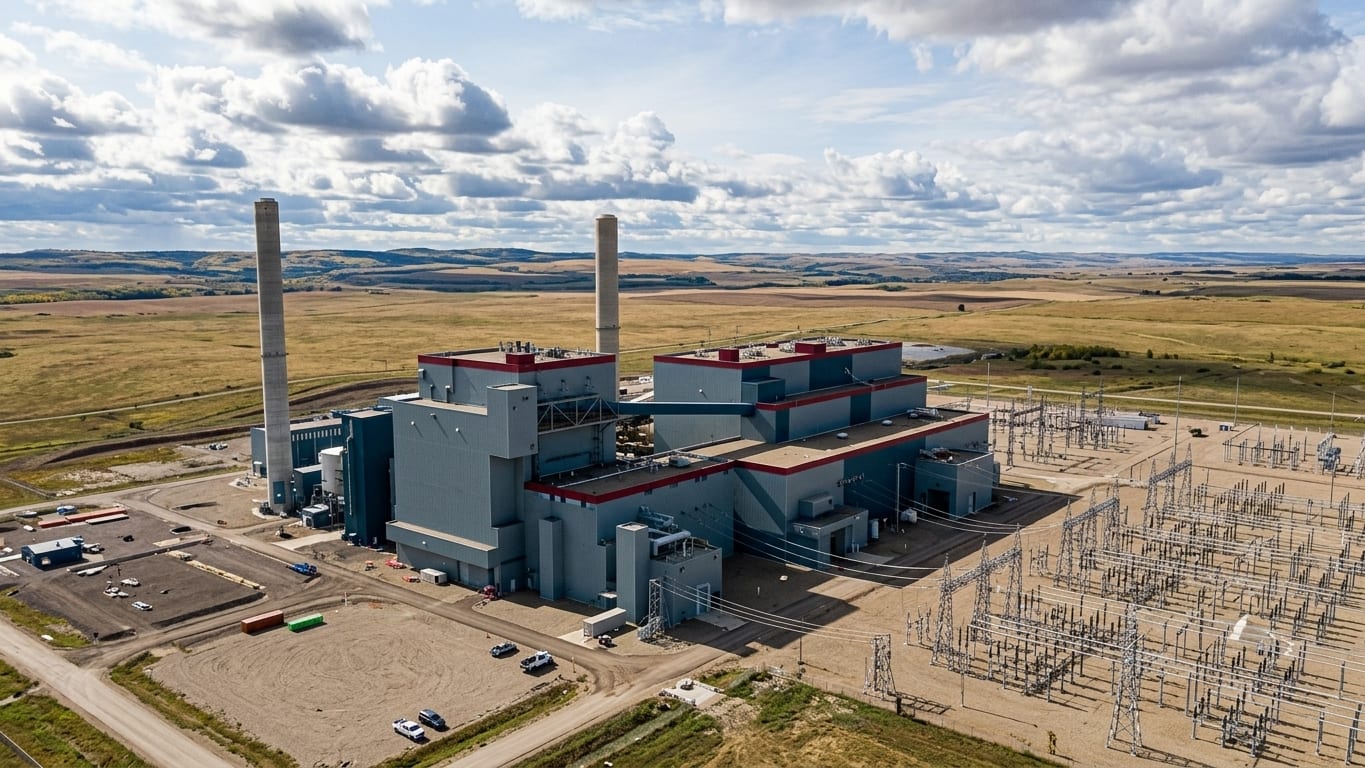
Carbon Capture Storage Hub Services in Edmonton, Alberta | CCS Hub Canada
Explore Alberta's expanding carbon capture storage hub network, from Edmonton's Wabamun project to the Origins CCS hub — Canada's largest CCS facility.

Sep 10, 2026
Meta AI Data Centre Coming to Edmonton Alberta | Sturgeon County Project
Meta AI data centre in Sturgeon County is reshaping Edmonton Alberta's economy with 3,000+ jobs and a $13B investment in Canada's AI future.
0 Comments
Join the conversation
Be the first to comment
Share your thoughts above.