
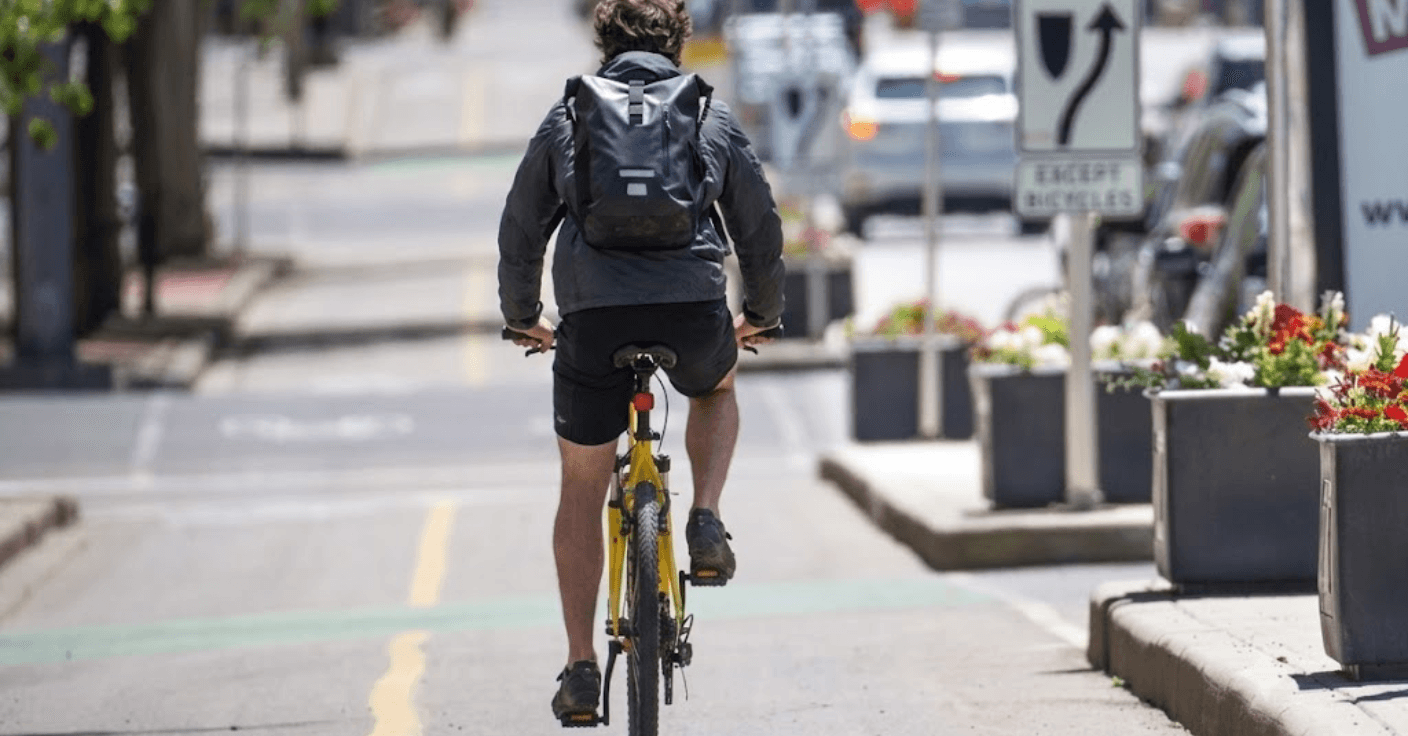
Province seeks input on bike lanes
Explore bike lanes and municipal bike lanes for city improvements
The discussion around bike lanes in Edmonton, Alberta continues to prompt both excitement and spirited debate within the community.
As changes to municipal bike lanes roll out, Edmonton stands at an interesting crossroads between expanding its cycling infrastructure and addressing concerns from residents about the impact on daily life.
Recently, a new portal aimed at gathering public input on municipal bike lanes was revealed, highlighting a fresh push for resident feedback and direct engagement.
According to transportation officials, the public’s voice is crucial in shaping what the city’s streets will look like for future generations.
Some Edmontonians have welcomed the focus on safer, more accessible bike lanes, arguing they are overdue improvements that reflect modern needs.
Others, however, fear that new routes could disrupt established traffic patterns and complicate life for commuters.
This is not the first time the city has been embroiled in controversy over cycling infrastructure.
In several neighborhoods, the introduction of dedicated lanes has brought both enthusiasm from cycling advocates and pushback from those worried about street parking and busy intersections.
One of the most talked-about developments is the proposed Capilano bike lane.
A recent meeting between the transportation minister and concerned locals revealed just how deeply these proposals can divide a community.
Cyclists argue that safe, continuous bike lanes are a necessity—not a luxury—for a growing city aiming to promote healthy living and environmental responsibility.
They point to recent upgrades, such as new connecting routes along the river valley and improved signage, as evidence that Edmonton is moving toward a more modern standard for urban mobility.
Still, the appetite for change varies from block to block.
Residents in areas slated for new municipal bike lanes have voiced concerns about everything from decreased property values to the risk of increased congestion on already tight neighborhood streets.
Some businesses worry about how construction will affect foot traffic and deliveries, while others see opportunities for growth as Edmonton becomes more accessible to non-motorists.
Real estate professionals note that proximity to quality cycling infrastructure is becoming a growing selling point for urban homes—especially among families and young professionals eager to ditch the car for shorter commutes.
Recent reports suggest that market demand for properties near well-designed bike lanes has edged upward since the pandemic.
A local cycling club described the shift as “long overdue,” citing increased participation in recreational rides and a noticeable uptick in daily commuters utilizing the city’s growing cycling grid.
The controversy is hardly unique to Edmonton.
Cities across Canada are contending with similar dilemmas, weighing the benefits of improved cycling infrastructure against the complexities of retrofitting older urban layouts.
Edmonton’s approach, which now emphasizes broad engagement through public portals and pop-up consultations, could serve as a model for other regions eager to balance progress with preservation.
Local leaders point out that the new feedback system isn’t just about complaints; it’s a chance for residents to share success stories and suggestions, too.
Recent neighborhood surveys reveal a split in public opinion—while one stretch of bike lane draws cheers for easing morning rush hour, another draws heated criticism for its impact on street parking.
Meanwhile, the city’s ongoing infrastructure investment plan earmarks further funding for expansion and maintenance.
It’s a sign that while the current debate rages on, there is a long-term vision at play.
Some parents say better bike lanes mean safer routes to school for their children and fewer car trips on busy weekday mornings.
Environmental advocates stress that each kilometer of new path helps Edmonton shrink its carbon footprint, aligning with broader provincial and national efforts to fight climate change.
From the city’s bustling downtown core out to residential enclaves, the push and pull over municipal bike lanes encapsulates a larger conversation about how Edmonton will move and grow in the coming decades.
Winter brings its own complexities, as snow and icy conditions prompt questions about maintenance standards on bike paths.
The city’s recent pledge to prioritize snow clearing on major cycling routes has been greeted with cautious optimism among year-round riders.
Some skeptics wonder whether Edmonton’s cold climate will limit the utility of expensive new lanes during the offseason.
But the sight of hearty cyclists braving frosty mornings is increasingly common in many neighborhoods.
The emerging consensus appears to be that while perfect solutions may be elusive, ongoing dialogue is essential.
As officials sift through the latest round of public feedback, they face tough choices about where to direct resources and how quickly to enact changes demanded by the cycling community.
The recent introduction of real-time public engagement tools marks a turning point in how municipal decisions are made.
Civic engagement around these issues is at an all-time high, with resident forums and open houses seeing record attendance in recent weeks.
The city’s willingness to adapt and respond on the fly is being tested in real time.
For lifelong Edmontonians, the transformation is tangible—old streets lined with new barriers, fresh neon bike symbols painted on the asphalt, and a sense that the city is trying to chart a new course for transportation and public health.
Still, every new stretch of cycling infrastructure brings a fresh wave of comment—both supportive and skeptical.
The experiment continues, intersecting with questions about identity, accessibility, and the city’s economic future.
One thing is clear: bike lanes have become a central topic of conversation in Edmonton, symbolizing bigger changes and a city in search of balance. |

Sep 17, 2026
Gas Prices in Edmonton, Alberta Are Climbing Fast
Gas prices Alberta drivers pay are rising fast. See what's pushing Edmonton fuel prices higher and what it means for your wallet in 2025.

Sep 13, 2026
Carbon Capture Storage Hub Services in Edmonton, Alberta | CCS Hub Canada
Explore Alberta's expanding carbon capture storage hub network, from Edmonton's Wabamun project to the Origins CCS hub — Canada's largest CCS facility.

Sep 10, 2026
Meta AI Data Centre Coming to Edmonton Alberta | Sturgeon County Project
Meta AI data centre in Sturgeon County is reshaping Edmonton Alberta's economy with 3,000+ jobs and a $13B investment in Canada's AI future.

Sep 7, 2026
Shop Local in Edmonton: Supporting Local Businesses for a Thriving Community
Discover how Edmonton's shop local movement boosts local business support and small business growth for a resilient community.
1 Comment
Join the conversation
I don't disagree with bike lanes but I have a lot of trouble, agreeing with which lanes the city puts in. Where, and Y, personally, I'm set by a couple of bike lanes and was not impressed by the usage of cyclists or bicyclists but what annoys me more than anything, is it ignorance and the arrogance of city employees and therefore the finger sits red on the managers we'll just jam it. Wherever they feel like it, no advance notice No discussion what the city calls, information systems are a joke. in fact, they're frustrating and angrily present it we need a much better process and system based on statistics not beliefs. And that goes either way and that should be readily, accessible and easy to find and easy to use, but the city has no idea at all about communication with its citizens and I think I have a little concern too with the citizens who sit quietly by and say nothing and do nothing until it's too late. And it affects them then they yell at the scream and expect changes, another definition is stupidity the bottom line is the whole system is juvenile at best and I don't think the city is capable on their own of improving it and City Council seems to be nothing more than apologetics even when you show. A council member an example of, dangerous planning. Or the results of bad planning they have a tendency to shrug it off because they know darn well managementl isn't listening to them. I know darn well that the city management isn't listening to them either.